At the point when Your Thyroid Goes Wrong
Does weakness drag you down for a long time? Do you have mind haze, weight increase, chills, or male pattern baldness? Or on the other hand is the contrary valid for you: Are you frequently revved up, sweat-soaked, or anxious? Your thyroid organ could be blamed. This extraordinary controller of body and mind in some cases goes haywire, especially in ladies. Getting the correct treatment is basic to feel your best and keep away from very serious medical issues.
What Is the Thyroid Gland?
The thyroid is a butterfly-shaped organ in the front of the neck. It produces hormones that control the speed of your digestion – the framework that enables the body to utilize vitality. Thyroid issue can back off or rev up digestion by disturbing the production of thyroid hormones. At the point when hormone levels become excessively low or excessively high, you may encounter a wide range of side effects.
Symptom: Weight Gain or Loss
An unexplained change in weight is a standout amongst the most well-known indications of a thyroid issue. Weight increase may signal low levels of thyroid hormones, a condition called hypothyroidism. On the other hand, if the thyroid creates a larger number of hormones than the body needs, you may get thinner suddenly. This is known as hyperthyroidism. Hypothyroidism is unquestionably increasingly common.
Manifestation: Swelling in the Neck
A swelling or growth in the neck is an unmistakable intimation that something might not be right with the thyroid. A goiter may happen with either hypothyroidism or hyperthyroidism. Now and again swelling in the neck can result from thyroid disease or nodes, lumps that develop inside the thyroid. It can likewise be because of a cause irrelevant to the thyroid.
Indication: Changes in Heart Rate
Thyroid hormones influence almost every organ in the body and can impact how rapidly the heart pulsates. Individuals with hypothyroidism may see their pulse is slower than expected. Hyperthyroidism may make the heart accelerate. It can likewise trigger increased blood pressure and the impression of a beating heart, or different sorts of heart palpitations.
Indication: Changes in Energy or Mood
Thyroid issue can noticeably affect your vitality level and state of mind. Hypothyroidism will in general make individuals feel worn out, slow, and discouraged. Hyperthyroidism can cause nervousness, issues dozing, fretfulness, and peevishness.
Side effect: Hair Loss
Male pattern baldness is another sign that thyroid hormones might be out of balance. Both hypothyroidism and hyperthyroidism can make hair drop out. Much of the time, the hair will develop back once the thyroid issue is dealt with.
Manifestation: Feeling Too Cold or Hot
Thyroid issue can upset the capacity to direct body temperature. Individuals with hypothyroidism may feel cold more frequently than expected. Hyperthyroidism will in general have the contrary impact, making unreasonable sweating and heat aversion.
Different Symptoms of Hypothyroidism
Hypothyroidism can cause numerous different indications, including:
- Dry skin and fragile nails
- Deadness or shivering in the hands
- Constipation
- Irregular menstrual periods
Different Symptoms of Hyperthyroidism
Hyperthyroidism can likewise cause extra side effects, for example,
- Muscle weakness or trembling hands
- Vision issues
- Looseness of the bowels
- Unpredictable menstrual periods
Thyroid Disorder or Menopause?
Since thyroid issue can cause changes in menstrual cycle and temperament, the side effects are now and again confused with menopause. In the event that a thyroid issue is suspected, a basic blood test can decide if the true offender is menopause or a thyroid issue – or a blend of the two.
Who Should Be Tested?
In the event that you think you have side effects of a thyroid issue, inquire as to whether you should be tested. Individuals with manifestations or risk factors may need tests all the more regularly. Hypothyroidism all the more habitually influences ladies over age 60. Hyperthyroidism is additionally progressively regular in ladies. A family ancestry raises your danger of either issue.
Thyroid Neck Check
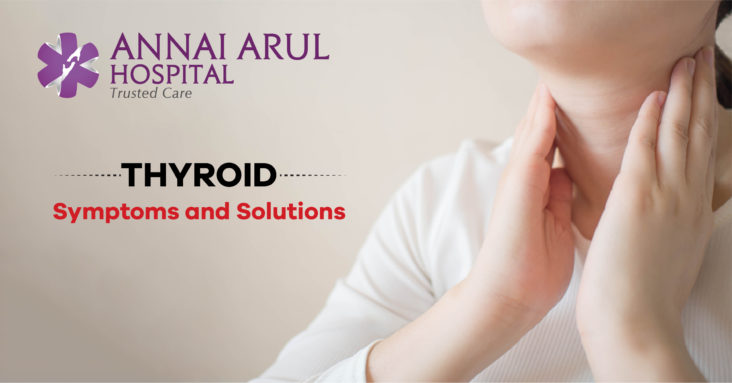
A cautious look in the mirror may enable you to recognize an enlarged thyroid that needs a specialist’s consideration. Tip your head back, take a drink of water, and as you swallow, analyze your neck underneath the Adam’s apple or above the collarbone. Search for lumps or distensions, at that point repeat the procedure a couple of times. See a specialist immediately if you see a lump or protuberance.
Diagnosing Thyroid Disorders
In the event that your specialist speculates a thyroid issue, a blood test can help give an answer. This test estimates the dimension of thyroid stimulating (TSH), a sort of master hormone that regulates the thyroid gland. In the event that TSH is high, it commonly implies that your thyroid capacity is excessively low (hypothyroid). On the other hand if the TSH is low, then it generally means the thyroid is overactive (hyperthyroid.) Your specialist may likewise check levels of other thyroid hormones in your blood. Now and again, imaging studies are utilized and biopsies are taken to assess a thyroid variation from the norm.
Hashimoto’s Disease
The most widely recognized reason for hypothyroidism is Hashimoto’s sickness. This is an immune system issue in which the body attacks the thyroid gland. The outcome is harm to the thyroid, keeping it from creating enough hormones. Hashimoto’s sickness will in general keep running in families.
Different Causes of Hypothyroidism
At times, hypothyroidism results from an issue with the pituitary gland, which is at the base of the brain. This organ produces thyroid-stimulating hormone (TSH), which advises the thyroid to carry out its responsibility. In the event that your pituitary organ does not create enough TSH, levels of thyroid hormones will fall. Different reasons for hypothyroidism incorporate transitory inflammation of the thyroid or medications that influence the function of the thyroid gland.
Graves’ Disease
The most well-known reason for hyperthyroidism is Graves’ disease. This is an immune system issue that attacks the thyroid gland and triggers the release of elevated amounts of thyroid hormones. One of the signs of Graves’ sickness is a noticeable and uncomfortable swelling behind the eyes.
Different Causes of Hyperthyroidism
Hyperthyroidism can likewise result from thyroid nodules. These are lumps that develop inside the thyroid and in some cases start producing thyroid hormones. Large bumps may create a visible goiter. Small lumps can be identified with ultrasound. A thyroid uptake and scan can tell if the lump is producing an excessive amount of thyroid hormone.
Thyroid Disorder Complications
At the point when left untreated, hypothyroidism can raise cholesterol levels and make you bound to have a stroke or heart attack. In extreme cases, low levels of thyroid hormones can trigger loss of consciousness and dangerous drop in body temperature. Untreated hyperthyroidism can cause very serious heart issues and fragile bones.
Treating Hypothyroidism
On the off chance that you are determined to have hypothyroidism, your doctor will in all likelihood prescribe thyroid hormones as a pill. This generally leads to discernible improvements in two or three weeks. Long-term treatment can result in more vitality, lower cholesterol levels, and progressive weight reduction. A great many people with hypothyroidism should take thyroid hormones for the remainder of their lives.
Treating Hyperthyroidism
The most widely recognized alternative in treating grown-ups is radioactive iodine, which destroys the thyroid gland over the period of 6 to 18 weeks. When the organ is destroyed or removed by a medical procedure, most patients must start taking thyroid hormones in the pill form. Another regular treatment for hyperthyroidism is antithyroid medicine, which plans to bring down the level of hormones created by the thyroid. The condition may in the long run go away, yet numerous individuals need to stay taking drugs as long as possible. Different medications might be given to decrease side effects, for example, fast heartbeat and tremors.
Medical procedure for Thyroid Disorders
Removing the thyroid gland can fix hyperthyroidism, yet the strategy is possibly suggested if antithyroid medications do not work, or if there is an enormous goiter. Medical procedure may likewise be prescribed for patients with thyroid nodules. When the thyroid gland is removed, most patients require daily supplements of thyroid hormones to avoid developing hypothyroidism.
Shouldn’t something be said about Thyroid Cancer?
Thyroid cancer is unprecedented and is among the least fatal. The fundamental indication is a lump or swelling in the neck, and just about 5% of thyroid nodules end up being cancerous. At the point when thyroid malignant growth is analyzed, it is regularly treated with medical procedure followed by radioactive iodine treatment or, sometimes, external radiation treatment.