Share on                    

Opening Hours : 24 x 7
  Contact : Emergency: +91 8939 59 9999

All posts by admin

WHAT IS DIABETIC PERIPHERAL NEUROPATHY?

One of the effects of unmanaged diabetes is the damage to peripheral nerves, those  that help you feel pain, heat and cold. This condition mostly affects the feet and legs. In some cases it may affect the hands and arms also. It causes a tickling or odd feeling in the skin and at the same time cause numbness that will lead to injuries that the person may not realize has happened.

 What causes DNP?

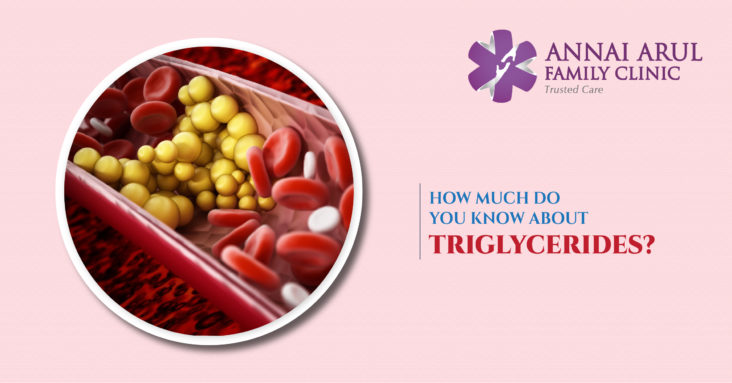
 DPN the short form for Diabetic Peripheral Neuropathy. A person with diabetes will have high levels of glucose and triglycerides (kind of fat) in their blood. Over time, they damage the nerves that send pain signals to the brain as also the tiny blood vessels that supply the nerves with nutrients. The best way to prevent or delay DPN is to control blood sugar and blood pressure.

 Who are at risk?

 Nearly 50% of diabetic patients have some kind of nerve damage. Two out of ten people have DPN especially those with a long history of diabetes. A person who is obese, has prediabetes or metabolic syndrome with high blood pressure, high sugar and high cholesterol along with belly fat is a sure candidate for DPN.

What are the symptoms?

 The symptoms include a tingling or burning sensation in the feet, toes and fingers. It will feel like ‘pins and needles’. In this condition the slightest touch of something like a bedsheet or a towel can hurt. Later the muscles become weak around the ankles and a person may find it hard to balance or painful to walk. Even though there is nerve damage there may not be very serious symptoms.

How to prevent it?

 The best way to prevent DPN or delay its progress is through regular check-ups. You should check every year if you have type 2 diabetes. For type 1 it is best to check every year after puberty or 5 years if you are diagnosed in childhood.

How is it diagnosed?

 Since DPN often starts in the feet and legs, the doctor will look for cuts, sores or circulation issues. You will be checked for balance and your walk. It will be checked whether you feel the temperature changes and delicate touches like vibrations. A thin piece of string or a tuning fork will be used for this purpose.

Blood and Urine Test

This will help the doctor to determine the exact blood sugar and triglyceride levels. The tests will be useful in ruling out other causes of DPN like kidney disease, thyroid problems, low B12 levels, infections or cancer.

 What is the treatment?

Medicines that is used to control depression and seizures will come in handy to to make the pain from DPN more bearable. Some sprays and ointments used to numb the pain will also help. The nerve damage though cannot be reversed.

Read More

WHAT MAKES US BURP?

All fizzy drinks like soda, beer and bubbly drinks are made with a gas called carbon dioxide. The gas adds extra air into the stomach, which then tries to find a way back the same way it entered, through the mouth.

Many people think that this happens with cold drinks and fizzy drinks alone but this happens even with hot drinks. When you sip them they cause you to swallow a lot of air and this results in lot of belching.

Could be ulcers

Stomach ulcers sometimes causes burping and it could be a sign of ulcers. Stomach ulcers are open sores in the lining of the stomach which are quite common. Some sort of infections leads to stomach ulcers and use of some drugs also can cause them.

If a person has stomach ulcer then you may burp and feel full or bloated after consuming fatty foods. You may also have pain in the stomach after you eat, with proper treatment ulcers go away in couple of months time.

 The way you eat

When you eat a lot of food together, you also swallow extra air along with it. Most of the air does not go to the stomach and stays in the oesophagus and will not go out unless you burp. Slow down when you eat and chew your food well. Eat smaller portions and you’ll burp less. Extra body weight puts more pressure on the stomach, so reducing your weight can also help in reducing the burps.

Lactose intolerance

Milk has a natural sugar called lactose in it and many people lack the ability to break down this lactose. If a person has this problem then they may not be able to digest foods that contain dairy products. The lactose in these foods actually ferment in the stomach and this produces extra gas which ultimately makes the person burp a lot.

 Acid reflux

Some people have the problem of stomach acid backing up into the throat.These  problem happens mostly in pregnant women, obese people and those who over eat. Once a person feel a ‘lump’ in the throat, they will swallow more to try to get rid of it. This will make one burp.

Spicy and high acid foods

Food like onions, tomatoes and citrus fruits have high acid content. When you consume such foods, it triggers heartburn. Similarly spicy foods can bring on acid reflux which inturn triggers burps.

 Chewing gum

Some sugar free candy and chewing gum can make a person burp since a lot of air is swallowed while you chew on them. The sugar free candy will make you belch more. The sugar alcohols they contain can’t be quickly processed once they reach the stomach, they linger before breaking down, this creates gas.l This gas comes out as more burps.

Other causes may be stress, hiatal hernia, too much gut bacteria and even some infections. All these can cause you to burp excessively.

Read More

WHAT CAUSES HEART PALPITATIONS?

When the heart beats faster, flutters or seems to skip beats it is called heart palpitations. Usually they are only scary and need not be serious or do not require any treatment.

It is best to know what causes these heart palpitations since it will help in knowing when not to panic and when to seek medical help.

Stress & Anxiety

When you feel very intense emotions then certain hormones are released that in turn speed up the heartbeat. This is how your body gets ready to face a challenge, danger or threat.

Panic attacks are intense bouts of fear that last a few minutes, with symptoms like racing heartbeat, sweating, chills, trouble breathing and chest pain. A panic attack can resemble a heart attack.

Vigorous Exercise

A short run or intense treadmill exercise in the indoors are all good for your heart but it also makes your heart beat faster. The heart actually pumps more blood to power the muscles throughout the workout.

If the heart flutters or pounds, it could be because you are starting the workout after a long gap. It could also be due to arrhythmia and this will require medical consultation before your proceed.

Caffeine Reaction

Caffeine contains stimulants that raise the heart rate, whether it comes from the coffee you drink, from your energy drink, from tea, chocolate or your soft drink. It is not known whether this happens only in people with heart rhythm problems or just in anybody who consumes caffeine.

Nicotine Reaction

There are certain addictive chemicals in cigarettes and all tobacco products which raises the blood pressure and subsequently the heart rate. The best way to save your heart is to quit smoking though palpitations can also be a symptom of nicotine withdrawal, but stops within 3 to 4 weeks.

Hormones

Palpitations are often experienced by pregnant women, those near menopause or women in menopause. This is due to the changes in hormone levels. The raise in heart beat is often temporary and nothing to worry. Women who are anaemic during pregnancy are also prone to get palpitations.

High Fever

When the temperature is above 104 it definitely affects the heart rate and shows signs of palpitation. When there is high fever the body uses energy at a faster rate and so your heart beats faster to compensate this and causes palpitation.

Other causes for palpitation include certain medications, overactive thyroid, low blood sugar, alcohol and drugs.

Read More

Annai Arul Hospital celebrated International Women’s day


Annai Arul Hospital celebrated International Women’s day on 8th March 2019. To show that woman are physically fit to be a warrior; Zumba fitness programme was conducted for the female employees, attenders and patients. As an act of showcasing the mental and physical fitness, arm wrestling competition was conducted for all the women gathered and prizes were given to the winners.

Read More

WANT TO KNOW MORE ABOUT DIABETIC BLISTERS?

Diabetic patients usually experience the sudden eruption of blisters on their skin, these are called diabetic blisters. The blisters look alarming when first spotted but they are painless and normally heal on their own, leaving no scars. Diabetic blisters are twice more likely to be found in men than women.

Where does it appear?

Diabetic blisters more often appear on the legs, feets and toes. They rarely are seen on hands, fingers and arms. Diabetic blisters can range from as large as 6 cm to micro ones. Diabetic blisters always appear in clusters, and the area around the blisters is not usually swollen or reddish.

Types of Treatment

Diabetic ulcers usually last for two to five weeks and heal by themselves without any treatment or intervention. The fluid in the blister is sterile, and to prevent infection one should not puncture the blister by him/herself.

Blisters can be treated with antibiotic cream or ointment and bandaged properly to protect them from further injuries. Topical creams are recommended depending on symptoms. Taking care of oneself and keeping away from sugar levels under check will help in avoiding blisters.

Causes of diabetic blisters

The exact cause for diabetic blisters is not yet found. Wearing shoes that don’t fit, and fungal infection are the main causes. If the blood sugar levels are out of control then one may get diabetic blisters. People who have diabetic neuropathy, nerve damage that reduces sensitivity to pain are more prone to diabetic blisters.

How to prevent diabetic blisters?

It is always important to take care of your skin if you are diabetic. Blisters and lesions may not give any pain and go unnoticed if a person is neuropathic. Here are a few ways to prevent blisters and secondary infections.

Inspect the feet thoroughly every day ideally before bed.

Wear proper fitting shoes and socks to prevent injury.

Wear gloves when using scissors or hand tools etc.

Most importantly strict diabetes control the crucial step in preventing diabetic blisters.

Read More