Share on                    

Opening Hours : 24 x 7
  Contact : Emergency: +91 8939 59 9999

All Posts in Category: Blog

A GUIDE TO HIGH BLOOD PRESSURE

High blood pressure is also known as hypertension and it is today a fairly common occurrence. The older you become, you are more prone to get hypertension. Blood pressure is actually the force of the blood pressing against the walls of the arteries. There is a normal pressure required to pump blood from the heart but when this pressure exceeds the level it can be fatal.

When the pressure is too high the heart works harder, the arteries may get damaged and you can feel certain symptom that makes you unwell and even cause heart disease, stroke or kidney disease.

WHAT ARE THE SYMPTOMS OF HYPERTENSION?

High blood pressure is a sneaky silent killer and does not show much outward symptoms. Which means a person could have it for years and may not know about it. It silently damages the vital organs including heart, lungs, blood vessels, brain and kidney it not found and treated on time.

WHAT IS THE NORMAL RANGE FOR BP?

The normal blood pressure range falls below a reading of 130/80 on the blood pressure machine. Higher results over time can be the sign of hypertension. The top number shows the systolic value and the pressure when the heart beats. The lower number or diastolic value is the measure of pressure at the rest between heartbeats; here the heart is again filling with blood.

THE WARNING SIGN

An elevated blood pressure is a measure which is above the normal level or 3 consecutive reading. Certain lifestyle changes in consultation with the doctor can help get back to normal health.

THE FATAL ZONE

When the systolic pressure is between 130 to 139 and the diastolic pressure is between 80 to 89 then you are in the Stage 1 high blood pressure zone. If the reading is 140 or higher systolic and 90 or greater diastolic then you have Stage 2 hypertension. Similarly if the blood pressure shows a reading of 180 systolic and 120 diastolic then you are in a hypertensive crisis. This can lead to stroke, heart attack, acute kidney damage etc. If you observe such a range take some rest and check again. The symptoms may include severe headache, anxiety and at times nose bleeding. Ultimately you will feel breathless and pass out.

WHO IS AT RISK?

Men upto the age of 45 are more likely to get blood pressure than women. But as you grow older it almost becomes similar for both men and woman and both are at risk. By the age of 65 more women may have hypertension than men. A family history of hypertension means you are more likely to get it and it is also widespread among those with diabetes. Sometimes a health problem like kidney disease can give rise to hypertension.

HOW CAN YOU PREVENT HT?

  • There are many lifestyle changes that can help prevent the onset of hypertension and if you have high blood pressure adapting these measures can save you.
  • Sodium or the salt in our food helps retain water and put more pressure on the heart and cause hypertension, so say less to salt.
  • Stress is another factor which should be dealt with so say no to alcohol, smoking and poor diet to beat stress and stay healthy.
  • Being overweight or obese can put a lot of strain on the heart and cause hypertension. So start exercising.
  • Medicines should be taken in consultation with doctors otherwise they can lead to hypertension.
  • The DASH Diet – Dietary Approach to Stop Hypertension – suggests taking more of fruits, vegetables, whole grain foods, low fat dairy and meat. Stay away from red meat, saturated fats and sweets.
  • Get some good exercise daily to bring down the body weight and prevent hypertension.
Read More

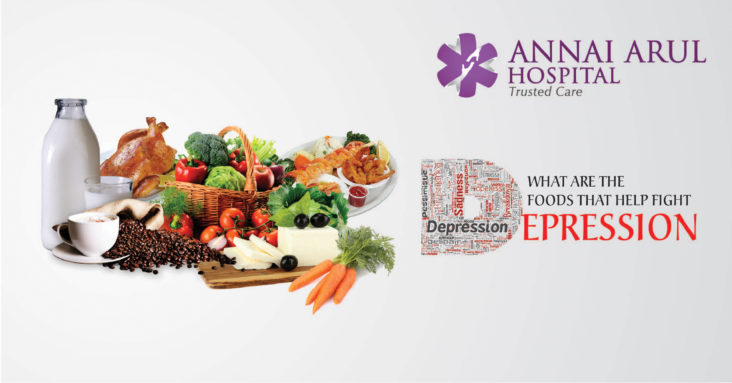
WHAT ARE THE FOODS THAT HELP FIGHT DEPRESSION?

Depression is today a wide spread problem and it is hardly visible to the outside world while the sufferer has to bear with it for days, months or years together. This takes a toll on the quality of life and holds back the depressed person from doing his bit in this life. There has been so much of research into the cause and treatment for depression and may have come to the conclusion that the answer may lie in therapy and food. Yes food, people would have suggested socialising, developing hobbies, getting drunk etc. Jokes apart they never told you that happiness lies not in money and merrymaking but in good depression-fighting food.

Certain foods have specific properties that spark and stimulate the particular glands and hormones that ignite happiness. Here are a list of few foods that can the trick for you.

Turkey

The Thanksgiving delicacy or turkey has the protein building block tryptophan, which our body uses to produce serotonin. This is a brain chemical that plays a vital role in alleviating depression. Some anti-depressant drugs work by controlling the way the brain uses serotonin. That is why you get similar mood boosting effect from chicken and soybeans.

Seafood

Seafood is rich in selenium, which helps in protecting your body from damage causing free radicals. Those who did not have enough of selenium in their body especially youngsters are prone to depression. Some nuts which we snack on also have selenium and other foods are brown rice, lean beef, sunflower seeds and Brazil nuts etc.

Carrots

Carrots are full of beta-carotene, which is available also from pumpkin, spinach, sweet potatoes and cantaloupe. These are nutrient rich vegetables that are said to lower depression. There is no solid evidence that they can reduce depression but eating them will give a healthy body that leads to a healthy mind.

Coffee

The caffeine in coffee is one ingredient that helps you feel better and motivated when you drink a cup or two. But sometimes if you have postpartum depression or panic disorder the cup of coffee can make you more upset and feel worse. But through our daily life we all know what wonders a cup of coffee can do to perk us up.

Green Vegetables

The green vegetables are packed with folate, this is essential for brain cells to work efficiently and for you to feel good. In countries like USA food manufacturers add this to their preparations like pasta, and rice. Folate can also be obtained from foods like lentils, beans and asparagus.

Milk

When you have very low amounts of certain nutrients in the body like Vitamin D then then there is possibility of getting afflicted by depression. Studies have found that people who took vitamin D health supplements were less depressed than those who never had them. If you are not a great fan of Milk then you can enrich you r diet with cereals and juices or canned fish.

According to several studies, People who are depressed are more likely to become obese. Researches believe that may be the result of changes in your immune system and hormones that come with depression. Fortunately a nutritious diet including the foods above will help you get to and stay at a healthy.

Read More

ARE YOU AWARE OF THE BENEFITS OF WALKING?

It is said that we should walk at least 5.5 miles per week. Walking at a slow pace of 2 miles per hour is enough to lower the risk of heart attacks, strokes and heart failure by 31%. Those who walk further and faster benefit more. This is truly a motivator for those who are avid walkers.

Walk for 30 minutes daily

A very little effort on your part like walking for 30 minutes continuously can do wonders to help the blood move through the body the way it should. Walk any time you feel comfortable but every time try to push yourself a little bit. This can g et your heart rate up and can strengthen it while lowering the blood pressure.

Count your steps

Walking 10,000 steps is equal to walking for 5 miles and if you can’t do it everyday, any walking will help your health. You can use a pedometer which is readily available in the market to count your steps and the step it up little by little.

Brisk walking

It is best if you do at least 150 minutes of exercise every week. This will raise the heart rate to the optimal levels. Walking can be counted towards the exercise you need. For walking you don’t need any special equipments, except a pair of shoes. Women think that the daily chores in the kitchen takes care of exercise but a stroll to your fridge and back is not the right exercise. You need to do some brisk walking that will set your heart into rhythm and help you lead a healthy life.

As good as running

Many experts earlier believed that pushing yourself and your heart rate was the best way to strengthen the heart. Now, it is recognised that brisk walking is just as good as running. Brisk walking can cut down the risk of blood pressure, high cholesterol and diabetes.

Take your dog for walk

Two people don’t burn calories the same way so it is not sure how long or how often you should walk. But one exercise that is really good for your health is walking your dog. When your dog looks at you with those pleading eyes, just go ahead and oblige with a long walk in the park.

Read More

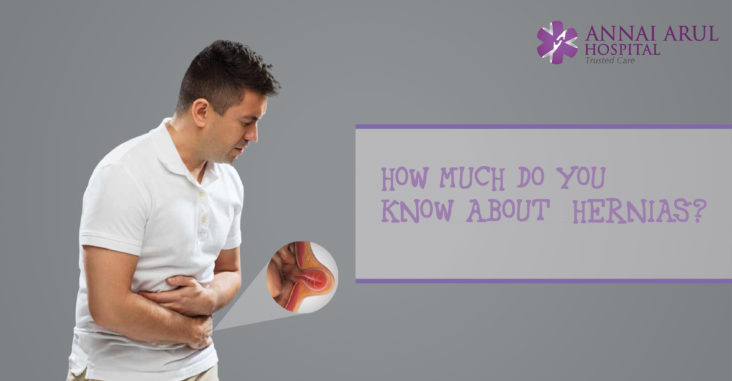
HOW MUCH DO YOU KNOW ABOUT HERNIAS?

Whatever you physique, your belly will have walls of muscle that support you, help you move about and also hold things in place inside of you. Hernia is a condition when this normal arrangement is disturbed and a part of the inside body squeezes through a weak spot or opening in the muscle wall. It is like a tyre burst when the inner tube bulges out through a hole in a worn out tyre. There are many types of hernias but almost all of them occur between the chest and the hip.

Symptoms of Hernia

Very rarely hernias hurt and you just see a bulge or lump near the belly or groin. The bulge may even reveal only when you laugh, cough or exert yourself while lifting a heavy object. Many people tend to push the hernia back in place. But the bulge may get bigger with time and you will constantly feel fuller and some sort of dull ache around the bulge. There may be a sharp pain when you lift something.

Types of Hernia

There are several types of hernia based on the part of the body they occur. The main types of hernia are Inguinal hernia when a loop of intestine pushes into the groin, Femoral hernia which is similar to Inguinal hernia but in a different part of the groin, Ventral hernia which occurs between the belly button and chest, Incisional hernia that occurs through a surgical wound and Hiatal hernia where a part of the stomach juts out through the diaphragm into the chest cavity.

Hernia in children

Children usually get inguinal hernia or umbilical hernias. Inguinal hernia is common among babies born before date and in boys whose testicles have not dropped into the scrotum. Umbilical hernia as the name suggests occurs near the belly button. The umbilical hernia does not hurt much and looks like an inside out belly button. By the age of 2 years the hernia goes back into place.

How to prevent hernia?

You can prevent hernia from taking the quality out of life by following certain simple steps in daily life.

At the slightest possibility or symptom consult your doctor

Eat lots of fruits, vegetable s and whole grain

Maintain healthy weight with proper diet and exercise

Be careful when lifting weights

When to consult a doctor?

A hernia usually begins as a small bulge but over time it can get bigger. In some cases it can even become a threat to life. Whenever to suspect a lump, a bulge or experience pain in and around the belly it is best to consult your doctor.

Read More

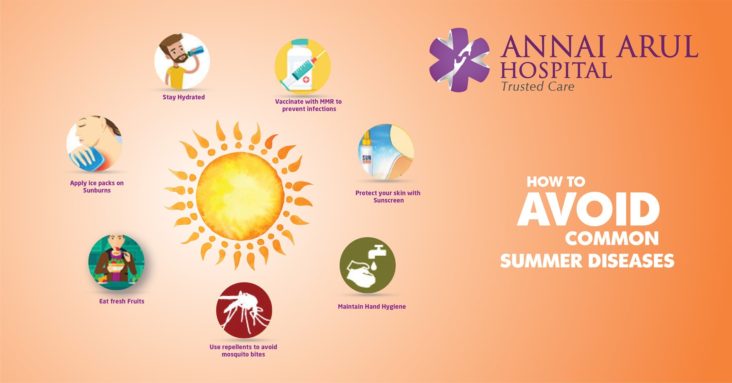
HOW TO AVOID COMMON SUMMER DISEASES?

The period from March to June is the summer season and it is the warmest of all seasons in a year. Summer brings with it a dry, warm and hot weather in India, when schools and educational institutions take a break from the harsh weather. It is also that period of the year when lot of health issues crop up for children as well as adults.

The scorching heat and the driest of dry weather brings with it a host of diseases if proper precaution is not taken.

Here are some of the more common diseases that tend to occur during the summer season:

Heat Stroke: The rise in body temperature due to prolonged exposure to the summer heat can lead to heat stroke. It is an abnormal rise in body temperature or hyperthermia along with physical and behavioural symptoms like headaches, nausea, dizziness, muscle cramps, faster heart rates and fever.

Food Poisoning: During the season a surge in harmful bacteria and parasites occur causing food-borne disease. The warm and humid weather provide the right environment for bacterial growth leading to food contamination.

Sore Eyes: Conjunctivitis is a disease that is also known as sore eyes which is typical of the summer months. The presence of viral or bacterial infection and allergies lead to the inflammation of the conjunctiva and causes much irritability, redness and pain in the eyes. These are contagious and can affect anyone who comes in contact with an infected person and it lasts for 4-7 days at a time.

Dehydration: This is the most common of summer health problems. It occurs when there is no adequate intake of fluids or water to replace the loss of moisture and salts due to sweating. Replenishing the water content in the body from time to time will help it function properly and prevent any health issues due to dehydration

Headache: Due to dehydration and heat the summer season causes typical headache problems to many people.

Mumps:  This is a contagious and threatening viral disease that tends to spread during summer. It can be transmitted when an infected person sneezes or coughs. It affects the parotid gland in front of the ears, causing severe swelling, pain and fever.

Measles & Chicken pox: Viral infection causes measles and chicken pox especially in young children during summer. The symptoms include skin rashes, high fever, cough and watery eyes.

Sun Burn: The overexposure or going out without proper skin protection can cause exposure to harmful ultra-violet radiation from the sun that leads to painful skin rashes known as sun burn.

Water-Borne Diseases: Summer is a season for water contamination that causes widespread diseases like diarrhoea, dysentery, cholera and typhoid.

Mosquito Infections: The mosquitoes are active and breed during summer giving rise to mosquito bites that spread and cause a great deal of infections in humans.

How to prevent Summer diseases?

The rise in body temperature will lead to dehydration, so replace the water in the body by drinking more fluids and keep the body cooler. Increase the intake of fresh juices and plain water and avoid beverages, alcohol and sugar.

You can also eat small, light and frequent meals instead of larger ones. Include fresh fruits and vegetables with more water content in them like peaches, melons, pumpkin, cucumber and onions as they are also easily digestible. Drink coconut water, lemon juice and fresh fruit juices to fight the summer weather.

Maintain general hygiene, prevent mosquito bites and get proper vaccination against diseases like measles, mumps and rubella. Protect your skin with sunscreen and use loose fitting and lighter clothes all the time as well as protect your eyes with coolers when you go out. Take bath twice daily and wash your hands, face and eyes with fresh water when you return home.

Read More