
Share on                    

Opening Hours : 24 x 7
  Contact : Emergency: +91 8939 59 9999

All Posts in Category: Blog

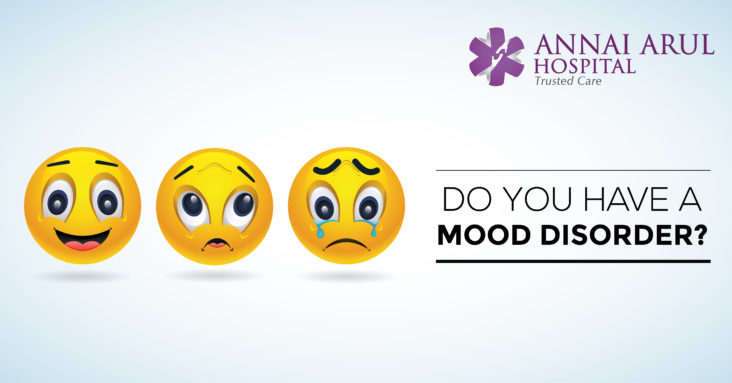
DO YOU HAVE A MOOD DISORDER?

There are many times when a person can feel that their emotions and moods seem to be out of their control. This feeling can remain for a short while or it can continue over a long period of time. If the feeling is for a long period of time then it is called a mood disorder. There are different kinds of mood disorders, the truth being that all these conditions can be treated.

What is bipolar disorder?

The bipolar disorder is found to be a major cause for extreme mood swings. The mood swings include a stage from depression to emotional highs called mania. When it is high, there is more energy and the thoughts may come quickly and the person gets unusually talkative. The person having a high stage may get lot of things done, but the behaviour will be unpredictable and unhealthy. The mood swings happen sometimes only a couple of time every year or if may be as often as several times a week.

What are the treatments?

The affected person has to be referred to a psychiatrist. The doctor will prescribe appropriate medicines, along with a psychologist, who will take care of talk therapy to help deal with problems in daily life especially at work and at home. The medications will include antidepressants, antipsychotics, anti anxiety medications, and mood stabilizers to treat the main disease. I severe cases, electroconvulsive therapy may be required which involves a small dose of electric current being passed through the brain, under controlled conditions under supervision of doctors and trained personnel.

What is major depressive disorder?

This is also called the clinical depression, or commonly as depression. This is actually long periods of sadness that keeps reoccurring. When affected by this condition the person will have periods of extreme sadness that keeps coming back. The person may get angry or frustrated easily, lose interest in things they used to enjoy and even small chores will be overwhelming. There will be a sense of emptiness, hopelessness and tiredness. The patient will also have sleep problems; they may either sleep too much or too little. If this condition gets severe then the patient will have even suicidal ideas and may attempt to end his/her life.

What are the treatments?

The first step in treating major depressive disorder after consultation with a psychiatrist will be to have a session with a trained mental health professional or a therapist. This is called the psychotherapy or talk therapy. In this session the patient has a one-to-one talk with the therapist or may sit for a group session with other people having the same condition. The psychiatrist will prescribe certain medications as a follow up to help balance the mood.

What are the other related conditions?

The other related conditions include Persistent Depressive Disorder (PDD) where symptoms last for more than 2 years, Seasonal Affective Disorder (SAD) which happens due to change of seasons, Permanent Dysphoric Disorder (PDD) and Depressive Disorder due to various other medical conditions like thyroid disease and brain infection.

Read More

YOUR GUIDE TO BLADDER CANCER

When abnormal growth of cells occur in the body then it is usually cancer. Bladder cancer is similar and it begins in the inner linings of the bladder, the organ that stores urine after it passes the kidneys. Bladder cancer can be detected early and when t related are highly successful to prevent the disease from spreading beyond the bladder. Though there is a tendency for bladder cancer to return, so regular check-ups are very much necessary.

WHAT IS THE WARNING?

Blood in the urine is the most prominent sign of bladder cancer. It is either visible to the patient or it can be picked up during urine test. The urine usually looks darker than usual, brownish or rarely bright red. It should be noted that blood inthe urine is not caused by cancer alone but there may be several other reasons and they should be eliminated before concluding that it is cancer.

BLADDER CHANGES

Bladder changes can be due to several other reasons but bladder cancer can also cause changes in bladder habits. This may include:

Needing to go, with little or no output

Feeling to urinate more often

Painful urination

Difficulty in urinating

Sometimes these symptoms may be due to urinary tract infection or bladder stones and it has to be checked properly.

WHAT ARE THE RISKS?

SMOKING

Even today the exact causes of bladder cancer has not been pinpointed, but smoking is a leading risk factor. Smokers are four times more likely to get bladder cancer than people who do not smoke. Chemicals in the tobacco smoke are carried by the blood to the kidneys and into the urine. These harmful chemicals accumulate in the bladder, where they damage the cells and give rise to cancer.

EXPOSURE TO CHEMICALS

Workers in the metal industry, mechanics, hairdressers and those working white dyes in the rubber, textiles and leather industry are more prone to get bladder cancer. They constantly have contact with harmful chemicals and this leads to their potentially developing bladder cancer.

OTHERRISKFACTORS
Bladder cancer can affect anyone but here are few prominent risk factors:

Men are three times more likely to get bladder cancer than women

Nine out of 10 cases occur over the age of 55

Europeans and whites are at greater risk

Family history of bladder cancer

Birth defects of the bladder

Chronic bladder irritation


WHAT IS THE TREATMENT?

Usually surgery is the most common treatment. Transurethral surgery is mostly done for early-stage cancers. If the cancer has invaded more of the bladder, then a partial cystectomy or removal of portion of the bladder is done. Sometime a radical cystectomy or removal of entire bladder is required. For men the prostate and urethra may also be removed whereas for women, the uterus, fallopian tubes, ovaries and part of the vagina also will have to be removed.

Chemotherapy, immunotherapy and radiation are other modes of possible treatment.


Read More

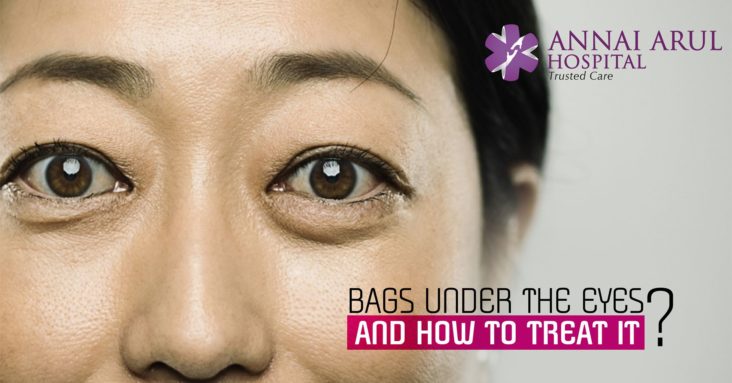
BAGS UNDER THE EYES AND HOW TO TREAT IT

Usually as you age you start noticing these mild swelling or puffiness under the eyes. Because they appear to be bags they are also called bags under the eyes. With aging the tissues surrounding the eyes and those supporting the eyelids tend to weaken. The fat helped support the eyes now move to the lower eyelids and cause them to look puffed up and baggy.

How will you prevent bags under the eyes?

There are several ways in which you can take action to prevent the appearance of bags under the eyes through small lifestyle changes.

Reduce Salt Intake

Usually water in your body tends to move from those parts which are low in sodium to those that have high sodium content. The area around the eyes is a prime example of this. So when you consume a food that is loaded with salt this can lead to a condition wherein puffiness of the eyes results in the morning.

Take care of allergies

When you have allergies like colds and sinus infection then water retention and puffy eyes are the result. The good news is that when you take those OTC medicines for your allergies, cold or sinus then they not only help in stopping your runny nose but prevent puffy eyes too.

Correct the sleep position

You may be a side or a stomach sleeper. When you sleep in a particular position then gravity causes fluid collection under your eyes and cause puffy eyes. The best position is to prevent the baggy eyes is to sleep on your back and add an extra pillow under your head.

Clean your make-up before bed

Try not to go to bed with your make-up on, since it can make the eyes water and lead to the morning-after puffiness. Wash your face thoroughly, especially the eyes with soap and water or use a remover every night before you go to bed.

Control your alcohol habit

When you drink alcohol it actually pulls the water out of your skin. Once the delicate area around the eyes get dry and weakened then it can sink into a pouch. If you did have excess to drink then drink some water before you go to bed and use a moisturizer around the eyes to prevent dryness and pouch formation.

Protect eyes from UV rays

You are very particular about protecting your body from harmful UV rays with sunscreen and body lotions but what about your eyes. Too much of exposure to sun can affect the skin on your face especially around your eyes and they sag or wrinkle. Use good sunglasses, sunscreen and some sort of hat to prevent eye puffiness.

Stop Smoking

Smoking can dry and weaken the skin on the face, so quitting smoking can prevent your face getting wrinkled and your eyes from getting droopy.

Cool down your eyes

Chilled spoons, cucumber slices or tea bags can be placed on your eyes to cool it down especially in summer heat. A cold compress can also help remove the puffiness.

Read More

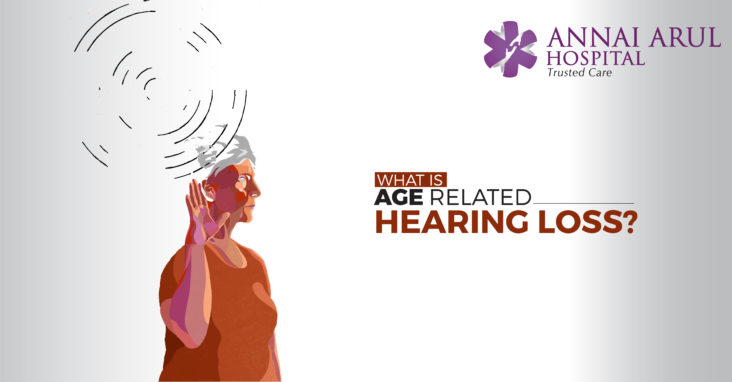
WHAT IS AGE RELATED HEARING LOSS?

Age-related hearing loss (presbycusis) is the loss of hearing that gradually progresses as we age. It affects the older and elderly population across the world. Age related hearing loss more often occurs in both ears, affecting them equally. Since it happens gradually, age-related hearing loss may not be easily detected till some major hearing problem appears.

The symptoms make it difficult to understand conversations, respond to warnings, hear phone calls, answer doorbells and hear smoke alarms. It lessens the quality of life and makes it hard to enjoy talking to family and friends, leading to feelings of isolation.

The causes of age-related hearing loss may be changes in the inner ear as we age, or changes in the middle ear, complex changes along the nerve pathways from the ear to the brain and also certain medical conditions like diabetes which play a major role.

Why do we lose hearing as we age?

When there is a long term exposure to sounds, certain amount of wear and tear happens to the sensory cells in the ears and hence causes hearing loss. The sounds actually damage the sensory hair cells in the ears, since they do not grow back; you tend to gradually lose your hearing ability.

Medical conditions like high blood pressure, diabetes also contribute to hearing loss. Certain medications taken to control the medical conditions may contain toxins that are harmful to the sensory organs in the ear and thus causes hearing loss.  Some birth abnormalities of the outer ear or middle ear such as reduced function of tympanic membrane or the eardrum can cause problems in hearing. Many older people have a combination of both age-related and noise-induced hearing loss.

How to prevent age-related hearing loss?

You can start by protecting yourself from noise-induced hearing loss by protecting your ears from sounds that are too loud and last too long. Avoid listening to loud music, sound of firearms, snowmobiles, lawn mowers etc. You can also protect your precious ears with ear plugs or ear muffs. These are some of the simple steps that can prevent the loss of hearing due to age related issues.

What are the treatments available?

There are many treatments for age-related hearing loss but everything depends on the severity of the hearing loss and the treatments will work better for one and not for another. There are number of devices and aids that help your hearing loss and the most common ones are external hearing aids, cochlear implants, bone anchored hearing system, assistive hearing devices or lip reading/speech reading techniques.

Read More

WHY DO YOU NEED SLEEP HYGIENE?

Sleeping well on a regular basis is very important and sleep hygiene goes a long way in doing this. Getting good sleep is always beneficial for a healthy body and a healthy mind. Say for example one of the best sleep hygiene practice is to spend the right amount of time sleeping taking care that it is not too little or too long. There are other similar habits which are counted as sleep hygiene and which are beneficial for our health and well being.

Here are few things you can do to ensure that you get the benefits of good sleep hygiene.

Follow body’s natural rhythms

It is quite easy to do this if you are otherwise healthy. Just get up at the same time every day and soon your body will adjust to the timing, where it will feel tired the same time every night and you will open your eyes to a fresh day every morning at the same time.  The tip is that never attempt to lie in bed on weekends as most of us tend to do, this will mostly upset the rhythm you have set. Avoid daytime naps.

Pull the screens

Always remember to prepare for bed which is not so difficult as many thing. The first step would be to pull your screens into place few hours before you go to sleep. This will create an increased stimulation for sleep. When you cut out the outside light and visual interference your brain and body will start to unwind.

Prepare your brain

Though ‘preparing the brain’ may look like a impossible task the truth is we have the power to control our thoughts and shut them off when we need. Disconnect your brain from mundane thoughts and feel peaceful, it means unplugging your brain for bed.

Make a nightly ritual

Here ritual is actually starting a daily routine. We all have a childhood bedtime routine that usually our parents encourage us to develop but after childhood we tend to stop those habits. Let take a bedtime routine like brushing your teeth before going to bed or having a warm bath or drinking a glass of milk all these can help an adult too.

Ensure a cool and dark room

A dark room is important to induce sleep since a well lit room will interfere with the circadian rhythms. If the room is cool then it will help your brain by sending message that now your body can rest. This is very important for workers coming back after a night shift and sleep during day time. Block out the daylight and have a cool sleep.

Try avoiding drugs

It is found that habits like cigarette smoking before bedtime, alcohol or sleeping pills will affect a good sleep routine. All these will help you fall asleep but will interfere with your sleep patterns and give you headaches in the morning.

Keep away your coffee

Caffeinated drinks like coffee, tea, cola and chocolate at bedtime is risky, it can spoil your sleep. Instead, go for a warm cup of milk since milk has sleep inducing amino acids.

Read More