Share on                    

Opening Hours : 24 x 7
  Contact : Emergency: +91 8939 59 9999

All Posts in Category: Blog

Get To Know About Phobias

A phobia refers to certain kind of anxiety symptoms which is triggered by certain objects or situations. A specific phobia or simple phobia is a lasting and very unreasonable fear caused by the presence or just by thought of a specific object/situation. The object or situation in reality poses very little danger.

Because of the distress associated with a phobia the person feels a need to avoid the object or the situation. This in turn affects the person ability to function normally in daily life. Adults with specific phobia very soon realize that their fear is not reasonable, yet they are unable to overcome the fear.

Kinds of phobias

There are different kinds of phobias based on the specific object or situation that causes it.

Animal phobias: Fear of dogs, snakes, insects or mice is the example of common specific phobia associated with animals.

Situational phobias: This involves specific situation like fear of flying, riding a car, driving, crosing a bridge, being in closed spaces, using an elevator etc.

Environmental phobias: Many people have fear of natural forces like fear of storms, high sea waves, high mountains or just water bodies.

Injection phobias: A very common but specific phobia is the fear of injection among children as well as adults. People may also have phobia about seeing blood, about surgery, blood tests and injections.

Some other phobias: The fear of falling down, fear of loud sounds and visual phobias like seeing people in masks or fear of clowns in a circus.

What are the symptoms of specific phobias?

General symptoms of any specific phobia may include:

  • Excessive or irrational fear about a object/life situation
  • Continuously avoiding the object or situation or sometimes enduring it with distress
  • Physical symptoms of a panic attack include pounding heart, nausea, diarrhoea, sweating, trembling, shaking, numbness or tingling in the extremities, breathing problems, dizziness  and at time a feeling of chocking.
  • An anticipatory anxiety, which means a person getting phobia even before they see the object or experience the situation. For example a person with phobia for dogs will feel nervous about going for a morning walk.

When do phobias first appear?

Phobias usually first appear or a person will realize about is during adolescence. But it can occur anytime irrespective of age. Phobias are more common in women than in men. Only 20% of phobias will go away, like childhood phobias but the remaining will need proper treatment.

What causes phobias?

The exact reason for the onset of a phobia is not known but mostly phobias occur due to a traumatic experience or learned reaction to a object or situation. For example a frightening experience with an animal, like a dog bite, can develop into specific phobia for dogs. Witnessing a traumatic event in which others experience harm or fear can also cause phobias.

What are the treatments?

Specific phobias are treated using certain individual methods or a combination of them.

  • Cognitive behavioural theory: Treatment involves exposure and response prevention therapy, in which patients gradually are expose to what frightens them until the fear begins to fade.
  • Certain medications and relaxing techniques like breathing exercises are also found to be very effective.
Read More

How To Help A Person Having A Panic Attack?

A person suddenly stops in their tracks, shows sign of tightness in their chest, feel breathless and have a deep sense of fear and dread. The whole incident will look like a life-threatening emergency, and watching it itself will be terrifying, while you may not know how to respond to it. You are here witnessing a typical panic attack.

Panic attack vs anxiety attack

Even before you learn how to tackle a panic attack you should know the slight difference between a panic attack and an anxiety attack. Quite often people use it interchangably, but in reality they differ.

The marked difference between a panic attack and an anxiety attack is that one happens without a stimulus whereas the other needs a stimulus. A panic attack is sudden and comes out of nowhere, there is no stimulus to start it. Whereas an anxiety attack is produced when there is something that begins it -like the fear of snakes or spiders, of heights or darkness, etc. Though we should note that the physical symptoms for both panic and anxiety attacks are similar and cannot be easily gauged.

Symptoms of a panic attack

Here are some clear-cut symptoms for you to identify a panic attack:

  • Racing heart
  • Ringing in the ears
  • Feeling faint or dizzy
  • Tingling or numbness in hands and fingers
  • Feeling sweaty or excessively cold
  • Suddenly feeling weak in the body
  • Feeling nauseated
  • Feeling out of control
  • Chest constriction and pain
  • Difficulty in catching the breath
  • Feeling a sense of doom and even death

What happens in a panic attack?

If you need to be of any help to the person suffering a panic attack then it is essential to know what happens in a panic attack. A panic attack usually lasts about 20 minutes. The symptoms peak within 10 minutes of the start of an attack and they begin to subside over the next 10 minutes. Panic attacks can be a frightening sight, emotionally draining, and physically demanding. The only silver lining in the situation is that they are temporary and tend to disappear within 20 minutes.

How to help?

If you are present during a panic attack, you can do much to help ease the loved one’s distress:

  • Don’t try to engage the person with soothing banter, remain quite
  • Grab a cold towel and press it gently to the person’s forehead
  • >Hold the person’s hand or put your hands around the shoulder for reassurance
  • Try to reassure them that you will be with them till the attack is over
  • If possible offer a glass of water
  • You can stay calm in the circumstance and let your loved one see it
  • Be with the victim of a panic attack at least for 20 minutes

Remember CAPS

There is an easy way to remember the suggestion given above to help a panic attack victim. It is by memorising the acronym – CAPS, which means Calm, Assurance, Presence and Silence.


Read More

What Is Autism Spectrum Disorder?

Autism spectrum disorder (ASD) includes several conditions that earlier was considered different from each other and now encompasses autism, pervasive developmental disorder, and Asperger’s syndrome. The causes for these conditions though are not really clear.

ASD is a neurological and developmental disorder that begins early in childhood and lasts throughout the life of a person. It mainly affects how a person interacts with others, communicates and learns things.

What are the symptoms?

ASD is observed in children within the first year. Though a small number of children seem to develop normally in the first year, and then go through a period of regression between 18-24 months when they develop signs of autism or ASD.

The unique pattern of behaviour include:

Low functioning to high functioning behaviour

Difficulty in learning and low intelligence

Some others have normal to high intelligence

But have difficulty in communication

Difficulty in applying knowledge to everyday life and social situations

Specific symptoms

Fails to respond to his or her name or appears not to hear you

Resists cuddling or affection and prefers to be alone

Poor eye contact and facial expression

Delayed speech or gradual loss of speaking ability

Inability to start a conversation and speaks only to ask for something

Speaks with an abnormal tone or rhythm

Repeats our words and phrases verbatim but doesn’t understand

Doesn’t seem to understand simple questions

Doen’t express feelings or emotions

Approaches a social interaction either passively, aggressively or in a disruptive manner

Difficulty in recognising non-verbal cues, such as recognizing other person’s facial expression

Because of the individually different symptoms, the severity of the condition can not be easily diagnosed.

What causes ASD?

ASD has no single known cause, given the complex nature of the disorder and the fact that symptoms vary from person to person. There are many causes both genetic and environmental, that play a vital role.

Genetic factors: In some children, autism spectrum disorder can be associated with a genetic disorder. In other genetic changes increases the risk of the disorder. The genes impair brain development or the way the brain cells communicate, and this determines the severity of the symptoms.

Environmental factors: Factors such as viral infections, medications or complications during pregnancy or environmental pollution can play a significant role in triggering brain cell mutation that causes ASD.

Prevention of ASD

Actually there is no way yet to prevent ASD, but there are treatment options for the disorder. Early diagnosis and intervention can be most helpful to improve the behaviour, communication and social skills of the child. Though it is challenging to outgrow the condition, children will learn to function more acceptably.

Read More

What is Delayed PhaseE Sleep Syndrome?

People who stay-up late in the night may be described as night owls but those with delayed phase sleep syndrome do not stay late wilfully and their case is quite different.

Some people show a tendency to fall asleep in a delayed manner at least by several hours compared to the normal sleep time. That is why if the sleep onset between 1 a.m to 3 a.m then the person may be suffering from delayed sleep phase syndrome. In rare and extreme cases a person may only fall asleep closer to the sunrise.

The delayed sleep phase syndrome subsequently affects the waking up time too, with the person waking up at least several hours later than a normal wake-up time.

The Symptoms

There are two main symptoms for the condition they are insomnia and sleepiness. Though contradictory in nature both symptoms occur in one person and this is due to sleep timing.

Late sleepers may experience insomnia if they attempt to go to bed earlier than their natural desire for sleep onset. They will lie in the bed awake, tossing and turning and this will lead to anxiety, frustration, anger etc. which makes insomnia worse. Similarly the same person may find it difficult to wake up in the morning, this leads to morning sleepiness and the sleepiness decreases by mid-day. Again as evening rolls on the night owls will feel more awake than others and the cycle will be repeated.

Unfortunately these night owls usually do not get to sleep and wake-up as they like the result is insomnia and sleepiness. The pressure from the society including parents, spouses and colleagues will be very disruptive finally affecting the educational or professional performance.

Symptoms associated with sleep deprivation:

  • Morning sleepiness
  • Fatigue
  • Lack of concentration
  • Lack of memory
  • Mood changes
  • Errors and accidents
  • Body pain and illness
  • Hallucinations & paranoia

What causes the condition?

Delayed phase sleep syndrome may be mainly attributed to a genetic predisposition towards developing the condition. Much research is being done to throw more light on the condition. Beyond genetic reasons environment factors like light affecting the circadian rhythm may also be taken into consideration. The presence of more light may be causing the problem but the fact is that the same light can help in treating the condition too.

Treatment

There are many effective ways to keep sleep timing under control and normal but everything requires a little extra effort on the part of the person suffering the condition. The following are some interventions to improve the condition:

Consistency: Sleeping and waking up at the same time even during weekends.

Catch the sunlight: Wake-up in the morning and step out in the sunlight, do anything including walking, reading a newspaper etc. with the sunlight on you.

Cut light at night: Avoid more light especially screen light at night just preceding bedtime, as it may delay sleep onset.

Cognitive Behaviour Therapy for Insomnia (CBTI): This is a programme where sleep consolidation, stimulus control, mindfulness and relaxation techniques are integrated to treat insomnia.

Melatonin: Melatonin is the hormone produced by the pineal gland in the brain and helps control circadian rhythm. A melatonin therapy can also help to fall asleep earlier.

Read More

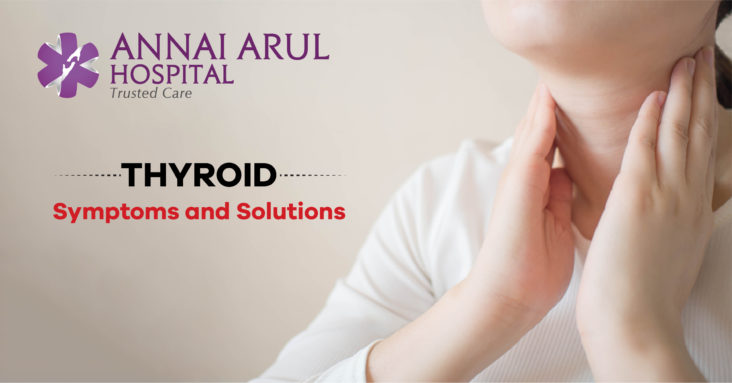
Thyroid Symptoms and Solutions

At the point when Your Thyroid Goes Wrong

Does weakness drag you down for a long time? Do you have mind haze, weight increase, chills, or male pattern baldness? Or on the other hand is the contrary valid for you: Are you frequently revved up, sweat-soaked, or anxious? Your thyroid organ could be blamed. This extraordinary controller of body and mind in some cases goes haywire, especially in ladies. Getting the correct treatment is basic to feel your best and keep away from very serious medical issues.

What Is the Thyroid Gland?                                               

The thyroid is a butterfly-shaped  organ in the front of the neck. It produces hormones that control the speed of your digestion – the framework that enables the body to utilize vitality. Thyroid issue can back off or rev up digestion by disturbing the production of thyroid hormones. At the point when hormone levels become excessively low or excessively high, you may encounter a wide range of side effects.

Symptom: Weight Gain or Loss

An unexplained change in weight is a standout amongst the most well-known indications of a thyroid issue. Weight increase may signal low levels of thyroid hormones, a condition called hypothyroidism. On the other hand, if the thyroid creates a larger number of hormones than the body needs, you may get thinner suddenly. This is known as hyperthyroidism. Hypothyroidism is unquestionably increasingly common.

Manifestation: Swelling in the Neck

A swelling or growth in the neck is an unmistakable intimation that something might not be right with the thyroid. A goiter may happen with either hypothyroidism or hyperthyroidism. Now and again swelling in the neck can result from thyroid disease or nodes, lumps that develop inside the thyroid. It can likewise be because of a cause irrelevant to the thyroid.

Indication: Changes in Heart Rate

Thyroid hormones influence almost every organ in the body and can impact how rapidly the heart pulsates. Individuals with hypothyroidism may see their pulse is slower than expected. Hyperthyroidism may make the heart accelerate. It can likewise trigger increased blood pressure and the impression of a beating heart, or different sorts of heart palpitations.

Indication: Changes in Energy or Mood

Thyroid issue can noticeably affect your vitality level and state of mind. Hypothyroidism will in general make individuals feel worn out, slow, and discouraged. Hyperthyroidism can cause nervousness, issues dozing, fretfulness, and peevishness.

 Side effect: Hair Loss

Male pattern baldness is another sign that thyroid hormones might be out of balance. Both hypothyroidism and hyperthyroidism can make hair drop out. Much of the time, the hair will develop back once the thyroid issue is dealt with.

Manifestation: Feeling Too Cold or Hot

Thyroid issue can upset the capacity to direct body temperature. Individuals with hypothyroidism may feel cold more frequently than expected. Hyperthyroidism will in general have the contrary impact, making unreasonable sweating and heat aversion.

Different Symptoms of Hypothyroidism

Hypothyroidism can cause numerous different indications, including:

  • Dry skin and fragile nails
  • Deadness or shivering in the hands
  • Constipation
  • Irregular menstrual periods

Different Symptoms of Hyperthyroidism

Hyperthyroidism can likewise cause extra side effects, for example,

  • Muscle weakness or trembling hands
  • Vision issues
  • Looseness of the bowels
  • Unpredictable menstrual periods

Thyroid Disorder or Menopause?

Since thyroid issue can cause changes in menstrual cycle and temperament, the side effects are now and again confused with menopause. In the event that a thyroid issue is suspected, a basic blood test can decide if the true offender is menopause or a thyroid issue – or a blend of the two.

Who Should Be Tested?

In the event that you think you have side effects of a thyroid issue, inquire as to whether you should be tested. Individuals with manifestations or risk factors may need tests all the more regularly. Hypothyroidism all the more habitually influences ladies over age 60. Hyperthyroidism is additionally progressively regular in ladies. A family ancestry raises your danger of either issue.

Thyroid Neck Check

A cautious look in the mirror may enable you to recognize an enlarged thyroid that needs a specialist’s consideration. Tip your head back, take a drink of water, and as you swallow, analyze your neck underneath the Adam’s apple or above the collarbone. Search for lumps or distensions, at that point repeat the procedure a couple of times. See a specialist immediately if you see a lump or protuberance.

Diagnosing Thyroid Disorders

In the event that your specialist speculates a thyroid issue, a blood test can help give an answer. This test estimates the dimension of thyroid stimulating (TSH), a sort of master hormone that regulates the thyroid gland. In the event that TSH is high, it commonly implies that your thyroid capacity is excessively low (hypothyroid). On the other hand if the TSH is low, then it generally means the thyroid is overactive (hyperthyroid.) Your specialist may likewise check levels of other thyroid hormones in your blood. Now and again, imaging studies are utilized and biopsies are taken to assess a thyroid variation from the norm.

Hashimoto’s Disease

The most widely recognized reason for hypothyroidism is Hashimoto’s sickness. This is an immune system issue in which the body attacks the thyroid gland. The outcome is harm to the thyroid, keeping it from creating enough hormones. Hashimoto’s sickness will in general keep running in families.

Different Causes of Hypothyroidism

At times, hypothyroidism results from an issue with the pituitary gland, which is at the base of the brain. This organ produces thyroid-stimulating hormone (TSH), which advises the thyroid to carry out its responsibility. In the event that your pituitary organ does not create enough TSH, levels of thyroid hormones will fall. Different reasons for hypothyroidism incorporate transitory inflammation of the thyroid or medications that influence the function of the thyroid gland.

Graves’ Disease

The most well-known reason for hyperthyroidism is Graves’ disease. This is an immune system issue that attacks the thyroid gland and triggers the release of elevated amounts of thyroid hormones. One of the signs of Graves’ sickness is a noticeable and uncomfortable swelling behind the eyes.

Different Causes of Hyperthyroidism

Hyperthyroidism can likewise result from thyroid nodules. These are lumps that develop inside the thyroid and in some cases start producing thyroid hormones. Large bumps may create a visible goiter. Small lumps can be identified with ultrasound. A thyroid uptake and scan can tell if the lump is producing an excessive amount of thyroid hormone.

 Thyroid Disorder Complications

At the point when left untreated, hypothyroidism can raise cholesterol levels and make you bound to have a stroke or heart attack. In extreme cases, low levels of thyroid hormones can trigger loss of consciousness and dangerous drop in body temperature. Untreated hyperthyroidism can cause very serious heart issues and fragile bones.

Treating Hypothyroidism

On the off chance that you are determined to have hypothyroidism, your doctor will in all likelihood prescribe thyroid hormones as a pill. This generally leads to discernible improvements in two or three weeks. Long-term treatment can result in more vitality, lower cholesterol levels, and progressive weight reduction. A great many people with hypothyroidism should take thyroid hormones for the remainder of their lives.

Treating Hyperthyroidism

The most widely recognized alternative in treating grown-ups is radioactive iodine, which destroys the thyroid gland over the period of 6 to 18 weeks. When the organ is destroyed or removed by a medical procedure, most patients must start taking thyroid hormones in the pill form. Another regular treatment for hyperthyroidism is antithyroid medicine, which plans to bring down the level of hormones created by the thyroid. The condition may in the long run go away, yet numerous individuals need to stay taking drugs as long as possible. Different medications might be given to decrease side effects, for example, fast heartbeat and tremors.

Medical procedure for Thyroid Disorders

Removing the thyroid gland can fix hyperthyroidism, yet the strategy is possibly suggested if antithyroid medications do not work, or if there is an enormous goiter. Medical procedure may likewise be prescribed for patients with thyroid nodules. When the thyroid gland is removed, most patients require daily supplements of thyroid hormones to avoid developing hypothyroidism.

Shouldn’t something be said about Thyroid Cancer?

Thyroid cancer is unprecedented and is among the least fatal. The fundamental indication is a lump or swelling in the neck, and just about 5% of thyroid nodules end up being cancerous. At the point when thyroid malignant growth is analyzed, it is regularly treated with medical procedure followed by radioactive iodine treatment or, sometimes, external radiation treatment.


Read More