
Share on                    

Opening Hours : 24 x 7
  Contact : Emergency: +91 8939 59 9999

All Posts in Category: Blog

Skin Care – skin care that goes beyond sun protection

Skin Care – skin care that goes beyond sun protection:

1. Cleansing: Start your skincare routine with a gentle cleanser to remove dirt, makeup, and excess oil. Cleansing helps maintain a clean and clear complexion. Choose a cleanser that suits your skin type:
Dry Skin: Opt for a creamy or hydrating cleanser that won’t strip away natural oils.
Oily/Acne-Prone Skin: Look for a foaming or gel-based cleanser to control excess oil.

2. Exfoliation: Exfoliation removes dead skin cells, unclogs pores, and promotes skin renewal. Use a chemical exfoliant (with ingredients like glycolic acid, salicylic acid, or lactic acid) 1-2 times a week, or a gentle physical exfoliant (with microbeads or exfoliating particles) if preferred.

3. Toning: Toning helps balance the skin’s pH levels and prepares it for subsequent products. Look for alcohol-free toners with ingredients like witch hazel, rose water, or hyaluronic acid.

4. Serums and Treatments: Serums are concentrated formulations that target specific skin concerns. Common types include:
Hyaluronic Acid: Provides hydration and plumps the skin.
Vitamin C: Offers antioxidant protection and brightens the complexion.
Retinol: Aids in reducing fine lines, wrinkles, and improving skin texture.
Niacinamide: Helps control oil production and minimizes pores.

5. Moisturizing: A good moisturizer helps maintain the skin’s hydration levels, keeping it soft and supple. Choose a moisturizer suitable for your skin type:
Dry Skin: Opt for a thicker, cream-based moisturizer.
Oily Skin: Use a lightweight, oil-free, or gel-based moisturizer.

6. Sun Protection: As mentioned earlier, sun protection is crucial. Use a broad-spectrum sunscreen with SPF 30 or higher daily, even on cloudy days. Reapply every two hours and after swimming or sweating. Wearing protective clothing, such as wide-brimmed hats and sunglasses, also helps shield the skin from harmful UV rays.

7. Eye Care: The skin around the eyes is delicate and requires special attention. Use an eye cream or gel to address concerns like puffiness, dark circles, and fine lines. Gently apply the product using your ring finger to avoid tugging on the skin.

8. Hydration and Diet: Stay hydrated by drinking enough water throughout the day. A balanced diet rich in fruits, vegetables, and healthy fats provides essential nutrients for skin health. Omega-3 fatty acids, found in foods like salmon and flaxseeds, contribute to skin’s elasticity and moisture.

9. Avoid Harsh Ingredients: Avoid skincare products with harsh ingredients like alcohol, sulfates, and fragrances, as they can irritate the skin. It is important to do the patch-test for new products before applying them to your face to check for potential reactions.

10. Consistency: Consistency is key to seeing positive results in your skincare routine. Stick to your routine for a few weeks to allow your skin to adjust and show improvement.

11. Seek Professional Advice: If you have specific skin concerns or conditions like acne, rosaceas, or eczema, consider consulting a dermatologist. They can provide personalized recommendations and treatments tailored to your skin’s needs.

Remember, everyone’s skin is unique, so it’s important to listen to your skin’s needs and adjust your skincare routine accordingly. By following a well-rounded skincare regimen, you can promote healthy, radiant skin and address various skin concerns.

#GlowingSkin
#FlawlessSkin
#SkinGoals
#NaturalBeauty
#RadiantComplexion
#SkincareEssentials
#GlowingComplexion
#DermatologistApproved
#SkinCareRoutine


Read More

World Hand Washing Day – 15th October

World Hand Washing Day – 15th October:

Handwashing is one of the best ways to protect yourself and your family from getting sick. Learn when and how you should wash your hands to stay healthy.

Read More

Nurturing Orthopedic Vitality

Nurturing Orthopedic Vitality: Strategies for Promoting Strong Bones and Musculoskeletal Well-Being

Orthopedic health plays a vital role in ensuring our overall well-being and quality of life. Bones provide structural support, enable movement, and protect vital organs, underscoring the importance of maintaining their strength and integrity. Orthopedic care encompasses a range of practices that focus on bone health, joint function, and musculoskeletal well-being. In this blog, we will delve into the realm of orthopedic care, exploring how to foster strong bones through a combination of dietary choices, exercise routines, and lifestyle adjustments.

1. Calcium-Rich Diet: Calcium is essential for building and maintaining strong bones. Include these calcium-rich foods in your diet:

Dairy Products: Milk, yogurt, and cheese are excellent sources of calcium.
Leafy Greens: Spinach, kale, collard greens, and broccoli are high in calcium.
Fortified Foods: Look for fortified cereals, plant-based milk alternatives, and orange juice.

2. Vitamin D: Vitamin D is crucial for calcium absorption and bone health. Spend some time in the sun (safely) to allow your skin to produce vitamin D, and include sources like fatty fish (salmon, mackerel), egg yolks, and fortified foods.

3. Protein Intake: Protein is necessary for bone formation and repair. Incorporate lean sources of protein, such as poultry, fish, legumes, and nuts, into your diet.

4. Magnesium and Vitamin K: Magnesium aids in calcium absorption, while vitamin K plays a role in bone mineralization. Consume foods like nuts, whole grains, seeds, and dark leafy greens to ensure adequate intake.
5. Limit Soda and Caffeine: Excessive consumption of soda and caffeine can interfere with calcium absorption and affect bone health. Consider reducing intake or choosing healthier beverage options.

6. Weight-Bearing Exercises: Weight-bearing exercises are activities that put stress on your bones and help stimulate bone density growth. These exercises include:
Walking: A simple and effective weight-bearing exercise
Running: More intense than walking and beneficial for bone health.
Dancing: Combines weight-bearing activity with cardiovascular exercise.
Resistance Training: Using weights or resistance bands helps build muscle and bone strength.

7. Balance and Flexibility Training: Maintaining good balance and flexibility can prevent falls and injuries, which are especially important for orthopedic health. Incorporate activities like yoga and tai chi into your routine.

8. Avoid Smoking and Excessive Alcohol: Smoking and excessive alcohol consumption can weaken bones and increase the risk of fractures. Quitting smoking and moderating alcohol intake can benefit your orthopedic health.

9. Bone Density Testing: If you’re at a higher risk for osteoporosis, consider getting a bone density test. This test assesses your bone health and can help guide preventive measures and treatments.

10. Posture and Ergonomics: Maintaining good posture and practicing ergonomic principles can reduce strain on your bones and joints. Use proper body mechanics when lifting heavy objects and ensure your workspace is set up to minimize discomfort.
11. Regular Checkups: Regular visits to your healthcare provider can help you monitor your orthopedic health and address any concerns early.

12. Stay Hydrated: Adequate hydration supports overall health, including bone health. Water is essential for maintaining the function of cells, tissues, and joints.

13. Safety Measures: Take precautions to avoid accidents that could lead to fractures. Use handrails, wear appropriate footwear, and keep your living environment well-lit and free from hazards.

14. Consult a Specialist: If you have specific orthopedic concerns or conditions, consider consulting an orthopedic specialist. They can provide personalized advice, treatment, and rehabilitation plans.

By following these guidelines and adopting a proactive approach to orthopedic health, you can maintain strong bones, prevent injuries, and enjoy an active and mobile lifestyle.

#OrthopedicHealth
#StrongBones
#BoneHealthMatters
#MusculoskeletalWellness
#OrthopedicCare
#HealthyBones
#StayActive
#HealthyLifestyle
#PreventInjuries
#BoneDensity
#OrthopedicTips

Read More

Annai Arul Health Check Packages

Why do you need to have regular health checks?
*A regular health checkup allows you to keep track of your health.
*Don’t sit around waiting for your body to revolt.
*Prevention is always better, and having regular health screenings is an important part of staying healthy.
*Annai Arul Health Check provides a variety of Health Packages that cater to your specific needs.
*It’s time for your annual preventive health check-up. Schedule an appointment today.

Read More

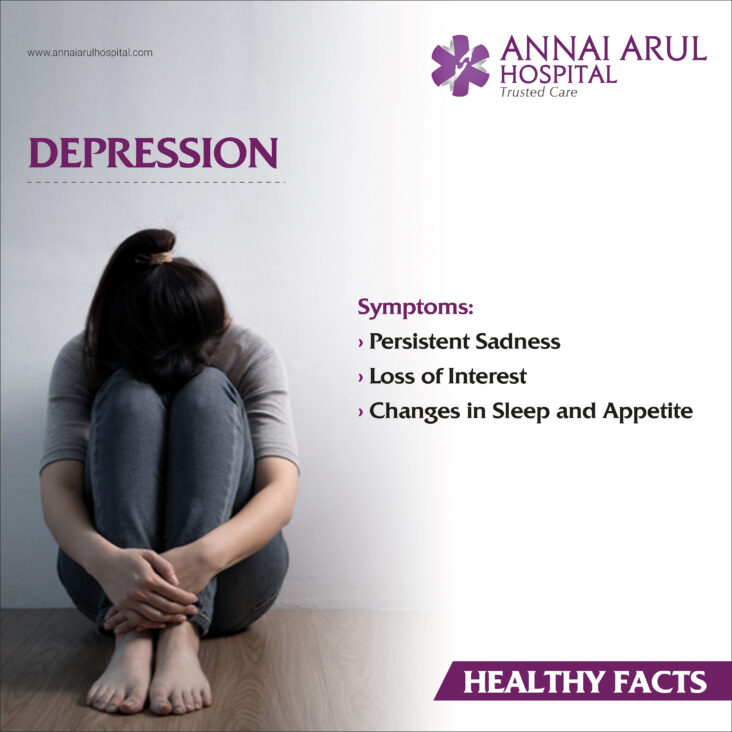
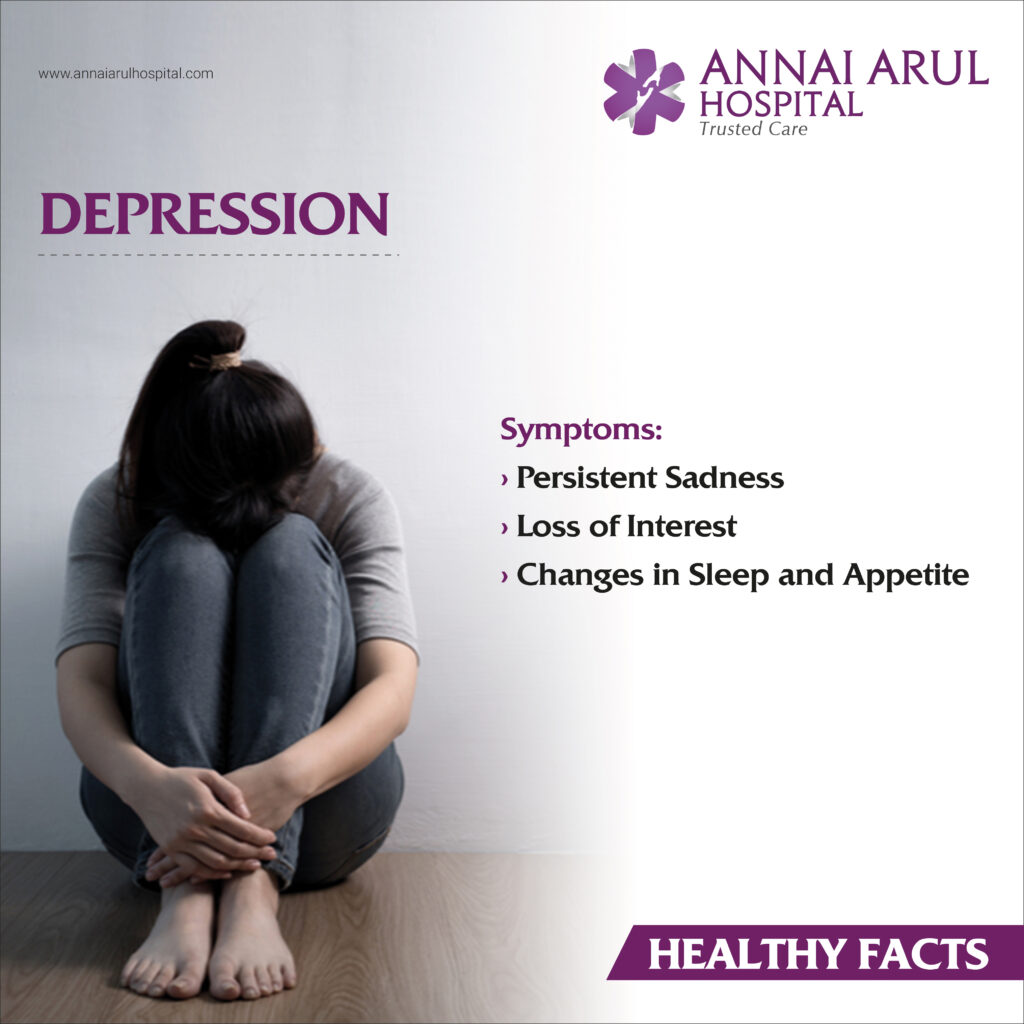
Depression

Symptoms: Persistent sadness, loss of interest, changes in sleep and appetite.

Treatment: Therapy (cognitive-behavioral), medication. Visit the hospital for the right treatment plan. It isn’t embarrassing to consult a psychiatrist

Prevention: Manage stress, maintain social connections, and seek help early.


#MentalHealthMatters

#EndTheStigma

#DepressionSupport

#SeekHelpBeHeard

#WellnessJourney

Read More