

Share on                    

Opening Hours : 24 x 7
  Contact : Emergency: +91 8939 59 9999

All Posts in Category: Blog

Understanding Mees’ Lines: Nail Health and Underlying Conditions

Mees’ lines, also known as Aldrich-Mees’ lines, are distinctive white bands on fingernails or toenails that may signal significant underlying health issues like arsenic poisoning or kidney failure. These lines, running horizontally across the nails, parallel to the cuticles and nail tips, are smooth and extend from the bottom to the top of the nail.

Possible Causes: Historically linked to heavy metal poisoning, Mees’ lines can also be associated with conditions such as cancer, altitude sickness, carbon monoxide poisoning, and various illnesses. Prompt medical attention is crucial if these lines are observed.

Care and Treatment:

  • Diagnostic tests, including a physical examination and blood tests, are essential to identify underlying health problems.
  • Treatment focuses on addressing the root cause, such as eliminating exposure to toxins or addressing health conditions. Mees’ lines naturally grow out over time.

When to Seek Medical Advice: If white lines on the nails are noticed, consulting a healthcare professional is recommended, as they may signify a serious medical condition.

#NailHealth

#MeesLines

#UnderlyingConditions

#HealthAwareness

#MedicalSymptoms

#DiagnosticTests

#HealthcareConcerns

#NailDisorders

#WellnessCheck

Read More

Tips For A Healthy Lifestyle

Tips For A Healthy Lifestyle

  1. Healthy Diet
  2. Movement – Find Your Fit, Move Everyday, Strength Training Matters
  3. Overall Well-being – Prioritize Sleep, Manage Stress, Don’t Smoke, Limit Alcohol, Regular Checkups
Read More

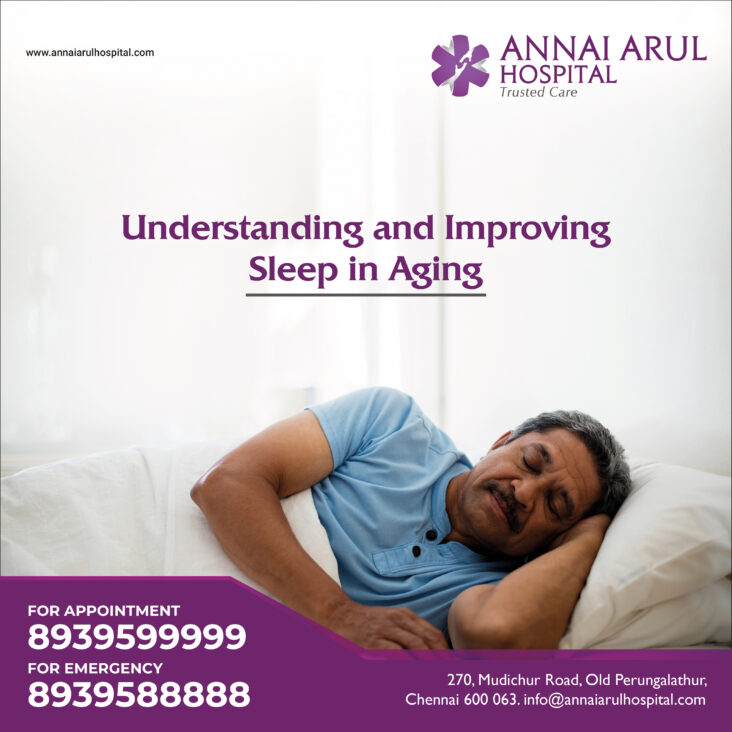
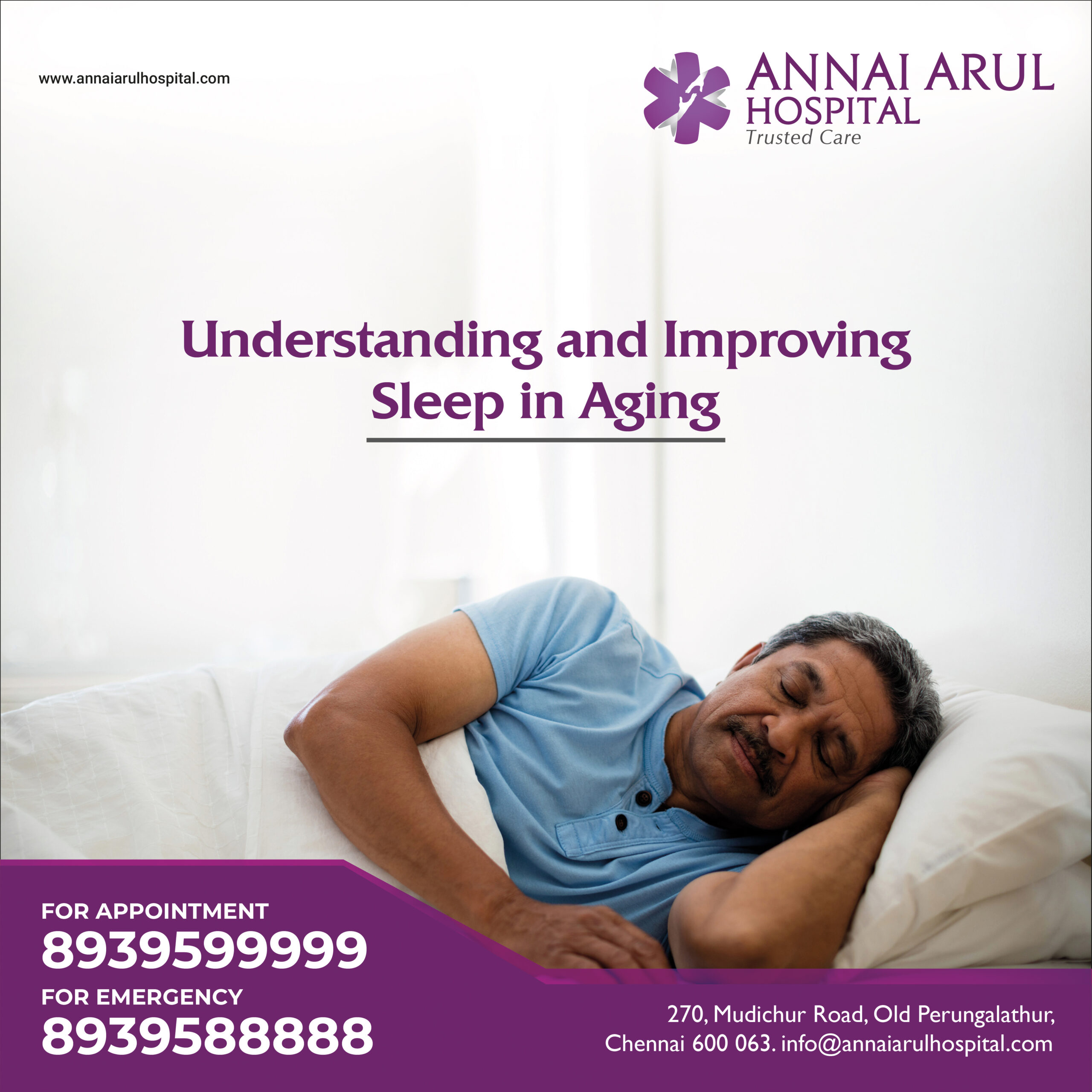
Understanding and Improving Sleep in Aging

Changing Sleep Patterns with Age: As we age, sleep patterns often shift, with a significant number of individuals aged 65 and older experiencing sleep-related issues. This may include insomnia and alterations in the duration and quality of sleep, as compared to their younger counterparts.

Factors Contributing to Sleep Problems: Various factors contribute to sleep problems in older adults. Irregular sleep habits, such as inconsistent bedtimes and wake-up schedules, can disrupt the body’s internal clock. Additionally, alcohol consumption, excessive napping, and staying in bed while not sleeping can negatively impact overall sleep quality

Medications and Sleep Disturbances: Certain medications can interfere with the ability to fall or stay asleep, potentially leading to sleep disturbances. It is advisable to consult with a healthcare professional to assess the impact of medications on sleep and explore possible alternatives.

Psychological Factors and Sleep: Life changes, stress, worry, and grief are common aspects of aging that can significantly affect sleep. Seeking support from healthcare professionals, such as doctors or counselors, can be beneficial in addressing psychological factors contributing to sleep difficulties.

Identification and Management of Sleep Disorders: Various sleep disorders, including apnea, restless legs syndrome, periodic limb movement disorder, and REM behavior disorder, may emerge with age. Proper diagnosis and management of these conditions require consultation with a healthcare professional.

Importance of Remaining Active: Maintaining an active lifestyle is crucial in older age, as excessive downtime can contribute to difficulties in obtaining restful sleep. It is advisable to stay physically active and engage in activities that promote overall well-being.

Addressing Sleep-Related Impact on Daytime Functioning: If inadequate sleep negatively impacts daytime functioning, seeking advice from a healthcare professional is recommended. Simple adjustments to daily routines, such as establishing a regular bedtime, increasing physical activity, and practicing relaxation techniques before bedtime, can contribute to improved sleep outcomes.

#SleepAndAging

#SeniorSleep

#HealthyAging

#SleepDisorders

#QualityRest

#WellnessAfter65

#SleepHealth

#AgeGracefully

#HealthyHabits

#AgingWellSleep

Read More

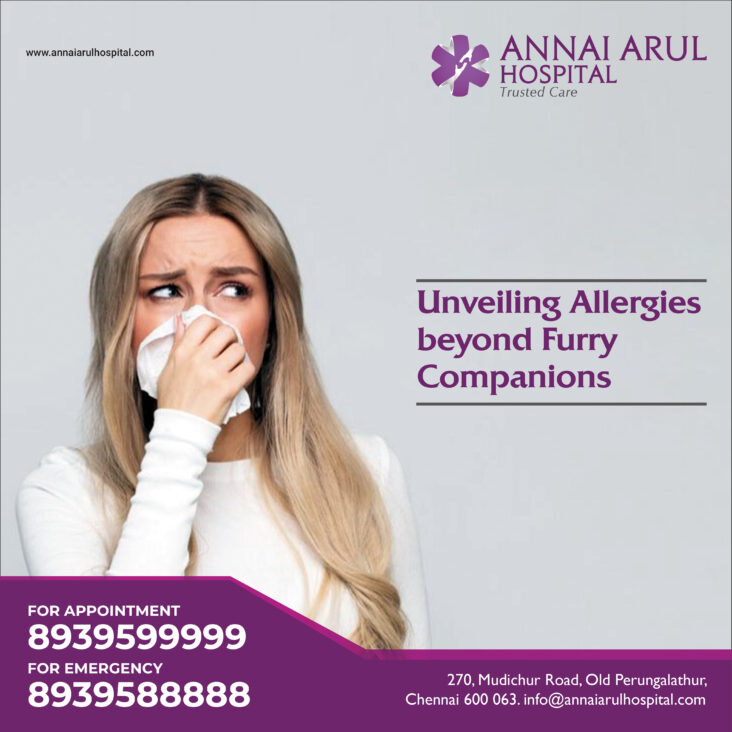
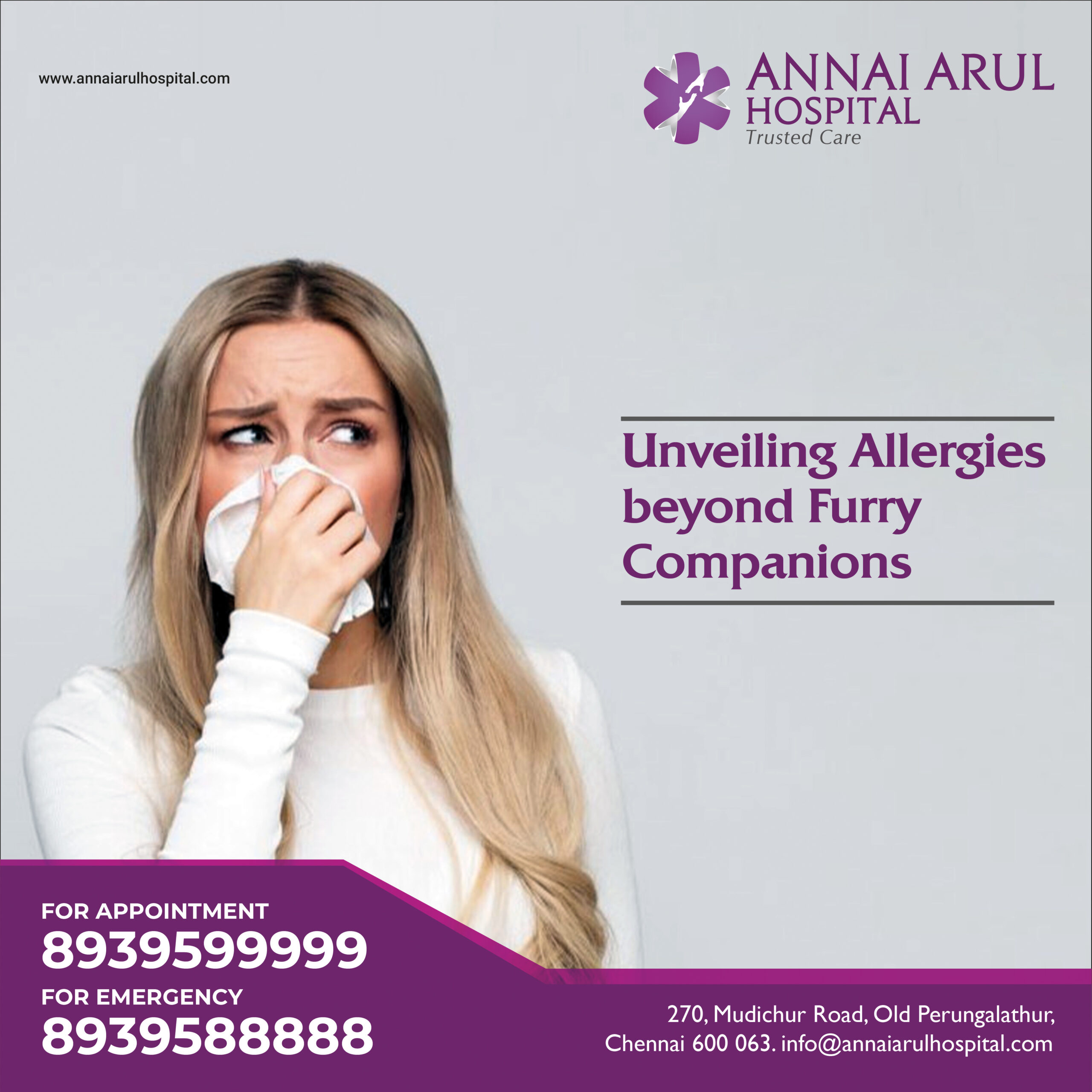
Unveiling Allergies beyond Furry Companions

Understanding Pet Allergies: While cats and dogs often take the blame for pet allergies, any creature with fur or hair can trigger allergic reactions. The immune system, tasked with protecting the body, may mistakenly produce antibodies to combat harmless elements, like pet-related substances.

Pets that Can Elicit Allergic Responses: Various animals can contribute to allergies, including:

  • Dogs and cats: Allergies are often triggered by substances trapped in their hair or fur, such as saliva, sweat, pee, and dander.
  • Small rodents and rabbits: Despite their size, hair, dander, and saliva on their fur can cause allergies, and the urine of rodents may contain allergenic chemicals.
  • Birds: Allergens from mites in bird feathers and dust in droppings can provoke reactions.
  • Horses: Although rare, horse dander allergens may lead to severe reactions, particularly in children.

Recognizing Symptoms:

Allergic reactions may manifest with symptoms such as chest tightness, congestion, coughing, itchy eyes, skin rash, and more. Persistent symptoms lasting over two weeks may indicate an allergy rather than a common cold.

Managing Pet Allergies:

If parting with a furry friend isn’t an option, consider the following:

  • Keep pets out of the bedroom.
  • Minimize close contact and wash hands after touching pets.
  • Bathe pets weekly and groom regularly to reduce dander.
  • Maintain cleanliness in pet areas, washing bedding and cages frequently.
  • Employ a vacuum with a HEPA filter and create an allergen-free home environment.
  • Use air purifiers and cover HVAC vents with cheesecloth.
  • Opt for synthetic pillows instead of feather-filled ones.
  • Meet pet-owning friends outside the home to avoid dander transfer.
  • Consult with an allergist for testing and consider short-term relief with antihistamines or long-term solutions like allergy shots.

#PetAllergies

#BeyondCatsAndDogs

#AllergyManagement

#HealthyLiving

#AllergenFreeHome

#PetCare

#AllergyAwareness

#FurryFriends

Read More