
Share on                    

Opening Hours : 24 x 7
  Contact : Emergency: +91 8939 59 9999

All posts by admin

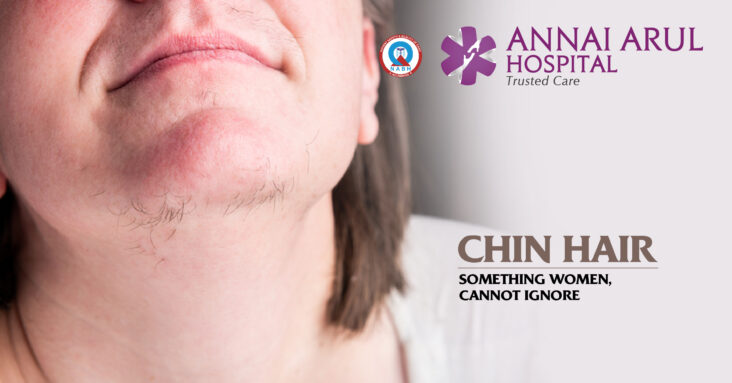
CHIN HAIR – SOMETHING WOMEN, CANNOT IGNORE

Hair is one distinguishing feature that adds value to the face of any woman. It is a part of her beauty and personality. The hair on her head is something that she can customize and experiment in endless ways.

This is not the same for hair at other places, which may not be very welcome. The hair on our body is something that nature has bestowed and at best we can do is remove it if not required. Above all, if this hair appears in unwanted places, it becomes a challenge.

Of all the places, if hair appears on the chin, then it causes considerable embarrassment. The chin is really a tricky place because, more often, you won’t notice it unless you strain your neck and push your head back. The chin hair is nothing abnormal because most of us get it at least once in our life.

What is Hirsutism?

Some stray chin hair may occasionally appear, which may be normal, but if the frequency and number of hair are more then, it is called Hirsutism. This is not a severe condition in any way, but it may be an indication of an underlying health condition. So, it is required to check it out.

There are many reasons for the appearance of chin hair and some of them are listed below.

The Gene

Chin hair may grow due to the influence of your genetic makeup. So the Hirsutism is mostly hereditary. If your grandmother, mother, or aunts had chin hair, likely, you will also get it. Surprisingly this is seen mainly in South Asia, the Mediterranean and the Middle East.

Hormonal Imbalances

Another reason for Hirsutism is associated with unusually higher levels of androgen or male hormones in some females.  Female bodies do produce some amount of male hormones, but the levels are low and so no male charesteristics surface. But sometimes higher amounts are produced, resulting in conditions like chin hair, deeper voice and smaller breasts in women.

Aging Process

After the stages of puberty and pregnancy, it is the menopause stage that affects women the most. Causing rare ups and down in the hormonal levels. Normally the amount of estrogen in the body decreases. It is during this period that more changes like chin hair appears.

PCOS Problems

PCO or Polycystic Ovary Syndrome which again occurs due to hormonal imbalance is another crucial reason for male characteristics to appear. The condition causes irregular periods, weight gain, fertility issues etc. due to cyst formation in the ovaries, which can lead to Hirsutism.

Cushing Syndrome

Excess amount of stress hormone cortisol causes considerable changes. The changes manifest through different organs and tissues and together it is called as Cushing syndrome. Chin hair growth is one such effect.

CAH

Congenital Adrenal Hyperplasia is a birth-related deficiency of vital enzymes. These enzymes are needed for sex steroid secretion from the adrenal glands. The lack of these enzymes results in male hormone secretion, which causes the development of primary and secondary sexual charecteristics like chin hair.

HOW TO TACKLE CHIN HAIR

Removing chin hair is the best option. It is done using a plucker, through waxing or by bleaching etc. Epilators and laser treatment are an advanced option. Hormonal imbalance can be tackled with lifestyle changes or in advanced cases through medical remedies.

————————————

Read More

WHAT IS AN ICE-CREAM HEADACHE?

Many of us like to have cold things to eat and drink, especially during hot summer days. Yet very often after consuming these cold things, you get a toothache, cold or sometimes a sharp headache. The brief, stabbing headaches that happen when you eat, drink or inhale something cold is called Ice-cream headache.

Ice-cream headache is also known as cold stimulus headaches. These headaches also occur when you expose your head to cold temperatures, such as diving into a pool of ice-cold water.

The most heartening part is that most of these ice-cream headaches last only for a short period of time.

Symptoms of an ice-cream headache

It is easy to know when you get an attack of an ice-cream headache. The symptoms include sharp, stabbing pain in the forehead. The pain peaks in about 20 to 60 seconds after it begins and then slowly goes away within the same time. Overall the pain does not last more than five minutes.

What causes Ice-cream headache?

When a person Exposes to extreme cold or has something cold to eat or drink suddenly, the person may get a headache. When the cold air or cold substances moves across the roof of the mouth and the back of the throat, it triggers the headache. Though the exact mechanism that causes the pain is not known.

There is a theory regarding ice-cream headache going around, which terms that the sudden cold sensation alters the blood flow in the nervous system, which causes a brief headache. This may be due to the body’s mechanism to prevent loss of heat from the body by constriction of the blood vessels and then relaxing again to let Blood flow again. That is why the pain goes away once the body adapts to the temperature change.

Blood vessels constrict to prevent the loss of body heat and then relax again to let blood flow rise, resulting in a burst of pain that goes away once the body adapts to the temperature change.

What are the risk factors?

Ice-cream headaches can affect anybody, regardless of age or gender. It affects those who are prone to consume colder things and those who live or travel in colder climates.

How to prevent ice-cream headache?

We all know that extreme cold triggers the condition, so if you avoid having cold food and drinks as well as cold weather or keep away cold by wearing necessary warm clothing, you can prevent ice-cream headaches.

Read More

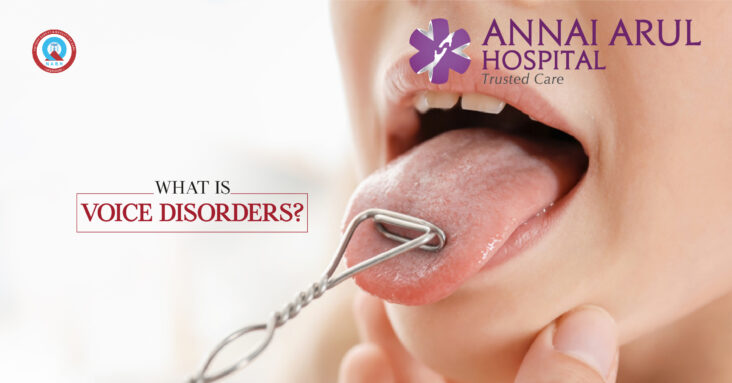
WHAT IS VOICE DISORDERS?

Many people have problems with their voice due to many reasons. Usually, ENT doctors and speech-language pathologists are specialists who handle various voice disorders.

The voice disorders depending on the causes are treated effectively with medications, voice therapy and finally surgery if needed.

What is a voice box?

Voicebox (larynx) in humans consit of cartilage, muscle and mucous membranes. It is located at the top of the windpipe (trachea) and at the base of the tongue.

Sound is generated when the vocal cords vibrate. The vibration is produced when air moves through the larynx, bringing the vocal cords closer together. The vocal cords also close the voice box when you swallow, preventing food or liquid entering the windpipe.

What causes voice disorder?

Due to infection or various other reasons, sometimes the vocal cords get inflamed, develop some growths or become paralyzed and don’t work properly. This is known as a voice disorder.

What are the common voice disorders?

There are many types of voice disorders based on the location and the cause of the disorder.

Laryngitis or inflammation of the vocal cords due to overuse, irritation or infection, neurological voice disorders, polyps, nodules or cysts in the vocal cords, precancerous and cancerous lesions and vocal cord paralysis are the different kinds of voice disorders.

What are the risk factors for voice disorders?

Voice disorder may be caused due to physical condition, one’s habits and environmental conditions. The risk factors thus include age, alcohol use, allergies, gastrointestinal reflux, upper respiratory infection, neurological disorders, stress, trauma of the front of the neck, continuous screaming, smoking, throat cancer, dehydration, throid problems and voice misuse of any other kind.

How is voice disorder diagnosed?

Once you consult your doctor with your voice problem, you will be first subjected to a detailed examination, including questions about your condition. The doctor will either use a mirror inserted in the mouth or a flexible laryngoscope, which is inserted through your nose to examine the condition of your throat. The latest equipment is a video stroboscope with a camera and light attached to it to study your throat.

Additionally the doctor may further subject you to a sound (acoustic) analysis using a computer to measure the irregularities of sound. An advanced method like laryngeal elllectromyography will be taken if available to study the electric currents in your voice box muscles.

After obtaining the resulttts of your tests, your doctor will finally conclude whether you have a voice disorder and what is the next step in treatment.

What are the treatments for voice disorders?

Depending on the diagnosis of your voice disorder, the doctor my advise various treatments, including rest for your vocal cords, intake of fluids and a speech therapist training you to use your voice effectively. If an allergy is a cause for your voice problem, then appropriate allergy treatment will be recommended.

If you smoke, your doctor will ask you to stop the habit. The doctor will also prescribe medicines to treat causes like inflammation, gastroesophageal reflux and to halt any growth in the voice box.

Read More

VITAL BREATHING TIPS FOR COPD PATIENTS

VITAL BREATHING TIPS FOR COPD PATIENTS

Difficulty in breathing is the first sign of COPD. This can be mainly tackled with some essential lifestyle changes, which will also make the patient feel better.

STOP SMOKING
Immediately give up smoking. It is an important decision to make and will help prevent further damage to your lungs. At the same time, a person should take care to avoid second-hand smoke. Any kind of smoke can irritate the lungs and make breathing difficult.

GET FRESH AIR

It is always better to avoid any irritants that can affect the lungs and breathing. Try to find out the environmental conditions and stay home when the pollution or pollen concentration is beyond healthy limits. Stay off fumes and dust particles.

EXERCISE

Endurance is one aspect that helps to breathe. Regular exercise can improve one’s endurance and strengthen the muscles that help you breathe. Consult your doctor before starting any sort of exercise.

EAT HEALTHY

In conditions like COPD you will expend more energy to help you breathe better. A well-rounded diet will give you extra energy and help you stay active and healthy.

MANAGE BODY WEIGHT

Since it takes more effort and burning of calories to breathe, you will tend to be underweight. Your doctor can suggest supplements and help you get good weight.

AVOID IRRITANTS

You must avoid certain products like soaps and perfumes that may contain substances that can irritate your lungs and air passage. Use natural products without scents and chemicals to have good breathing.

TAKE MEDICINES

Follow your doctor’s treatment plan stringently. Take all the medicines in the right quantity and on time as per the physician’s advice.


CONSULT DOCTOR REGULARLY

Submit to checkups even when you feel fine. Only your doctor will be able to gauge how well your lungs are working. Get your medicines updated and do call your doctor when you feel your symptoms are getting worse.

GET SUFFICIENT SLEEP

COPD can cause very serious sleep problems.  It can be partly due to COPD and partly due to tot the medicines you take. The normal sleeeep can help you stay safe. Consult your doctor and take advice or sleep medicines for having a good sleep.

GET A FLU INJECTION

Remember to get a flu injection every year. Diseases like the flu and other respiratory issues can cause severe problems for people with COPD. Consult your doctor and find the right vaccine. Keep social distancing to prevent flu.

OXYGEN THERAPY

Many breathing problems are caused due to the lack of oxygen. In COPD condition, your lungs don’t absorb oxygen the way it should, so they can’t supply oxygen-rich fluids in your body. The condition makes it difficult for your body and organs to function normally. You can always use the modern-day oxygen therapy, to enables you to breathe properly.

Read More

KNOW ABOUT VITAMIN DEFICIENCY AND ANEMIA

When a person has lower than the required amount of specific vitamins, it affects the overall blood cell count in the body. The low blood count results in vitamin deficiency anemia and related health problems.

Folate, vitamin B12 and vitamin C are the major vitamins that is linked to vitamin deficiency anemia. The deficiency happens when a person does not eat foods containing enough of folate and other vitamins or if the body has trouble in absorbing and processing the vitamins.

Vitamin deficiency anemia is a condition that requires your doctor’s intervention and treatment, which will consist of vitamin supplements and changes to your diet.

Symptoms of vitamin deficiency anemia

There are obvious signs and symptoms to indicate vitamin deficiency anemia like constant fatigue, shortness of breath, dizziness, yellow skin, irregular heartbeat, weight loss, numbness or tingling in your hands and feet, muscle weakness, behavior changes, unsteady gait and mental confusion or forgetfulness.

Vitamin deficiency anemia has a slow progress but as the deficiency progresses, the symptoms will also increase.

What causes vitamin deficiency anemia?

Vitamin deficiency anemia occurs when there is a shortage of vitamins in the body needed to produce enough red blood cells. The red blood cells function to carry oxygen from the lungs to the various parts of our body.

The various vital vitamins and the result of their deficiency include:

Folate deficiency: Folate is nothing but vitamin B9, a nutrient found in fruits and leafy green vegetables. A diet lacking in these foods can lead to folate deficiency and resultant problems. Folate deficiency occurs mainly due to small intestine surgery, celiac disease,  alcohol drinking and certain medications. Pregnant women and those undergoing dialysis will also experience a higher requirement for folate.

Vitamin B12 deficiency: The deficiency of vitamin B12 happens due to a diet lacking in products like meat, eggs and milk. A condition where the immune system mistakenly attacks the intrinsic factor a substance in the body also causes B12 deficiency. Some people will experience difficulty in absorbing vitamin B12 in the small intestine, causing anemia. The disease of the small intestine, bacterial growth, Crohn’s disease, and tapeworm attack also are main causes.

Vitamin C deficiency: Vitamin C deficiency develops due to a diet deficient in the vitamin or due to the body’s inability to absorb the vitamin. Smoking is a major cause of this condition. Certain chronic illnesses like cancer, kidney disease also increase the risk of deficiency.

What are the complications of the condition?

Pregnant women experiencing vitamin deficiency anemia will have complications in pregnancy and even lead to premature birth. The untreated condition can cause neurological problems like persistent tingling sensation in the limbs, mental confusion and forgetfulness. The deficiency also causes scurvy with excessive bleeding under the skin and in the gums.

How to prevent vitamin deficiency anemia?

Choosing a healthy diet is one significant preventive action against vitamin deficiency anemia. Foods rich in folates like green vegetables, nuts and fruits can be taken. Eggs, meat, cheese and seafood will provide vitamin B12 and foods like broccoli, citrus fruits, green peppers and tomatoes can help in providing the necessary vitamin C.

Vitamin supplements, quitting smoking and drinking in moderation can all contribute to keep the body well supplied with vitamins and thus prevent vitamin deficiency anemia.


Read More