

Share on                    

Opening Hours : 24 x 7
  Contact : Emergency: +91 8939 59 9999

All posts by admin

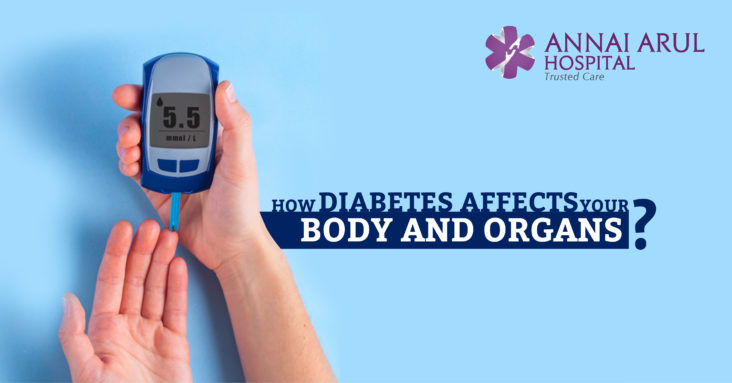
HOW DIABETES AFFECTS YOUR BODY AND ORGANS

Glucose, or blood sugar, is the source of energy for the human body. It is derived from the food we eat. The hormone insulin helps the cells of the body to convert glucose into fuel. Diabetes occurs when the body either does not make enough insulin or cannot sue what it already has. The result is the amount of sugar in the blood increasing beyond normal levels. A continuously raised blood sugar levels for long years result in a wide range of serious health problems.

Now, let us look at some of the effects of diabetes on our body and organs in particular.

Circulatory System

Diabetes has a devastating effect on your blood vessels. It causes macrovascular disease and microvascular disease that affects the large blood vessels and small blood vessels respectively. Microvascular disease causes eye, kidney and nerve problems. Whereas macrovascular disease leads to heart attack and stroke.

Cardiovascular System

Higher level of blood sugar affects the elasticity of blood vessels and causes them to narrow, causing problems with blood flow. Thus diabetes is a big risk factor for heart disease, the risk for stroke or heart attack increases by 200-400 per cent for adults.

Nervous System

People with diabetes develop neuropathy or nerve damage, this is because blood vessels do not deliver enough oxygen. The most common form is peripheral neuropathy, which affects toes, feet, legs and arms.

Urinary System

Diabetes also damage blood vessels in the kidneys and prevents kidneys from functioning properly or filtering waste out of blood. Diabetes is the main cause of chronic kidney disease (CKD).

EFFECTS ON BODY FUNCTIONS

Eye Sight

Diabetes causes damage to retina and loss of sight mainly in patients over 40 years.

Digestion

Diabetes cases gastroparesis or slowness in movement of food to small intestine. The symptoms include nausea, vomiting, acid reflux, bloating, stomach pain and weight loss.

Sexual Function

The damage to blood vessels and autonomic nervous system interferes with the body’s ability to react to sexual stimuli and causes sexual dysfunction.

Healing

Due to poor blood circulation people with diabetes have slower healing than normal. It also reduces immunity or interferes with the ability of white blood cells to fight infection.

Diabetes affects all parts of the body including feet which if severely infected may need amputation; eye problems include blurred vision, reduced vision, blindness and cataracts; dry skin, skin tags, dark patches, bacterial and fungal infections and itching affects the skin; obesity and stress can aggravate in diabetics leading to severe heart problems.

Fortunately, we can take a proactive approach to the diabetes and actually manage our sugar levels and maintain a normal level through medical care and few lifestyle changes. This helps to limit the effects.

Read More

WHAT ARE THE LIFE THREATENING ALLERGY TRIGGERS?


Many foods we consume, pollutants, chemicals and materials we use can trigger life threatening allergies and consequent conditions like anaphylaxis. Here are a few of the more commonly consumed foods and substances that trigger such dangerous reaction.

PEANUTS MAY BE DANGEROUS

The unassuming peanut is found to be potentially a lethal cause for food related allergy deaths. Peanuts can trigger anaphylaxis, a reaction that makes breathing difficult and prove fatal if not treated instantly. The symptoms start within minutes of having peanuts, they may also take a few hours to manifest. The signs include swelling, hives, trouble breathing, rapid pulse and dizziness.

CERTAIN FISH AND SHELLFISH

Shellfish such as lobster, shrimp and crab can be triggers for fatal allergic reaction in some people. Shellfish and fish allergies are so potent that even inhaling the cooking vapours can start a reaction. The symptoms include swelling of tissues, blocked airways and having serious heart and circulation problems.

SOY AND SESAME & NUTS

Who would believe that the tiny sesame seed can trigger a huge anaphylactic reaction? Legumes like lentils, peas, soy beans and other seeds can also cause reactions. They are similar to the peanut which is a legume. The nutritious and much like cashew and walnuts are also potentially dangerous as they may cause allergic reaction in some adults.

DAIRY, WHEAT & EGG

Some children are more susceptible to allergies due to milk, wheat and eggs. These substances can be hidden in other foods, like baby food and can cause the allergic reaction Ingredients made from milk, wheat, nuts and soy such as lecithin (soy) and whey (milk) can  also cause allergy causing in some adults as well as children.

FLYING INSECT STINGS

When a victim gets stung by a honeybee, wasp or hornet it can trigger anaphylaxis. If you suspect an allergy due to an insect sting then immediately consult an allergy specialist who might prescribe some inject-able medications. go for an allergy shot. The shot may prevent the onset of anaphylaxis from insect sting. Sometimes avoiding wearing perfumes and colognes or bright colours can prevent flying insect and bug stings.

PRESCRIPTION MEDICINES

Hospitals and doctors take care to get information from the patient about any allergy to particular drug. Pencillin and other antibiotics can trigger drug-related anaphylaxis. Certain chemotherapy drugs, imaging dyes, muscle relaxants used in anaesthesia are all triggers for allergic reaction. The doctor may either give allergy shots before administering a drug or give alternative medications.

LATEX MATERIAL

Patients who undergo repeated surgeries and health care workers are more at risk of latex allergies. The triggers can be latex gloves, IV tubes, syringes, and all other items made with natural rubber latex. Even other materials like balloons, condoms and rubber bands can cause severe reactions.

SIGNS OF ANAPHYLAXIS

There are many signs and symptoms for Anaphylaxis:

Trouble in normal breathing

Slipping into unconsciousness

Lower blood pressure

Chest pain or tightness and trouble swallowing

Hives, swelling, itchiness and skin rashes

Nausea, dizziness and diarrhoea

Read More

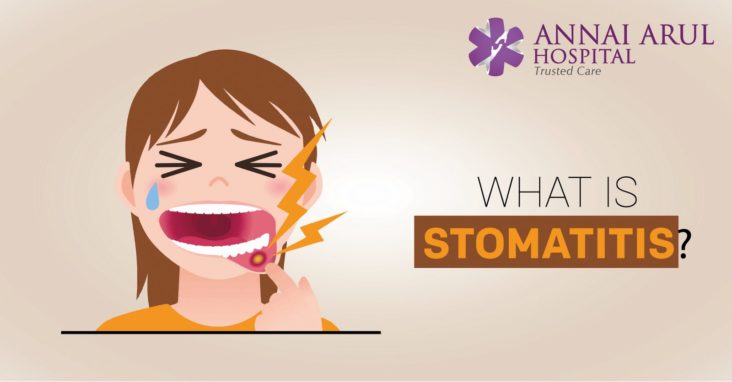
WHAT IS STOMATITIS?

A condition where the mouth is inflamed and sore is called Stomatitis. It can prevent a person from eating, talking and even sleeping. Stomatitis can occur anywhere in the mouth, it is seen affecting parts like the cheek, gums, tongue, lips and the palate.

What are the types of stomatitis?

According to the nature of the sore, stomatitis can be in varied types. Even though they all cause the same result of pain and discomfort their physiology and healing time etc. may differ.

The types are:

Cold Sores: These are commonly called as fever blisters. They are filled with fluids and occur around the lips. These kind of sores rarely form on the gums or the roof of the mouth. Cold sores later crust over with a scab and give some sort of tingling sensation. They give a tender feeling and burning sensation before the sore actually appears.

Canker Sores: These are also known as aphthous ulcer. It is single pale or yellow coloured ulcer with a red outer ring. They may be single or a cluster of such ulcers. They occur in the mouth, usually on the cheeks, tongue or inside the lips.

What causes mouth irritation?

There are many reasons for mouth irritation:

  • When we bite our cheek, tongue or lip
  • It can occur in those wearing braces or any dental apparatus
  • A sharp broken tooth
  • By chewing tobacco
  • When you burn your mouth with hot food or drinks
  • Gingivitis a common gum disease or other mouth infection
  • Having autoimmune diseases
  • Certain medications like chemotherapy, antibiotics and epilepsy medications
  • Radiation during cancer treatment
Read More

WHAT IS UNEXPLAINED NERVE PAIN?

A sensation of burning, tingling, electric shock and pins and needles, the sudden nerve pain can be experienced in many forms. At the same time you may not know the exact reason for such a pain. Thankfully you are not alone but millions of people have such unexplained nerve pain. Many people use traditional medicines to tackle the malady and there are many other ways to lessen the pain.

Sudden nerve pain occurs due to nerve damage and once a nerve is damaged it behave abnormally. It may become totally dysfunctional and send no information which causes numbness or it may become over active and send excessive and inappropriate pain message.

Common causes for nerve pain

Any sort of damage to the nerve in any part of the body can cause the nerve pain. There are more than 50 medical conditions, medications, toxins etc. that can cause nerve damage. The common causes though include diabetes, HIV, celiac disease, trauma, amyloidosis, heavy alcohol use, chemotherapy, autoimmune conditions like lupus and vasculitis, Vitamin B12 deficiency, cancers like lymphoma & myeloma, Lyme disease etc.

In intensive studies, it was observed that those who got unexplained nerve pain were also prediabetic. So it is believed that elevated blood sugars or prediabetes may be the main cause for the pain.

Certain other cases it was found that metabolic syndrome including high blood pressure, abnormal cholesterol levels, obesity and prediabetes together causes the unexplained nerve pain.

What are the symptoms?

The symptoms of unexplained nerve pain may include:

Peripheral neuropathy due to diabetes which usually causes numbness in the hands and feet. The numbness first goes unnoticed when it causes no pain. Later the pain manifests in the feet and legs but also can occur in the hands and arms. The pain is explained by patients in various forms including burning, tingling, crawling, pins and needles or mild electric shocks.

At times simple touching can cause nerve pain and pain may be constant even when there’s no stimulation. Often the unexplained nerve pain gets worse during nights and disturbs the sleep; this actually aggravates the condition because a person needs adequate sleep to cope with pain.

Some home remedies for pain

More often self care and home remedies can give a huge relief and help cope with unexplained nerve pain.

Start Moving

Regular exercise helps the blood vessels in the feet to expand and nourish damaged nerves which can become healthy again. Start a daily walk routine which can gradually pick up in speed and distance.

Take care of your feet

Examine your feet daily, wear comfortable footwear and consult a podiatrist.

Get enough sleep

There is no better remedy than getting a good night’s sleep. Limit caffeine intake in the afternoon, keep a regular bedtime and make the bedroom exclusive for sleep.

Meditation

Train with a good profession in imagery, meditation and biofeedback to explore the possibilities of mind-body connection. This will help a lot to cope with pain.

Read More

ARTHRITIS AND ANKYLOSING SPONDYLITIS

We are all aware of arthritis and the pain and discomfort it causes but Ankylosing Spondylitis is a type of arthritis that affects the spine. The symptoms of Ankylosing Spondylitis include a stiffness and severe pain from the neck to the lower back. The spine loses its flexibility and the vertebrae fuse together to result in a rigid spine. A condition like this affects the posture and the patient may stoop over. The only way is to have an early detection and treatment to control the pain and stiffness, so that deformity is reduced to the minimum.

WHO IS AT RISK?

Ankylosing Spondylitis is mostly seen in adults and it can occur at any age. In men the disease can strike between teenage and 20s. It is not so commonly seen in women but some people in the tribal belts and rural areas are seen to be affected by the disease.

WHAT ARE THE SYMPTOMS?

There are some common symptoms that can be seen at the early stages of the disease:

I Pain and Stiffness: You will experience a lot of pain and stiffness in the low back, buttocks and hips constantly and this will continue for months. Spondylitis starts at the joints, where the lowest part of the spine joins the ileum bone of the pelvis in the lower back region.

I Bony fusion: Ankylosing Spondylitis causes an overgrowth of the bones which leads to the abnormal joining of bones called the ‘bony fusion’. Fusion affects the bones of the neck, back and hips and affects the person’s ability to perform routine activities. The fusion of the ribs to the spine or breastbone may limit a person’s ability to expand the chest or take a deep breath.

I Pain in the ligaments and tendons: Spondylitis also may affect the ligaments and tendons that attach to bones. Inflammation of the tendon causes pain and stiffness in the area beneath the heel, like the Achilles tendon at the back of the ankle.

Ankylosing spondylitis is a systemic disease that may not be limited to the joints. People with this condition will also have loss of appetite, fever and fatigue. Some people will show signs of eye infection and redness while in some cases it may cause lung and heart problems.

WHAT CAUSES ANKYLOSING SPONDYLITIS?

The exact cause of Ankylosing Spondylitis is unknown even though the genetic or family link is more prominent. Though people carrying the spondylitis gene are more likely to develop the disease there is a percentage of people affected who have no signs of the condition.

HOW IS ANKYLOSING SPONDYLITIS TREATED?

There is no certain cure for Ankylosing Spondylitis, yet treatments focus on reducing pain and discomfort. The goal is to improve the function and reduce the stiffness so as to be able to maintain a good posture, prevent any deformity and get back the ability to do normal activities. If properly treated and on time those suffering from Ankylosing Spondylitis can lead a normal life. Physical and occupational therapy, exercises and medications are the right combination for treating Ankylosing Spondylitis.

Read More