Share on                    

Opening Hours : 24 x 7
  Contact : Emergency: +91 8939 59 9999

WHAT THINGS CAN AFFECT THE MEDICATION?

WHAT THINGS CAN AFFECT THE MEDICATION?

Many a time you should have experienced the problem of your medicines not working properly or producing some side effects and wondered what exactly happened. This may be due to the combination of medicines not working together or it may be due to your eating and drinking. It is always advisable to talk with your doctor regarding the medicines you are already taking or your daily food habits, so that you can avoid a situation where the medicines do not work.

Here are a few things that can affect your medications.

Citrus Fruits

Citrus fruits like grapefruit can change the way certain cells in the gut receive the medication and how it moves through the body. More than 50 kinds of drugs get affected by citrus fruits. Medicines like fexofenadine (Allegra) for allergies become less effective and certain other medicines can become more potent, including the medicine to lower the cholesterol (Lipitor).

Milk

The dairy products can make it harder for the body to process any antibiotic. Minerals in milk like calcium and magnesium along with the protein casein is the reason. If someone is taking antibiotics, then check out the foods and beverages they should stay away from.

Licorice

There are many people who use licorice as an herbal remedy for digestion. Others use it to flavour foods. Actually a chemical in licorice called glycyrrhizin weakens the effect of medicines including cyclosporine, which is used by transplant patients to prevent their body from rejecting the new organ.

Chocolate

The effects of certain drugs like zolpidem tartrate (Ambien) used to calm down patients and make them sleep can be weakened by chocolate. It also has the potential to boost the power of certain other stimulant drugs, like methylphenidate (Ritalin) and if the patient is using a MAO inhibitor, to treat depression, then chocolates raise the blood pressure dangerously high.

Iron Supplement

Iron supplements can lower the effects of levothyroxine, a medicine used to enhance thyroid hormone when the body is unable to produce enough (hypothyroidism). This medicine along with a dose of multivitamin, always check whether the vitamin has iron in it.

Alcohol

To some extend we are all aware that alcohol is never good with your medication. Alcohol makes certain drugs less effective and even useless. They affect antihypertensives and cardiac drugs. It can also make some drugs stronger than they should be.

Coffee

Coffee takes its toll on antipsychotic drugs like lithium and clozapine. It can also stimulate extra effects for some other drugs. Medicines like aspirin, epinephrine and albuterol which help in breathing problems. Coffee can also make it harder for the body to absorb and use iron.

Antihistamines

Antihistamines are medicines themselves, which is used to control sneezing and runny nose. But they make drugs for high blood pressure less effective and also raise the heart rate.

Taking Medicines

The best way to take a course of medicines is to ‘Do as directed’ by the physician. We often tend to take fewer medicines than necessary, take it at random time and leave unauthorized gaps between doses; all this will ultimately weaken its effects. Understand the treatment plan and proceed according to your doctor’s advice.
Read More

HOW IS CAFFEINE RELATED TO HEADACHE?

Headaches are a common occurrence and everyone gets it from time to time. Whereas caffeine is present in everything we eat and drink on a daily basis. Now, is there a connection between caffeine and headache? It is always possible that this very caffeine may be cause and cure for our headache.

Does caffeine help us?

Whenever the head hurts or you get a headache the search is on for some sort of immediate relief. It can be a stress induced headache or a chronic migraine but taking some caffeine gives instant relief. Exactly why, caffeine is an ingredient in most of the popular pain relievers. At times a little bit of caffeinated drink can stop the pain in its tracks.

A special kind of headache known as the hypic headache responds very well to caffeine. These is kind of headache that strikes older people and they wake up in the middle of the night with severe headache. Doctors are known to advise such patients to have a cup of coffee before retiring to bed.

Does caffeine hurt?

Strangely, what makes caffeine effective as a pain reliever is exactly what causes the pain in other cases. Caffeine usually narrows the blood vessels that surround the brain to control pain, when you stop taking it the blood vessels expand again, this causes severe pain.

There is something called the withdrawal symptom. The body gets used to the effects of caffeine and when you don’t have it in the system, you experience withdrawal symptom. The headache you get is one such symptom. This usually happens when you have caffeine regularly, like one cup of coffee ever day.

Caffeine also plays a part in what is known as medication overuse or rebound headache. When you take too much of a pain reliever  often, there is always a risk of medication overuse. Finally when the medicine wears off the pain returns with renewed force. When there is a combination of caffeine with pain relievers, this can easily happen.

What can be done to balance caffeine effects?

Always be aware of the effects of caffeine and control how much you drink or eat substances with caffeine. When you get persistent headache or attacks of migraine then you should cut down on caffeine or stop it altogether. For example, if you are having 2 cups of coffee along with your breakfast, try to reduce it to 1 cup. This should be done gradually because a sudden stop would result in withdrawal syndrome.

Try to remember what give you relief when there is an attack of headache and keep a record of it. Getting a good night’s sleep and drinking plenty of water is recommended. Usually a nutritious diet and regular exercise can go a long way in cancelling out a caffeine induced headache. Managing stress, certain relaxation exercises, meditation and body massage or head massage can be a good remedy instead of using caffeine.

Read More

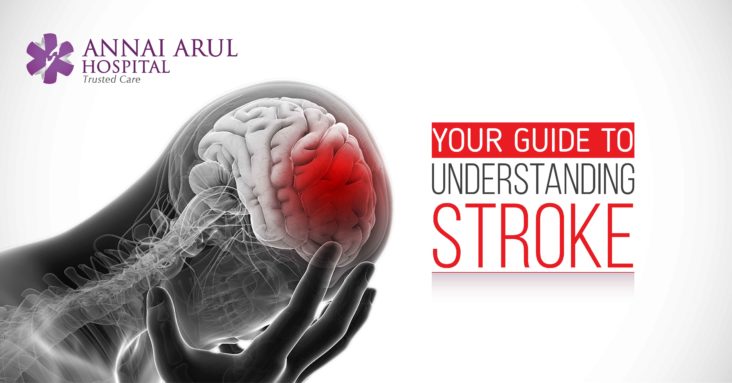
YOUR GUIDE TO UNDERSTANDING STROKE

Stroke is the leading cause of death the world over and it is always a medical emergency. When stroke occurs it is usually caused by a blood vessel bursting in the brain or due to a blockage. When the blood supply is cut-off the cells in the brain quickly begin to die and this results in serious diability or death. A stroke patient should get immediate professional medical help or should reach the nearest hospital.

What are the symptoms of stroke?

There are many symptoms that points to an imminent stroke. If a person has high blood pressure or doctor has warned about a possibility of stroke then extra care should be taken to look out for tell tale signs of stroke. The most common symptoms are listed below:

  • Sudden feeling of numbness on one side of the body
  • Feeling of weakness of the body especially on one side
  • A sudden and severe headache without any reason
  • Sudden vision problem in one or both eyes
  • Problem in swallowing
  • Sudden dizziness, loss of balance etc.
  • Feeling confused, difficulty in speaking and understanding

F.A.S.T Test for stroke

To make it easy to recognise the symptoms of a stroke the F.A.S.T test has been devised. Each letter stands for a body part which has to be checked to recognise a stroke and the letter T stands for time which is very critical in saving a stroke patient.

F for Face: Ask the person to smile. Check whether one side is drooping

A for Arms: Ask the person to lift the arms and check if one side drifts down.

S for Speech: Ask the person to repeat a simple word and watch if the person has trouble speaking or has a slur

T for Time: Time is very crucial if you see any of the above signs then rush the patient to the nearest emergency care within four hours.

What are the risk factors?

The risk factors for a stroke includes high blood pressure, high cholesterol, diabetes and obesity. Lack of exercise, smoking and drinking are the other behavioural causes.

What are the types of stroke?

There are three most recognised type of strokes which includes ischemic stroke, hemorrhagic stroke and mini stroke. The ischemic stroke happens when the blood vessels to the brain get blocked due to a blood clot. The hemorrhagic stroke occurs when a weakened blood vessel in the brain bursts and the mini stroke is the one that suddenly takes place and causes symptoms similar to an actual stroke, but when the blood flow is restored the symptoms just disappear within 24 hours.

Emergency treatments

When a person suffers a ischemic stroke then medicines are used to restore the blood flow to the brain. A clot busting drug is used within 3-4 hours of a stroke. The hemorrhagic stroke is much more difficult to control where blood pressure, bleeding and brain swelling has to be immediately controlled for saving the patient.

Time is brain

Every minute counts after the onset of stroke. You can lose 2 million brain cells in each minute until blood flows in restored to your brain. Hence knowing the signs of stroke and getting help quickly can save one’s life. If anybody near you shows positive F A S T test, bring him to hospital within few hours.

Read More

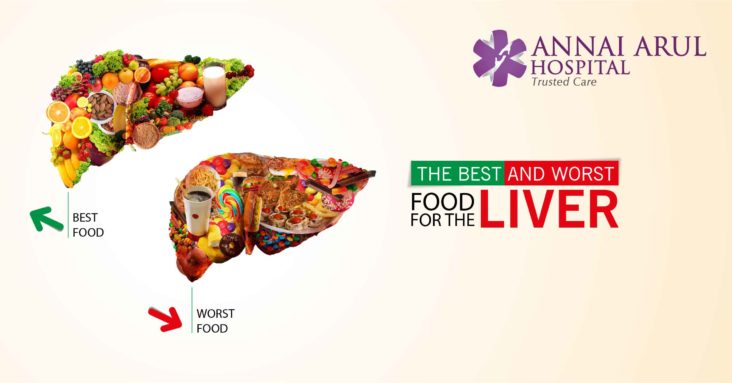
THE BEST AND WORST FOOD FOR THE LIVER

The liver is a central organ for nutrient metabolism. There are nine essential amino acids which are not made by your body and therefore must be obtained via your diet of them three leucine, isoleunce and valine are considered branched chain amino acids(BCAA). BCCA are known to improve nutritional status, prognosis and quality of life in people. BCAA may also enhance weight and fat loss. BCAAs are present in all protein containing foods. Excellent sources BCAA sources include chicken, fish and eggs. You can also get BCAA from beans, lentils, nuts and soy.

Here is a list of the best and worst food for the liver.

Oatmeal

Usually food with lots of fibre content is best for the liver as it makes the liver work at its best. Oatmeal is one such food with enormous fibre in it and the best way to start the day. Oatmeal also helps in losing weight and belly fat which ultimately helps in keeping the liver disease free.

Broccoli

There is no denying that you should add lot of green veggies in your diet if you want your liver to be healthy. Broccoli is one such food that delivers what it promises. Studies show that crunchy food can help protect us from non-alcoholic fatty liver disease. If steamed broccoli is a bit blant then shred it into a slaw and have a salad with a tangy dressing.

Coffee

Coffee may look out of place when you talk about liver healthy food but infact it does have some benefits. It is proved that having 2-3 cups of coffee a day can actually reverse the damage caused to liver by alcohol or unhealthy food. Other research shows that drinking coffee can also lower the risk of liver cancer.

Green Tea

Green Tea is brimming with catechins, a type of antioxidant. It gives protection against liver cancer. A hot cup of green tea brewed at home gives more benefits than cold tea or ready to drink tea from the market.

Water

The liver is most healthy when your weight is under control. Whenever you are thirsty reach for a bottle of fresh water rather than sweetened drinks like coke or sports drink. A little sense everyday can save addition of many fattening calories over time.

Almonds

Nuts and especially almonds are best source of vitamin E a rich nutrient which will stop fatty liver disease in its tracks. Almonds are a good food for the heart also and so always grab a handful for you whenever available. They can be used in other food and salads too.

FOODS to AVOID

Fatty Food

All those tempting food that pop out of advertisements and street corners can be harmful to the liver health. French fries and burgers are always luscious but only till they reach your stomach and then their saturate fat content will make it harder for the liver to carry out its job. This will overtime lead to inflammation which later causes scarring of the liver known as cirrhosis. So, if you want the liver to be healthy then keep away from such food.

Sugar

Sweetness without control can cause lifelong damage to the liver. Part of the liver’s job is to convert sugar into fat. If you eat too much sugar then it will produce excess of fat which will get deposited all over your body. It can also lead to fatty liver disease.

Common Salt

It is a must that your body gets some amount of salt for it to function properly, but too much is what we get daily. Diet high in salt will lead to fibrosis or first stage of liver scarring. Try to avoid processed foods like pickles which are loaded with excess salts, always choose fresh produce and products. Keep your salt shaker away from the table.

Packaged foods

Next you feel like reaching out for a packaged food try to control your thoughts. Packaged foods are usually loaded with sugar, salt and fats. Cut back on snacking or if you really want to then reach for some healthy snacks. An apple or a pack of almonds is always a better option.

Read More

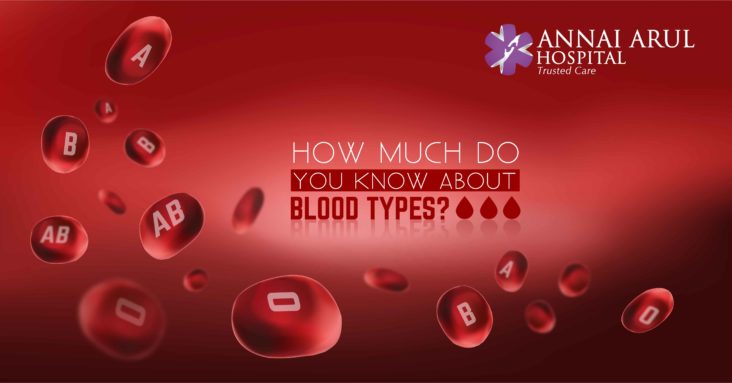
HOW MUCH DO YOU KNOW ABOUT BLOOD TYPES?

In humans there are mainly 4 types of blood groups, they are A, B, AB and O group. It is a tiny bit of protein, called the antigen which is on the surface of a red blood cell that helps determine which type of blood you have. If you have A antigen, then your type is A and B antigen means the blood type is B and so on. If you have both antigens then the blood type is AB and if there are no antigens then the blood type is O.

What is Rh Factor?

If you have the Rh factor on your red blood cells along with the antigen then you have a positive blood type. For example if you have A antigen and the Rh factor then the blood type is A positive. If the Rh factor is absent then you have a negative blood type. For example if you have no Rh factor but only B antigen then you blood type is B negative.

Lower heart disease

People having a certain type of blood group have lower risk of heart disease. Blood group  ‘O’ is most common and has lower risk of heart disease. On the negative side AB blood has higher risk compared to people with other blood types.

Memory problems

People who have AB type of blood group are more at risk of getting dementia than people of other types. While people with type ‘O’ have the lowest risk of developing the condition.

Universal Donor

It is best to check the correct blood type before receiving a transfusion otherwise it may cause problems. But in an emergency, O negative blood type can be used for any person. This is because it does not have any of the antigens, A, B, or Rh that can lead to immune system attack on it.

Universal Recipient

People having blood type AB positive is known as ‘universal recipients’ because their blood has all the antigens. This type of blood recognises any other blood type during transfusion in the body and will accept the blood without any sort of attack on the transfused blood cells.

Weight loss

There is a misconception that you can lose weight if you base your diet upon the blood type. There is no evidence to prove this. Studies show no health effects of specific foods on any blood type.

Rh Negative Danger

The blood of a pregnant mother will act upon the baby’s blood cells and destroy them if she has Rh negative blood type and the baby has Rh positive type. This is called as rhesus disease and some medications can prevent it. During pregnancy it is good to have a blood test for Rh factor done. If you are Rh negative, the doctor will recommend that you take the medications to be on the safer side.

Read More