
Share on                    

Opening Hours : 24 x 7
  Contact : Emergency: +91 8939 59 9999

All Posts in Category: Blog

WHAT CAUSES PARKINSON’S DISEASE?

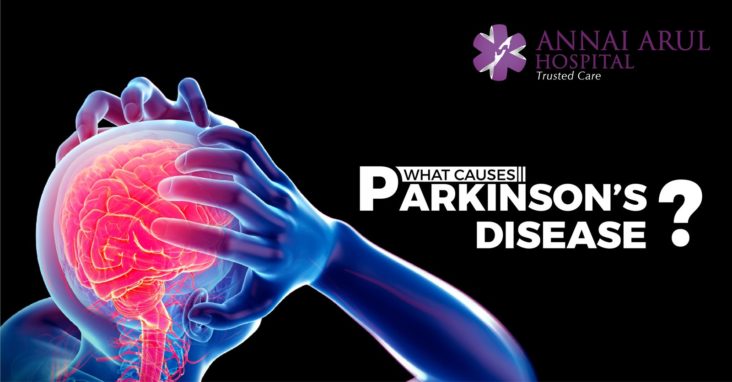
When a person has difficulty in moving and seems to lose balance then it may be an indication of Parkinson’s disease. It is because of problem to certain nerve cells in the brain. Dopamine is the chemical that sends signals to the brain for movement. The signals lets your muscles move smoothly at the correct speed and the way you desire. When a person is afflicted with Parkinson’s then the nerve cells are damaged, which means dopamine is no longer available and thus you have trouble moving your limbs at desired speed  or they may tremble involuntarily.

Parkinson’s is a progressive disease and it slowly advances and gets severe over time. This happens over many years and today there are good therapies that can help a Parkinson’s patient lead a fuller life.

What Causes Parkinson’s?

It is yet to be found what exactly causes the nerve cells to break down. Researchers are investigating the causes which include aging and pollutants or poisons in the atmosphere. There is a probability of some abnormal genetic make-up or genes that leads to Parkinson’s disease in few people. So far there is no concrete proof that Parkinson’s disease can be inherited.

What are the symptoms of Parkinson’s?

There are certain marked symptoms of Parkinson’s disease like tremor or trembling of the arms, hands or legs, sometimes the patient may have stiff muscles, movements get slowed and there can be a problem with balancing while walking. Tremors are said to be the first symptom and the most common one but not everyone will have tremors to begin with. Parkinson’s also affects the muscles all through the body and cause trouble swallowing or later constipation. In advanced stages the patient will have a fixed gaze or blank expression and trouble speaking. Some people may show signs of dementia.

The symptoms usually appear between the ages of 50 and 60, though there are several cases where the disease symptoms manifested earlier than that.

How to treat and manage Parkinson’s?

Your doctor can detect Parkinson’s by observing your movement asking for some brain scans etc. At present there is no definite cure for the disease but there are several medicines that can control the symptoms which affect your daily life. Certain specialised treatments like deep brain stimulation may also be used depending on the nature of the individual’s disease.

The patient is usually advised to get good diet, enough of rest, conserve energy and sometimes given physical and occupational therapy.

Read More

HIGH BLOOD PRESSURE MAY BE NOT DUE TO SODIUM

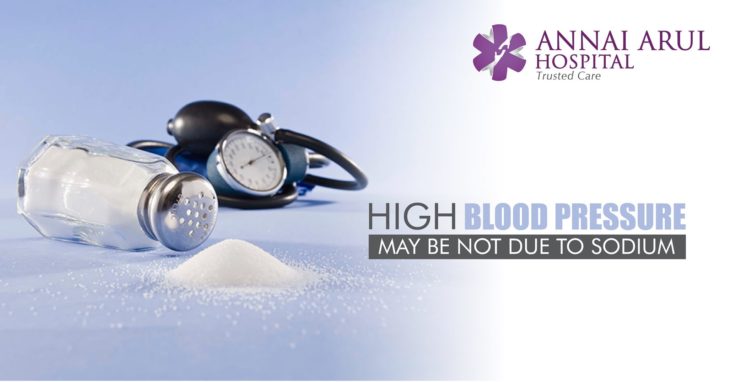
For ages salt or sodium has been pointed out as the villain who causes the life harming hypertension. Though recent studies which took a deeper look into the issue shows that the story is more complex. The latest study results actually take the blame away from sodium being the sole cause of hypertension.

New angle to Sodium and Hypertension

In a focused study recently the team found out those research participants who consumed less than 2500 milligrams of sodium every day had much higher blood pressure than those who consumed sodium in higher quantities. The results were counterintuitive as the dietary sodium intake which was positively associated with systolic and diastolic blood pressure proved to be the opposite.

In fact the researchers came to the conclusion that there was a relationship between cardiovascular risk and sodium which means that low-sodium diets and very high sodium diets both carry a higher risk of heart disease. When a person consumes sodium moderately then you sit in the middle of the curve and your risk for cardiovascular disease is on the lowest side.

Importance of Potassium

The importance of potassium in our daily diet is highly emphasised. The research studies proved that the individuals with the lowest blood pressure were those who had the optimum intake of sodium and potassium. On the other hand those with very low consumption of dietary sodium and potassium had the highest blood pressure. Similarly magnesium and calcium intake was also of prime importance and found that higher intakes meant lower blood pressure.

The study recommended not below 2.3 milligrams sodium intake per day for healthy adults. This shows that there is definitely an inverse association between sodium, potassium, magnesium, calcium and blood pressure.

Dietary Adjustments

There is no denying the importance of increasing the intake of foods rich in potassium, calcium and magnesium which will help in maintaining a healthy blood pressure. Certain people may be sensitive to sodium and they should reduce the amount of salt in their diets. Not too long in the future there will be systems to screen the salt sensitivity which will help in finding out which person has to curtail salt in the diet.

Thus the association of salt or sodium to high blood pressure is now not so vital but depends on a lot of associated things and dietary habits.

Read More

WHAT ARE THE NATURAL REMEDIES FOR ASTHMA?

It is trend today to look for alternate medicine for every medical issue; likewise many people turn to natural remedies when they have asthma. The alternative medicine for asthma may include herbal medicines, dietary supplements, acupuncture, yoga, massage therapy, biofeedback, homeopathy, nutrition and botanicals.

Here is a closer look at some of the more popular remedies.

HERBS AND DIETARY SUPPLEMENTS

There are wide and varied choices in herbs, plants and supplements that have been used as a cure for asthma. Deeper studies have looked at using magnesium, omega – 3 fatty acids and antioxidant supplements like vitamin C and vitamin E to treat asthma symptoms. Though there is not much extensive evidence to prove the efficacy of these alternatives for asthma treatment.

YOGA PRACTICE

There is always stress in daily life and when this stress is continuous and goes beyond a certain threshold it causes asthma symptoms. It is found that many breathing exercise especially yoga breathing exercises help the patient control their breathing, relieve stress and controls asthma.

DIET CHANGE

Many people are allergic to certain foods and avoiding these foods while using alternate diet can prevent allergic reaction due to choice of food. Since allergies give rise to an asthma attack it is best to avoid these foods and control the asthma.

BIOFEEDBACK

The process of controlling your heart rate can help in asthma management but nothing conclusive has been proven about this option.

SAFETY OF USING NATURAL REMEDIES

Many of the herbs and medicines have not been thoroughly tested hence cannot be taken as authorised medication for treating asthma. Some of these herbs are found to react with drugs already being used and cause complications. Like an herb used for treating inflammation is found to cause bleeding in those patients who are already taking blood thinners. The liquorice roots which are considered to ease breathing can actually increase the blood pressure. It is thus always better to take herbal medicines in consultation with your doctor.

SYMPTOMS OF COMPLICATIONS

If an herbal medicine is causing any sort of complication then there are symptoms like nausea, rapid heartbeat, anxiety, insomnia, diarrhoea and skin rashes which can caution the patient and can be immediately stopped.

Read More

NUTRITION AND RECOVERY AFTER SURGERY

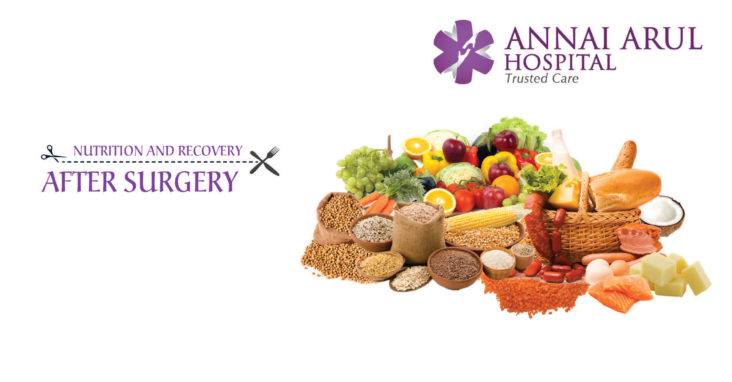
Most of us would have experienced the challenges of recovering from a surgery, sometimes as a patient or as a caregiver. After a surgery the body needs lots of support for it to heal and recover. The process can include resting, medications, physiotherapy and most important of all a well planned nutrition schedule that is specific to the surgery and wound healing a patient needs.

Nutrition plays an important part in the process of recovery after a surgery. When you have a wound to heal then your body cells have to recover since they may be damaged. The body cells have to re-grow and replace the damaged tissue in the wound. The building blocks for cell development come mainly from the food or nutrition we take. When the nutrition is not proper then cell growth can be sluggish, which means healing will take longer and this may even lead to further problems.

Let us look generally at what sort of nutrition to take and what to avoid for proper recovery. Always consult your doctor along with the hospital nutritionist to arrive at a proper nutrition plan.

Anti-inflammatory food

It is of prime importance that any post-operative diet should steer clear of inflammatory foods like processed products, preserved foods, preservative laden foods, gluten containing foods, excessive sugar, trans fats and excess of omega6 oils like corn oils and soya bean oils.

Go for foods that prevent inflammation like foods rich in omega 3 fatty acids like flax seed contains anti-inflammatory omega 3 fatty acids along with antioxidant substances called lignans that helps supports digestive health faster recovery after surgery. . Fruits like pineapple and papaya can be consumed for their anti-inflammatory enzymes. It is also very important to stay well hydrated and eat a balanced diet during the first few days of recovery.

High Protein food

 When you have a major surgery and you are recovering then the first few days are of hectic activity where your body will be working overtime to repair the damaged tissue.

It is very important that there is a steady supply of amino acids during this time to help the healing process and set it on its path to success. Whole proteins from animal and plant sources are the best to have. You can also try protein powders if you find trouble eating at the beginning of our recovery phase.

Probiotics

Before any surgery the patient is administered some kind of intravenous antibiotics in order to prevent post surgical infections. The negative side of these antibiotics is that they in turn kill the beneficial bacteria in the stomach and promote antibiotic-resistant strains of bacteria. The beneficial bacteria is supposed to be important for maintaining strong immune system, good digestion and for right nutrient absorption, which ultimately together aids in bringing a successful recovery. Probiotics can be plentiful in fermented foods like pickles, yoghurt and kimchi and all these are powerhouses of probiotics.

Vitamin C foods

Vitamin C should be an important part of the nutrition plan for post surgical recovery since they help towards skin cell growth. They actually help in the formation of collagen in the skin. Vitamin C also helps in preventing anaemia because they assist in absorption of  iron. Most fresh fruits and vegetable are high in vitamin c but citrus fruits and green vegetable are the most beneficial ones.

Zinc containing food

Zinc helps in the formation of new tissue and skin. Post surgical patients definitely need to increase the intake of zinc in their food. This will help in healing the wound faster. The best sources of zinc include meat, shellfish and all the dairy products.

Read More

DO YOU KNOW SOME SURPRISING THINGS THAT CAN AFFECT KIDNEY?

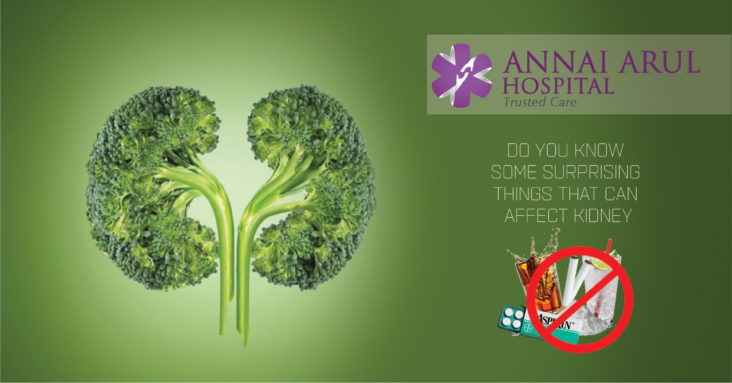
There are so many reasons that can affect the health of your kidney. The reasons can be natural, made or genetical. Here are some of the reasons:

Protein Overload

Protein is an essential part of a healthy diet but too much of it in the body leads to serious health problems like kidney failure. This is because the kidneys have to work extra long to remove the extra protein and thereby stress themselves out. It is best to eat small portions of eggs, fish, meat, vegetables and nuts at a time.

Excess of Salt

Excess of salt will result in the blood pressure rising and speed up kidney damage. Excess salt also leads to kidney stones which causes nausea, heightened pain and trouble while passing urine.

Habit of Smoking

Smoking is a dangerous habit that leads to many health hazards. It can lead to high blood pressure and type 2 diabetes. This in turn can lead to kidney failure. Again smoking can affect the effectiveness of medicines taken to treat the above health problems. Smoking also damages blood flow to the kidney and this causes kidney problems in those already suffering from kidney diseases.

Heavy Alcohol Drinking

Men and women who are heavy drinkers and have more than 14 or 7 drinks per week respectively  double the risk of kidney disease. This is not always the case and sometimes having four or five drinks in less than 2 hours can cause ‘acute kidney injury’, leading to serious kidney damage. In such cases the patient will need dialysis to keep the kidneys working.

Regular Use of Sodas

Many adults and children have the habit of reaching for a soda to quench their thirst. If you drink 2 or more sodas every day, then you are a candidate for some serious kidney disease. Those who drink sodas have kidneys that worked 30% less after 20 years compared with others who maybe took some sugar sweetened soft drink.

Watch for Dehydration

There is no doubt that kidneys need the right amount of water to work efficiently. Without enough supply of water on a regular basis can cause severe kidney damage. To check whether you are drinking enough water, you can check the colour of your urine. If the urine is light yellow in colour then your intake of water is sufficient. A darker colour or brown colour to the urine means your kidney has some sort of problem.

Use of certain Medicines

Regular high dose of certain medicines especially pain control medications like aspirin and ibuprofen can cause kidney damage. This does not mean you have to avoid them when required. The best option is to consult your doctor before taking the medicines and get them in the right dosage for you.

Use of illegal Drugs

Habitual use of illegal drugs like cocaine, heroin or meth can cause permanent kidney damage. These drugs hike the blood pressure and thus become one of the main factors for resultant kidney disease.

Over Exercising

Working out or exercise is good for the body but as usual too much is too bad. Too hard at work out for too long can cause a condition in which the muscles get damaged and tissue breaks down very fast. This condition dumps impurities into the blood that can finally hurt the kidneys resulting in kidney failure. It is right to build up a workout gradually and not make them intense suddenly. If at all you have severe muscle pain and dark coloured urine you should not wait to consult your doctor.

Read More