Happy Independence Day
Celebrating the bravery of our ancestors and their gift of freedom

Happy Independence Day
Celebrating the bravery of our ancestors and their gift of freedom
“Healthy Heart, Healthy Life”
Regular heart check-ups are crucial for maintaining good cardiovascular health and early detection of potential heart-related issues. Here’s why they are important:
In addition to regular check-ups, it’s important to maintain a heart-healthy lifestyle. This includes eating a balanced diet, getting regular exercise, maintaining a healthy weight, avoiding tobacco, and managing stress. If you have any concerns about your heart health, it’s always best to consult with a healthcare professional at a multispecialty hospital in Tambaram like Annai Arul Hospital.
Maintaining a heart-healthy lifestyle involves several key components. Here are some tips:
Remember, it’s always best to consult with a healthcare professional before starting any new diet or exercise program.
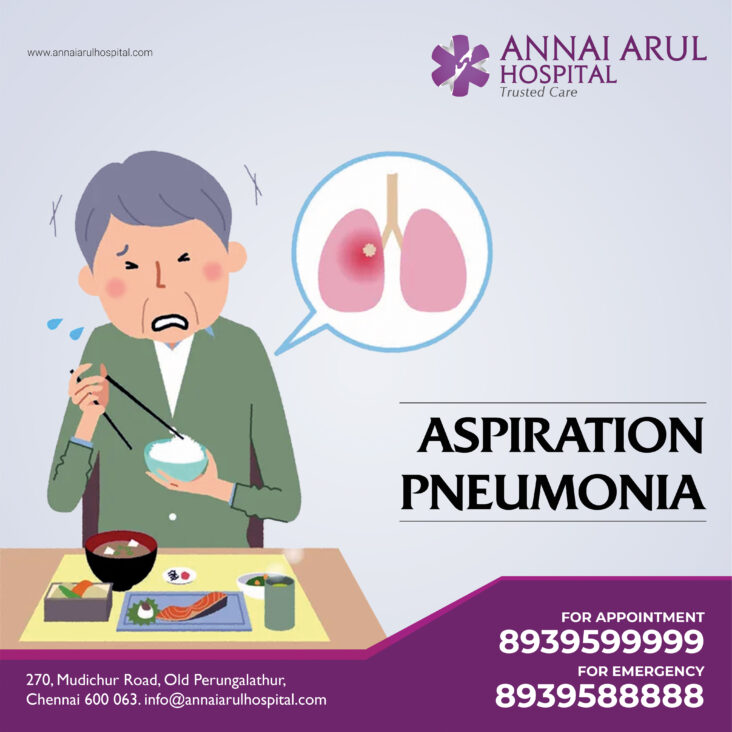
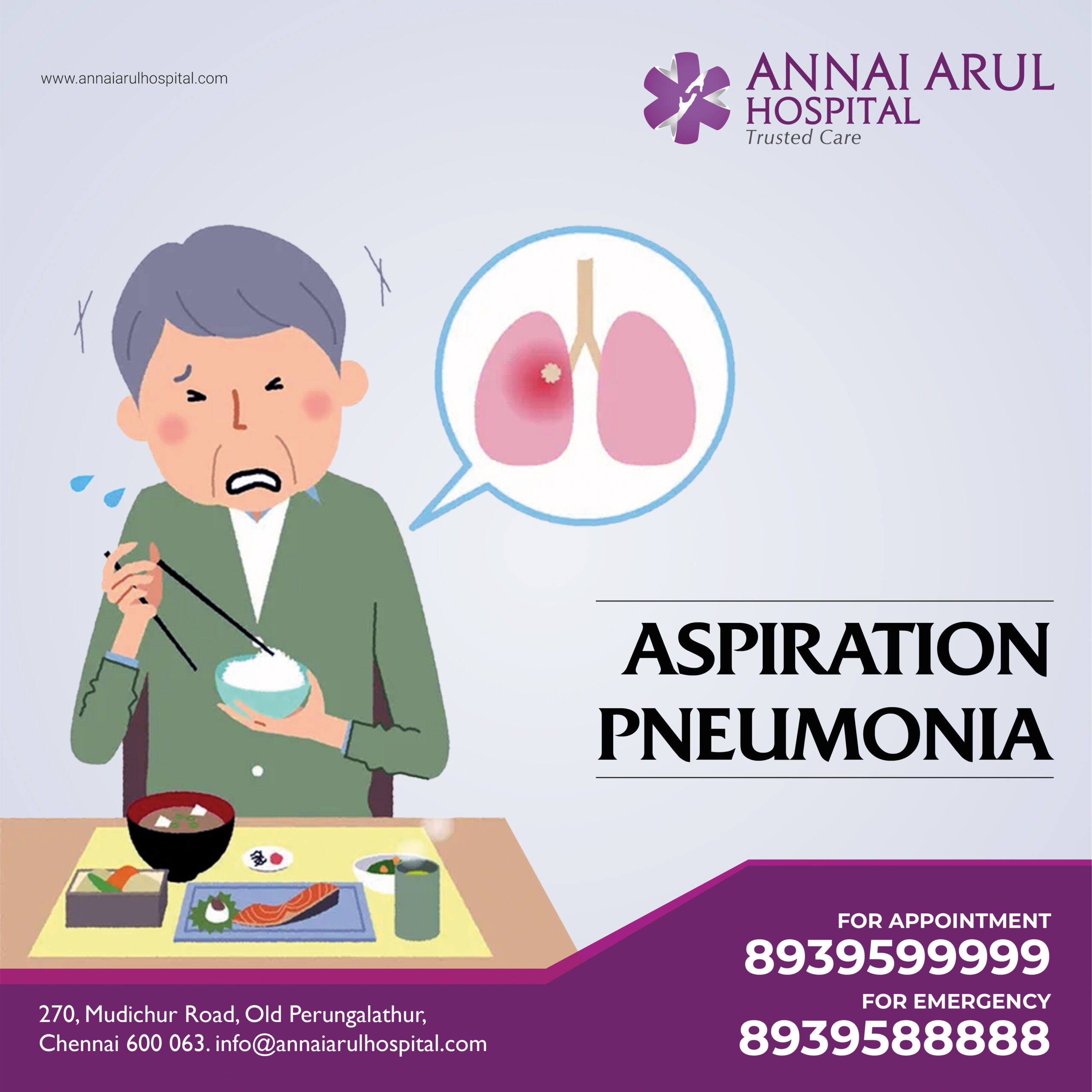
Aspiration pneumonia is a serious medical condition that occurs when a person inhales food, liquid, or other substances into their lungs. This can lead to inflammation and infection in the lungs, which can cause severe respiratory problems and even death if left untreated. Consulting a doctor at Annai Arul Hospital is vital for the timely treatment of aspiration pneumonia.
Symptoms of aspiration pneumonia may include coughing, chest pain, difficulty breathing, fever, and fatigue. These symptoms can be mild or severe, depending on the amount and type of material that is aspirated. In some cases, aspiration pneumonia may be asymptomatic, meaning the person may not experience any symptoms.
Aspiration pneumonia can affect anyone, but it is more common in older adults, people with a weakened immune system, and those with a history of swallowing difficulties or neurological disorders. It can also occur in people who have undergone surgery or have a feeding tube. At Annai Arul Hospital, doctors will perform a thorough physical examination and medical history to determine the cause of pneumonia. They may also order diagnostic tests such as chest X-rays, sputum cultures, and blood tests to confirm the diagnosis and determine the severity of the infection.
Treatment for aspiration pneumonia may include antibiotics to fight the infection, oxygen therapy to help with breathing, and respiratory therapy to remove any secretions from the lungs. In severe cases, hospitalization may be required for close monitoring and supportive care.
Prevention of aspiration pneumonia is important, especially for those who are at higher risk. This can include taking small bites of food, chewing food thoroughly, and avoiding lying down immediately after eating. It is also important to avoid drinking alcohol or taking sedatives before eating, as these can impair swallowing and increase the risk of aspiration.
If you or a loved one is experiencing symptoms of aspiration pneumonia, it is important to seek medical attention right away. The experienced doctors at Annai Arul Hospital can provide prompt and effective treatment to help prevent complications and promote a full recovery.
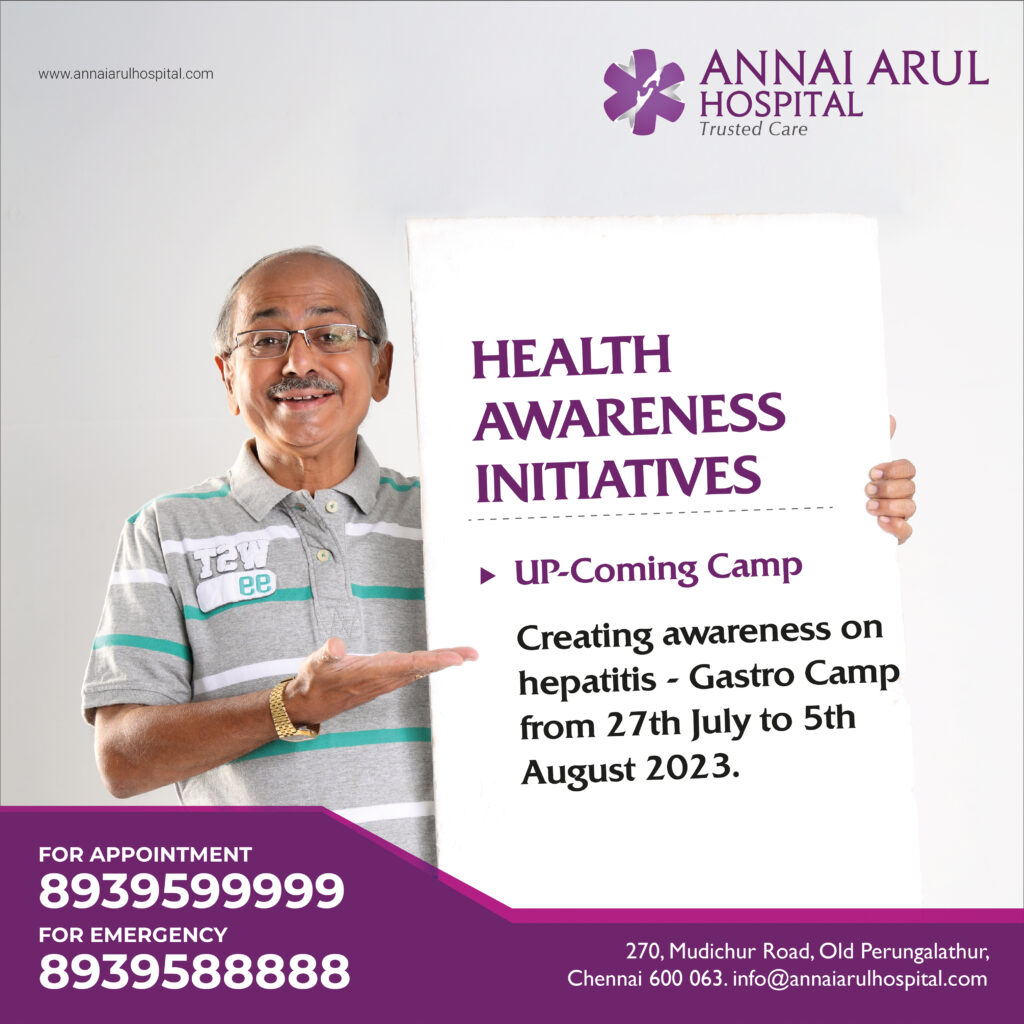
Health Awareness Initiatives
*Annai Arul Hospital actively engages in health awareness initiatives to promote preventive care.
*Regular health camps and screenings are organized to reach out to the community and detect health issues early.
*The hospital’s commitment to health promotion fosters a healthier community and empowers individuals to take charge of their well-being.
Up-Coming Camp
Creating awareness on hepatitis – Gastro Camp from 27th July to 5th August 2023.
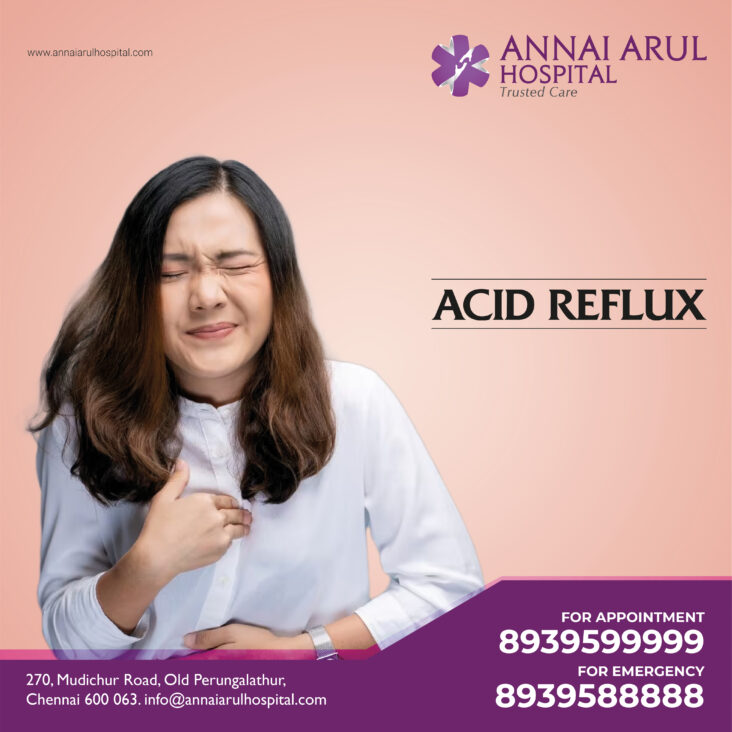
Acid reflux disease, also known as gastroesophageal reflux disease(GERD), is a chronic condition that affects millions of people worldwide. It occurs when stomach acid or bile flows back into the esophagus, causing irritation and inflammation. While occasional acid reflux is normal, frequent episodes can lead to serious health problems if left untreated.
Symptoms of acid reflux disease may include heartburn, a burning sensation in the chest, regurgitation of food or liquid, difficulty swallowing, and a persistent cough. These symptoms can be uncomfortable and disruptive to daily life, and they can also lead to more serious complications if left untreated.
One of the most serious complications of acid reflux disease is esophagitis, which occurs when the lining of the esophagus becomes inflamed and damaged from repeated exposure to stomach acid. This can lead to bleeding, ulcers, and scarring of the esophagus. Over time, this scarring can narrow the esophagus, making it difficult to swallow and increasing the risk of developing esophageal cancer.
Fortunately, acid reflux disease can be treated with a variety of medications and lifestyle changes. Over-the-counter antacids can provide temporary relief from heartburn and other symptoms, while prescription medications can reduce the production of stomach acid and prevent reflux. Annai Arul Hospital has the best gastroenterologist. Diagnostic services for gastric services like colonoscopy and endoscopy are also provided under one roof.
Lifestyle changes can also be effective in managing acid reflux disease. These include avoiding trigger foods such as spicy or fatty foods, quitting smoking, losing weight if overweight or obese, and elevating the head of the bed to reduce night time reflux.
If left untreated, acid reflux disease can lead to serious health problems. It is important to seek medical attention if you experience frequent or severe symptoms of acid reflux, as early detection and treatment can help prevent complications and improve your quality of life.
Elevating the head of the bed is a simple and effective way to reduce night time reflux. By using gravity to keep stomach acid from flowing back into the esophagus, this technique can provide relief for those who suffer from acid reflux disease. In addition to elevating the head of the bed, there are several other lifestyle changes that can help manage symptoms of acid reflux. These include avoiding trigger foods such as spicy or fatty foods, eating smaller meals more frequently throughout the day, and avoiding lying down immediately after eating. It is also important to maintain a healthy weight and avoid smoking, as both of these factors can contribute to acid reflux disease. If you experience frequent or severe symptoms of acid reflux, it is important to seek medical attention. Your doctor may recommend medications or other treatments to help manage your symptoms and prevent complications such as esophageal damage or cancer. With early detection and treatment, most people with acid reflux disease are able to live healthy and comfortable lives.