Share on                    

Opening Hours : 24 x 7
  Contact : Emergency: +91 8939 59 9999

All Posts in Category: Blog

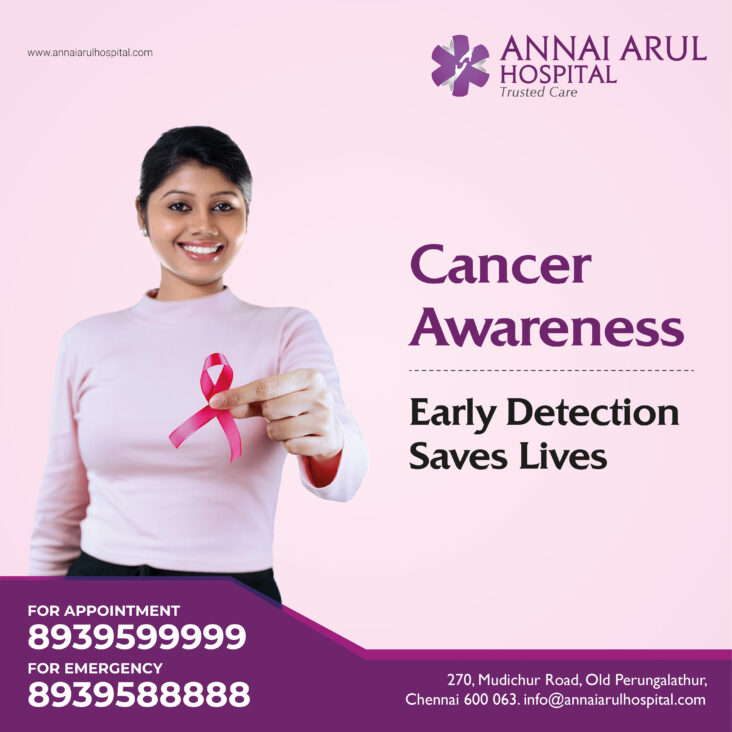
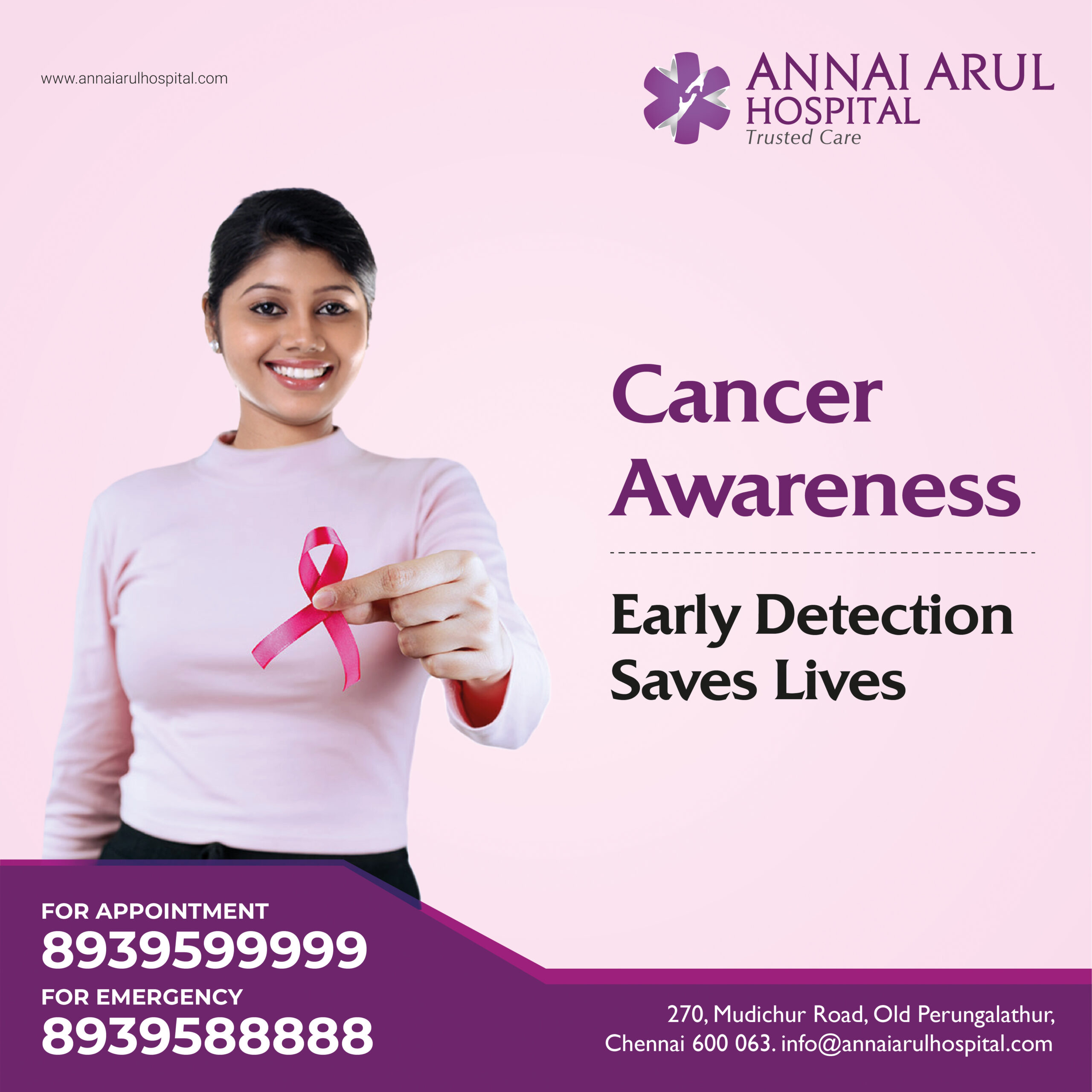
Cancer Awareness: Early Detection Saves Lives

Awareness of common cancer symptoms and the importance of early detection is crucial.

Cancer is a group of diseases characterized by the uncontrolled growth and spread of abnormal cells. It can affect anyone, regardless of age, gender, or lifestyle. While it can be a daunting topic, awareness and early detection can significantly improve the chances of successful treatment and survival.

Common Cancer Symptoms :

While specific symptoms can vary depending on the type of cancer, some common signs include:

*Unexplained Weight Loss: An unexpected weight loss of 10 pounds or more could be an early sign of cancer. This is most common in cancers of the pancreas, stomach, esophagus, or lung.

*Persistent Fatigue: While fatigue can be a common symptom of various conditions, constant, unexplained fatigue that doesn’t get better with rest can sometimes indicate cancer.

*Skin Changes: Changes in the skin can be a sign of skin cancer. This includes changes in the size, shape, or color of a mole or other skin lesion or new growth on the skin.

*Pain: Pain that doesn’t go away can be a symptom of various types of cancer, including bone and testicular cancer. Headaches that persist can sometimes be a sign of brain cancer

*Changes in Bowel or Bladder Habits: Persistent changes in your bowel habits, including diarrhea or constipation, or changes in the color or consistency of your stool, can be a sign of colon cancer. Frequent urination, blood in the urine, or changes in bladder function can be symptoms of bladder or prostate cancer.

*Difficulty Swallowing: Throat or esophageal cancer can cause difficulties with swallowing.

*Unusual Bleeding or Discharge: Unusual bleeding can occur in early or advanced cancer. Coughing up blood may signal lung cancer. Blood in the stool could be a sign of colon or rectal cancer.

The Importance of Early Detection :
Early detection of cancer significantly increases the chances of successful treatment. Two key components of early detection are regular selfexaminations and screening tests. Regular self-examinations can help you become familiar with your body and notice any changes. Screening tests like mammograms, Pap tests, and colonoscopies can detect cancer in its earliest stages, often before symptoms even appear.
Remember, having any of these symptoms does not necessarily mean you have cancer. Many of these symptoms can also be caused by noncancerous conditions. However, it’s important to listen to your body and report any persistent or unusual symptoms to your healthcare provider promptly.
Together, we can fight cancer through awareness, early detection, and timely treatment. Annai Arul Hospital is one of the top hospitals in Tambaram providing cancer surgery in Tambaram and a complete spectrum of medical and surgical cancer care.

Read More

Diet for a Healthy Heart

  • Consume a balanced diet rich in fruits, vegetables, whole grains, and lean proteins.
  • Reduce salt intake to maintain blood pressure levels within a healthy range.
  • Limit the consumption of processed foods, sugary beverages, and high-fat foods.
  • Avoid excessive alcohol consumption, which can raise blood pressure and contribute to heart issues.
Read More

State of the Art Facilities

1.Annai Arul Hospital boasts modern and advanced medical facilities to deliver top-notch healthcare services.
2.Equipped with cutting-edge technology, the hospital ensures accurate diagnoses and effective treatments.
3.The hospital’s infrastructure is designed to provide a comfortable and healing environment for patients and their families.
4.Highly skilled medical professionals utilize state-of-the-art equipment to deliver personalized and evidence-based care.

Read More

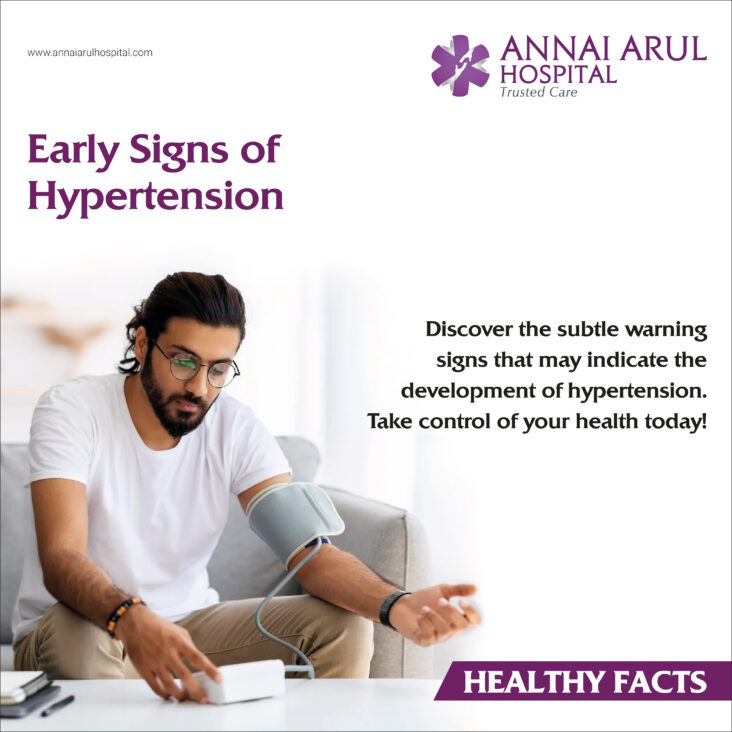
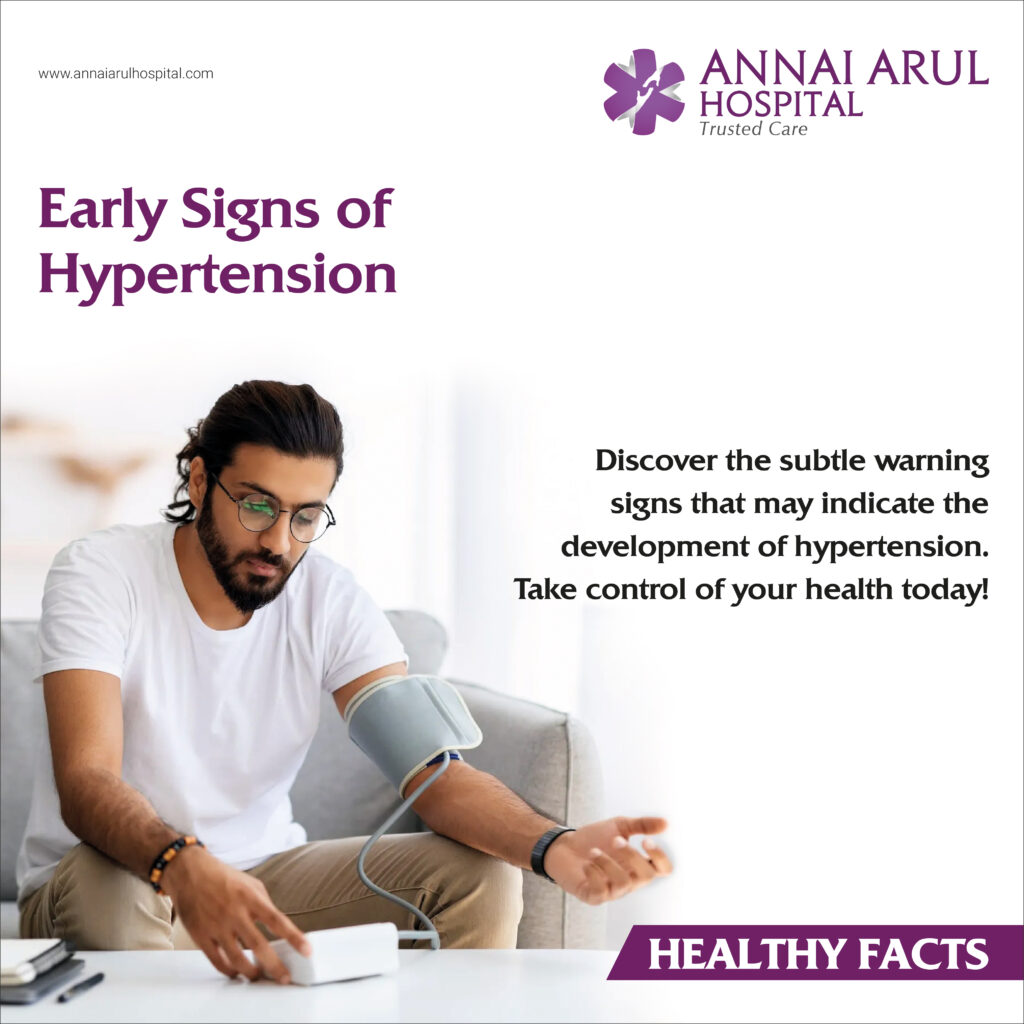
Early Signs of Hypertension

Early Signs of Hypertension:

Discover the subtle warning signs that may indicate the development of hypertension. Take control of your health today!

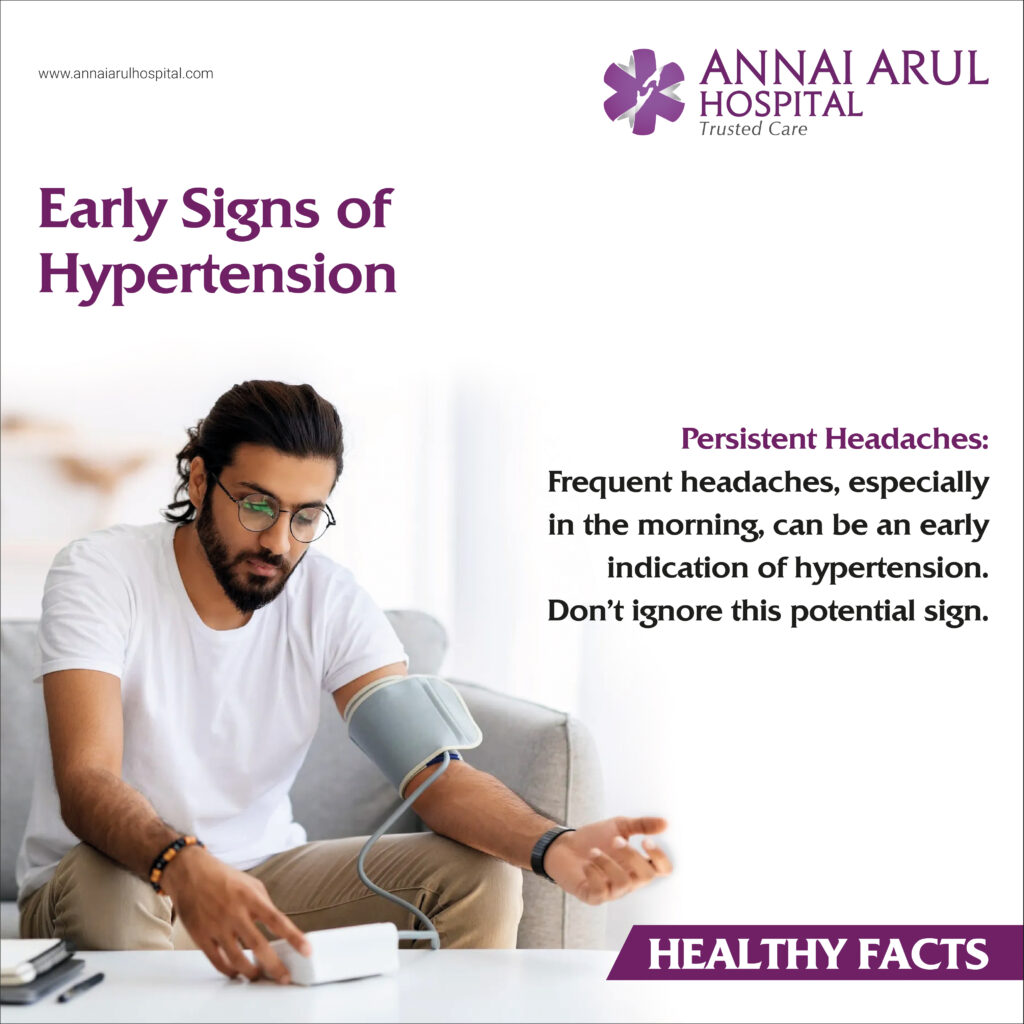
Persistent Headaches:
Frequent headaches, especially in the morning, can be an early indication of hypertension. Don’t ignore this potential sign.

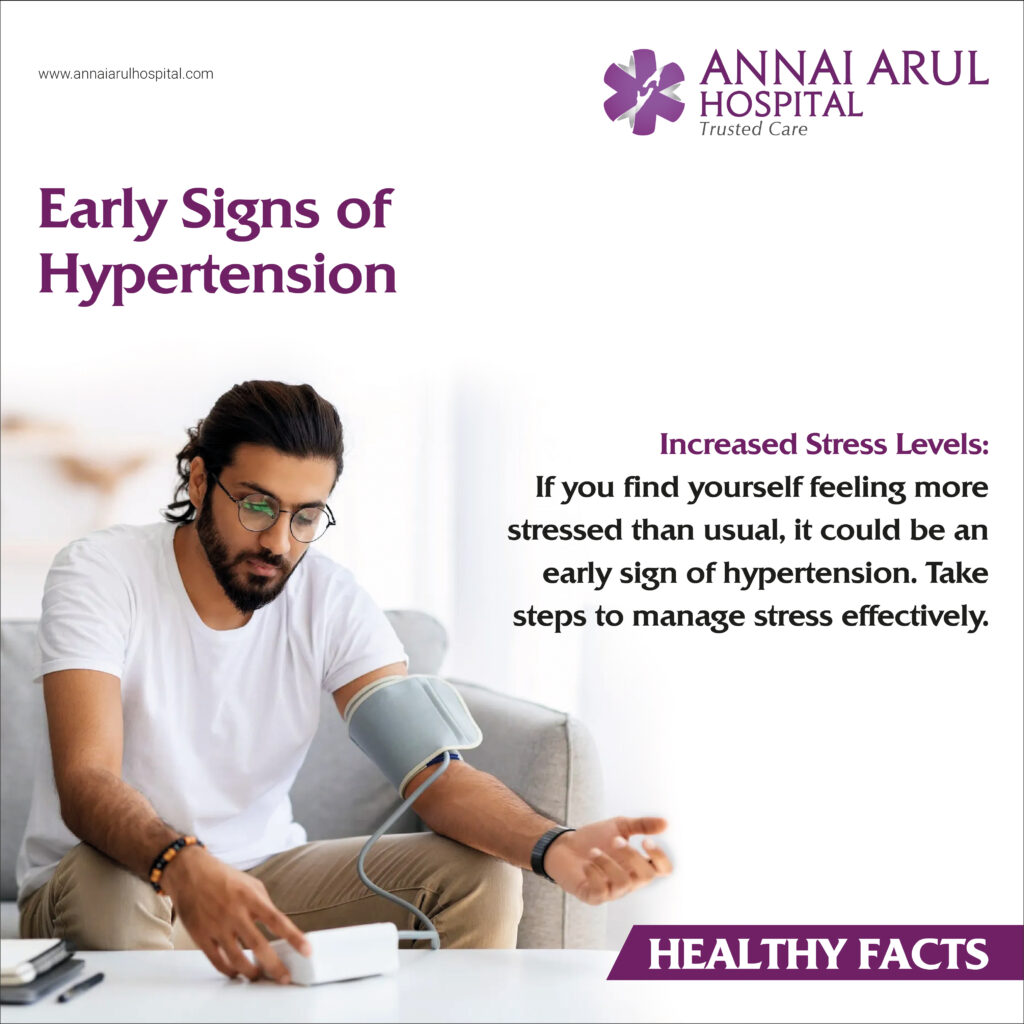
Increased Stress Levels:
If you find yourself feeling more stressed than usual, it could be an early sign of hypertension. Take steps to manage stress effectively.

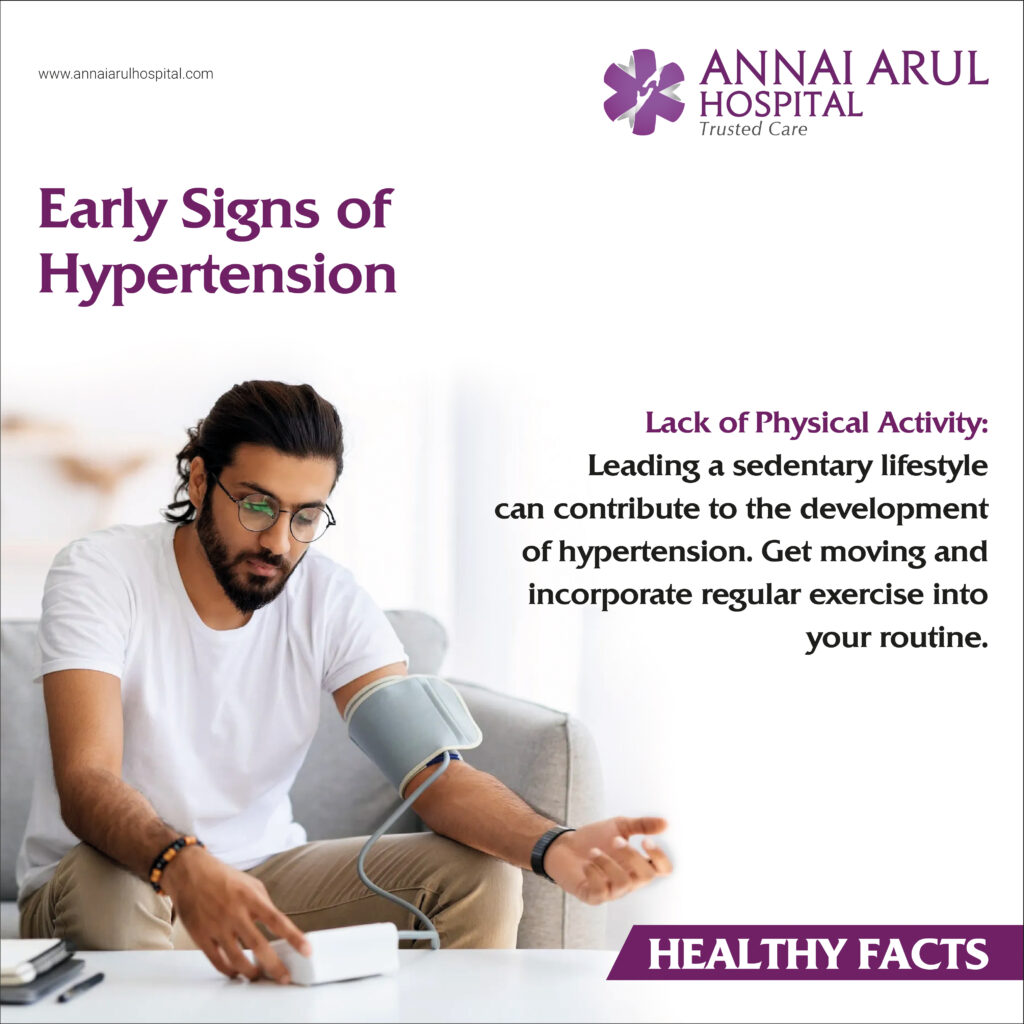
Lack of Physical Activity:
Leading a sedentary lifestyle can contribute to the development of hypertension. Get moving and incorporate regular exercise into your routine.

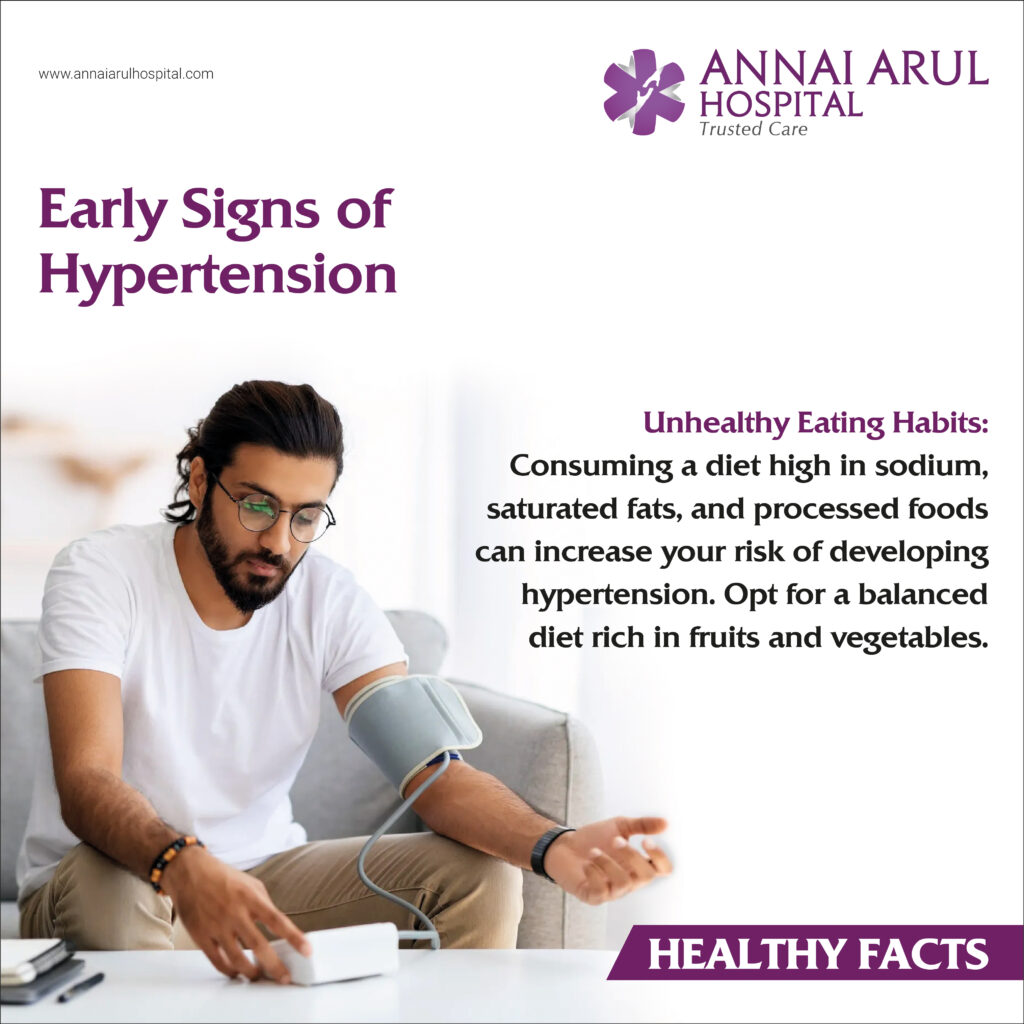
Unhealthy Eating Habits:
Consuming a diet high in sodium, saturated fats, and processed foods can increase your risk of developing hypertension. Opt for a balanced diet rich in fruits and vegetables.

Read More

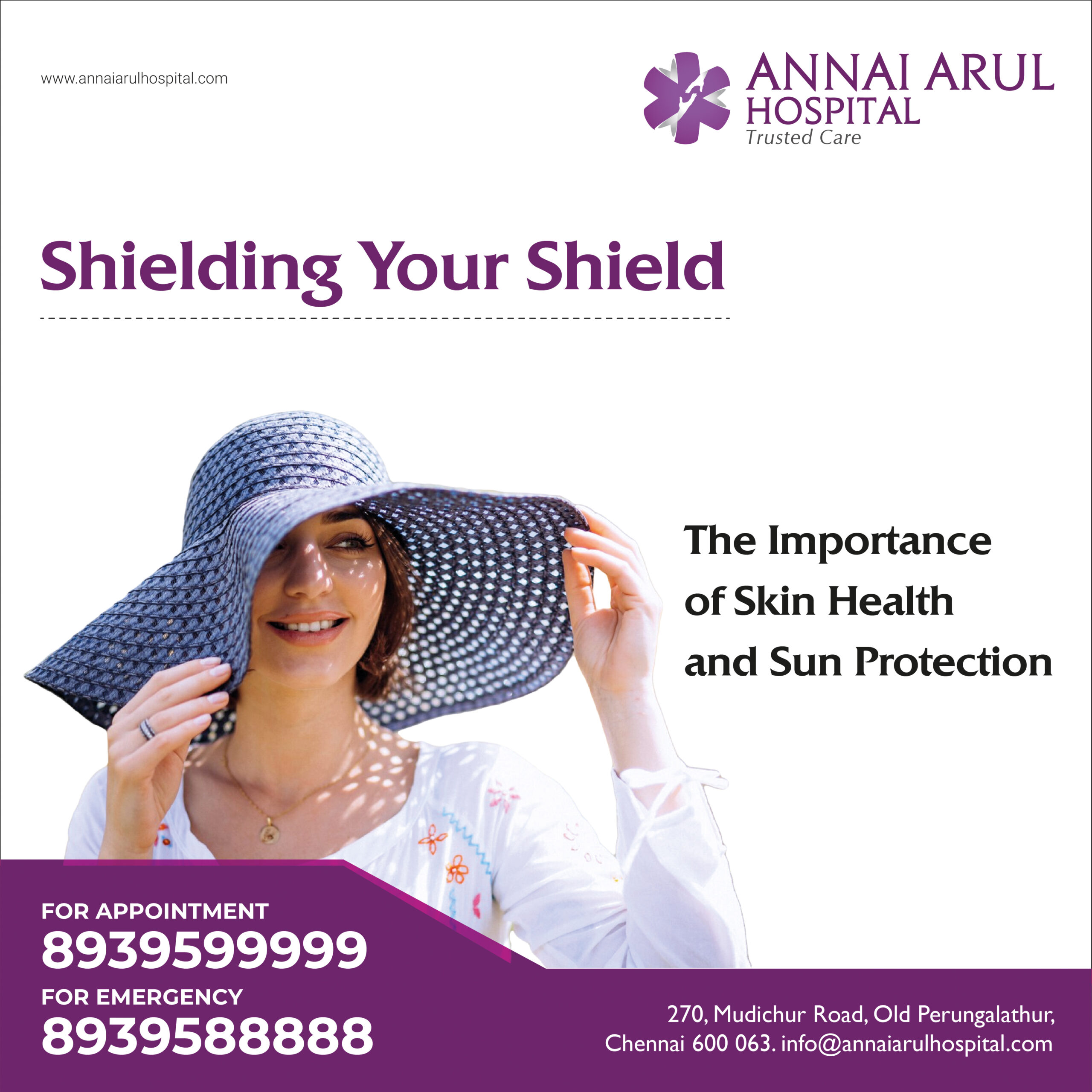
Shielding Your Shield: The Importance of Skin Health and Sun Protection

Our skin, the body’s largest organ, serves as a protective barrier against harmful elements. It regulates body temperature, prevents water loss, and even synthesizes Vitamin D. However, it’s also exposed to various damaging factors, including the sun’s harmful ultraviolet (UV) rays.

Here’s why skin health and sun protection are crucial, along with some common skin conditions to be aware of:

Skin Health and Sun Protection :

Importance of Skin Health: Healthy skin is vital for our overall wellbeing. It plays a crucial role in protecting us from pathogens and excessive water loss. It’s also involved in the production of vitamin D, which is essential for bone health.

Sun Protection: Overexposure to the sun’s UV rays can lead to skin damage, premature aging, and an increased risk of skin cancer.

Here are some tips for sun protection:

Use Sunscreen: Apply a broad-spectrum sunscreen with an SPF of at least 30, even on cloudy days. Reapply every two hours after swimming or sweating.

Seek Shade: Avoid the sun during peak hours (10 a.m. to 4 p.m.), when UV rays are strongest.

Wear Protective clothing. Long-sleeved shirts, long pants, wide brimmed hats, and sunglasses can provide additional protection.

Common Skin Condition:

1.Acne: This is a common condition that causes spots and pimples, especially on the face, shoulders, back, neck, chest, and upper arms. It’s most common among teenagers, but it can affect people of all ages.

2.Eczema: Also known as atopic dermatitis, eczema is a condition that makes your skin red and itchy. It’s common in children but can occur at any age.

3.Psoriasis: This is a chronic disease that causes red, itchy, and scaly patches, usually on the knees, elbows, trunk, and scalp. It’s associated with other serious health conditions, such as diabetes, heart disease, and depression.

4.Skin Cancer: This includes melanoma, basal cell carcinoma, and squamous cell carcinoma. Regular self-examinations and dermatologist check-ups can help detect these conditions early.

Remember, your skin is unique to you. What works for one person might not work for another. Always consult with a dermatologist or healthcare professional for advice tailored to your specific needs.

Together, let’s prioritize skin health and protect our skin from the sun’s harmful rays.

Nature’s Touch: Home and Natural Remedies for Common Skin Issues

Our skin is a reflection of our overall health and well-being. While there are numerous skincare products available on the market, sometimes the best remedies can be found right at home or in nature. Here are some home and natural remedies for common skin issues:

1.Dry Skin

Dry skin can be a result of various factors, including weather, aging, or underlying skin conditions. Here are some remedies:

Olive Oil and Sugar Scrub: Mix equal parts of olive oil and sugar to create a natural scrub. This can help exfoliate your skin and lock in moisture.

Honey: Known for its moisturizing and antibacterial properties, honey can be applied directly to the skin as a natural moisturizer.

2.Acne

Acne is a common skin condition that causes pimples, blackheads, and whiteheads. Here are some natural remedies:

Tea Tree Oil: Dilute a few drops of tea tree oil with 20 to 40 drops of witch hazel and apply to the skin once or twice a day with a cotton swab. Tea tree oil has antibacterial properties that can help fight acne.

Apple Cider Vinegar: Mix one part apple cider vinegar with three parts water. Apply it to your skin with a cotton ball. Rinse thoroughly afterward.

3.Oily Skin

Oily skin can lead to clogged pores and acne. Here are some home remedies:

Aloe Vera: Aloe vera has properties that can soothe the skin and help reduce oiliness. Apply a thin layer to your face before bedtime and leave it on until the morning.

Tomatoes: Tomatoes contain salicylic acid, a common acne home remedy. The acids in tomatoes may help absorb excess skin oils and unclog pores.

4. Dark Circles and Puffy Eyes

Lack of sleep, aging, and genetics can contribute to dark circles and puffy eyes. Here are some remedies:

Cucumber: Cucumbers have a cooling effect that can help reduce puffiness. Place cool cucumber slices on your eyes for about 10 minutes.

Tea Bags: Tea contains caffeine and antioxidants that can help stimulate blood circulation, shrink your blood vessels, and reduce liquid retention beneath your skin. Soak two tea bags in warm water, and then chill the bags for a few minutes in the refrigerator. Place one tea bag on each eye for five minutes.

Remember, everyone’s skin is different, and results may vary. Always do a patch test on a small area of your skin to ensure you don’t have an adverse reaction to any of these remedies. For persistent skin issues, it’s always best to consult with a dermatologist or healthcare professional.

Embrace the power of nature and give your skin the care it deserves!

Read More