Share on                    

Opening Hours : 24 x 7
  Contact : Emergency: +91 8939 59 9999

All posts by admin

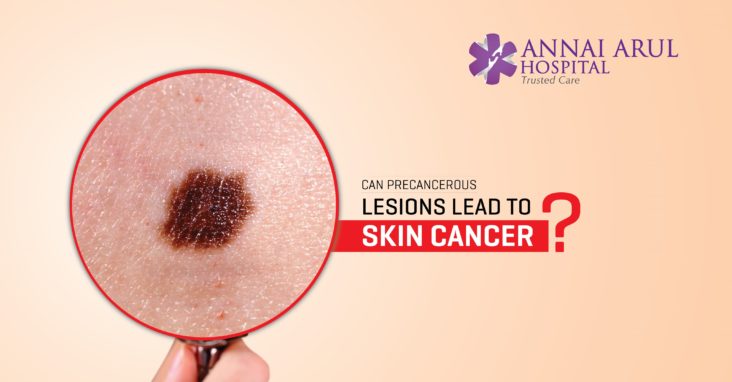
CAN PRECANCEROUS LESIONS LEAD TO SKIN CANCER?

Most often we do not take any spot or discolouration on our skin very seriously, thinking that it may go away. Sometimes you notice a spot on the arm or leg that was not there before and head to your dermatologist to find out what it is. After examining the spot, the doctor may tell you that it is a precancerous lesion. What does that mean? It is serious and it means that after some time it can develop into cancer. It means you should immediately start treatment or does all these means that you need not do anything about it.
According to medical experts, a precancerous lesion is a change in some areas of the skin that always carries a risk of turning into skin cancer. It is a preliminary state of cancer and requires all our attention and treatment. Although not all precancerous lesions will ultimately turn into cancer, many doctors treat these lesions as a preventive step. The lesion may be removed with minor surgery before it has a chance to turn into cancer.

What are the common types of skin lesions?

ACITINIC KERATOSIS:

It is the most common type of precancerous lesion. These lesions appear in areas of the body that are often exposed to the sun. The lesions often appear as red or flesh coloured scaly areas. The lesions may look similar to a wart. The lesion will have a dry surface and have a rough texture. Many times you may not be aware of the bump until you notice the scales that appear on it. There is a chance of Actinic Keratosis turning into full-fledged carcinoma.

MOLES:

Everyone knows about moles and it is a common occurrence. Most of these moles are benign skin growths and harmless. But some of these moles can potentially develop into cancer over a period of time. If you have moles on your skin and they are changing colour, have an uneven border or becomes very large, you should immediately consult your dermatologist. The more moles you have there is a chance that one or more may develop into skin cancer.

ACITINIC CHELITIS:

This is similar to Acitinic Keratosis but instead of the body skin the scaly patches will appear on the lips. The lips will constantly feel cracked and chapped with small dry and scaly patches. The lips may also swell and show more defined lines. If some scaling and swelling is seen on the lips it is time that you consulted a dermatologist without fail.

CUTANEOUS HORNS:

Those who develop cutaneous horns on their skin should be vary, because these can develop into cancer. The person with cutaneous horms has a higher risk of developing cancer. The horns occur most commonly in elderly people and those with fair skin.

What are the treatments for skin lesions?

Your doctor will decide whether your precancerous lesion requires immediate treatment or not. Usually the doctor will suggest removal of these lesions to minimise the risk of cancer developing. The removal can be through surgery using cryosurgery method or freezing method, excision, electro cautery or laser surgery etc. depending on the type of lesion. Sometimes doctors will conduct a biopsy of the removed lesion to find out if it is carcinogenic.
Read More

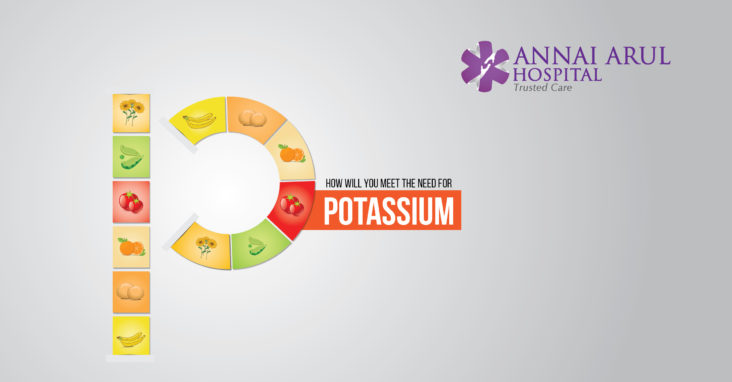
HOW WILL YOU MEET THE NEED FOR POTASSIUM?

Potassium is a kind of mineral that helps control the working of our cells. It enables the creation of electric impulses that lets the cells do their jobs. The working of nerves, the muscles and even the heart is dependent on getting enough of potassium; otherwise their normal working is affected.

How much is required?

The potassium need of the body differs with age. A just born to 6 months baby may require just 400 milligram, a 9- 13 year child required 4500 milligram whereas a pregnant mother may require 5,100 milligram of potassium.

Slows down Osteoporosis

Osteoporosis is the weakening of the bones. A diet rich in meat and dairy products will result in production of acid in the body which may help weaken the bones. But a diet rich in vegetables, greens and fruits can help maintain the bone strength and prevent osteoporosis.

Prevents Kidney Stone

A diet rich in meat makes your body often get kidney stones. Potassium helps get rid of the acid, which keeps the minerals where they belong, that is in your bones. This prevents the occurrence of kidney stones.

Helps the muscles

Your cells need the right amount of potassium inside and sodium on the outside for them to work normally. Too little or too much on either side of the cell wall can weaken the muscles and make them squeeze involuntarily.

Prevents High BP

Normally blood does exert some pressure on the walls of the veins and arteries but at times this scales up and it known as high BP. This condition can lead to stroke, heart disease and heart failure. The high BP is often a ‘silent killer’ because it sneaks on you without any symptoms. The sodium in the salt makes the condition worse, whereas potassium can help get rid of sodium and eases the pressure on the walls of the blood vessels.

Prevents Stroke

A stroke usually happens when the blood flow is limited or cut off from the part of the brain. Often high BP leads to the blood vessel bursting or getting blocked. You can keep the high blood pressure under control if you have an intake of right quantity of potassium.

Source of Potassium

Bananas

A single banana of medium size has 422 milligrams of potassium. You can take a banana as a snack or slice it into your cereal. If you soak or cook the banana then it will lose the potassium content.

Potatoes

When you take a medium potato and bake it with the skin then it has around 926 milligram of potassium. If you load up the baked potato with butter or cream then you might end up with health problems.

 Oranges

A midsized orange can contain around 237 milligrams. The oranges are also healthy and full of vitamins and minerals.

Likewise tomatoes, beans and sunflower seed also have enough of potassium.

Read More

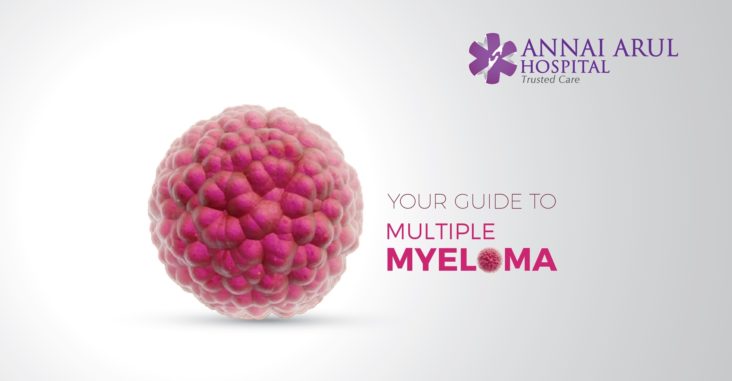
YOUR GUIDE TO MULTIPLE MYELOMA

Myeloma is a type of blood cancer is caused when plasma cells type of WBC that fight infections start to grow out of control. The cells are found in the marrow or the spongy tissue of some of the bigger bones in our body like the vertebra.

What causes multiple myeloma?

It is observed that like many other types of cancer, multiple myeloma has no relevant cause. Even then there are certain things that heighten the chances for multiple myeloma. Age is one major reason; those over the age of 65 year can be affected. Men are more prone to get MM rather than women. Hereditary is yet another cause for multiple myeloma.

What are the symptoms of multiple myeloma?

Since multiple myeloma prevents the formation of healthy blood cells the following symptoms may be seen:

  • Anemia (low red blood cells), causing continuous fatigue
  • Thrombocytopenia (low platelets count) causing bruising and bleeding
  • Leukopenia (low white blood cells), which raises risk of infection
  • Bone Fractures – Myeloma cells make bones weak and prevent growth of new bones
  • Infections – Plasma cells make antibodies to fight germs but abnormal plasma cells crowd out healthy plasma cells and WBC that protect from infection
  • Confusion and dizziness
  • Kidney problems
  • Numbness or muscle weakness especially in legs

What are the treatments?

Treatments for multiple myeloma include traditional cancer drugs, chemotherapy and corticosteroids. Other treatment options are Stem Cell Transplant using the patients own stem cells.

Can multiple myeloma be prevented?

Multiple myeloma is not caused by lifestyle choices or it cannot be detected by early screening. You are diagnosed with MM only after y has had it for a while, this makes it difficult to prevent it though later management of multiple myeloma is possible.

Read More

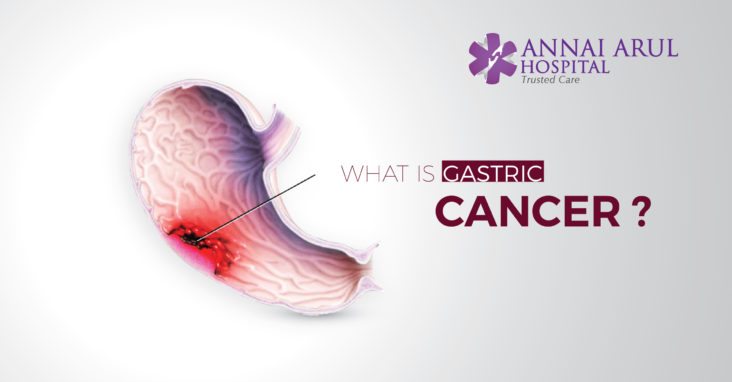
WHAT IS GASTRIC CANCER?

This is a type of cancer that is becoming very common and affects a lot of people. The causes are many. It’s when the healthy cells of the stomach start changing and then grow out of control that you get affected by gastric cancer. It progresses slowly and gets worse over time. It can start in any part of the stomach and then spreads to other areas of the stomach and the body. This cancer can spread to organs like the liver, lungs and even the bones.

There are various types of gastric cancer and some are given below.

ADENO CARCINOMA

This is the most widespread type of gastric cancer and 95% of the cases are affected by this type of carcinoma. The tissue that line the stomach are affected, actually the cells that make mucus and other fluids are the ones that develop the cancer.

OTHER TYPES

The less common gastric cancer is the one that develops in the digestive tract called the carcinoid tumours and gastric sarcoma or lymphomas. These cancers affect the part of immune system or the lymph nodes and thus develop further complications and infections which required immediate medical attention.

WHO CAN GET GASTRIC CANCER?

About 60% of people who get diagnosed with Gastric Cancer are over the age of 65 years. Among this risk age group men are more prone to get this cancer than women. It is also one of the most common type of cancer. In the past gastric cancer was a major one and caused many deaths. With the advent of the refrigerators people started using less of salted and smoked foods which were supposed to cause this cancer.


WHAT CAUSES GASTRIC CANCER?

There are may causes for getting affected with gastric cancer including those mentioned below.

Helicobacter Pylori

Helicobacter Pylori is a kind of bacteria that is known to cause gastric cancer. This bacteria causes ulcers and inflammation in the stomach paving the way for development of cancer cells. There are various strains of these bacteria and they can be treated with antibiotics and that is why it is less common in the present times.

Medical History

There is more chance of contacting gastric cancer if someone in the family has already undergone a surgery for it. Certain medical conditions like serious anemia, stomach polyps and lack of a certain kind of digestive fluid in the stomach cause gastric cancer. You need to have a through medical examination in you suspect any of these conditions.

Certain Lifestyle

The food you take and certain daily habits makes you more prone to get gastric cancer. When you are in the habit of eating lot of smoked foods, salted fish and meat or pickles and picked vegetables you have the risk of developing this cancer. This is more so if you are not eating enough of fresh fruits and vegetables. You are also like to get this caner when you smoke or drink alcohol habitually and when your diet is uncontrolled and you are overweight.


What are the symptoms of Gastric Cancer?

The symptoms of gastric cancer or stomach cancer include:

  • Chronic tiredness
  • Feeling bloated even after eating little bit
  • Heartburns and indigestion
  • Diarrhoea or constipation
  • Frequent stomach pain
  • Weight loss without reason
  • Blood in the stools
  • Vomiting
  • Black Stools
  • Ball rolling movements
Read More

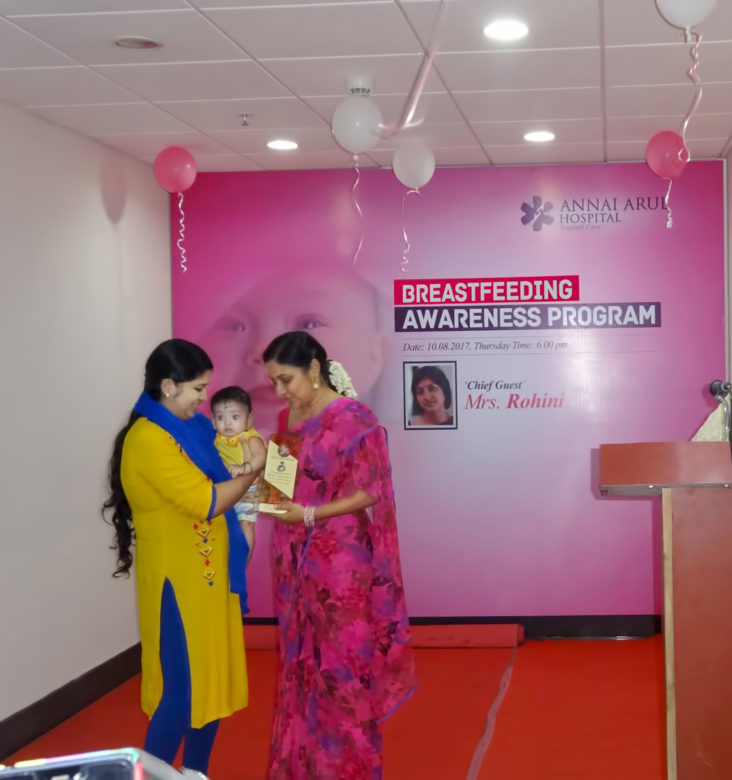
Breast Feeding Awareness Programme

Annai Arul hospital conducted Breastfeeding awareness programme on 10th Aug 2017 at Annai Arul Hospital. The motive of the programme is to eradicate the ignorance and provide information related to the benefits of breast feeding for baby and for mothers’. The programme was graced by the Legendary Actress, Bahubali Fame Mrs. Rohini who gave away the Best Mom Award for the winning mother. Apart from the Best Mom competition frequently questioned questions were addressed by the panel of Gynecologists and Obstetricians Dr. Meena Joseph and Dr. Indira, Pediatricians Dr. Shobana and Dr. Daniel and Dietician Mrs. Hepsiba. Queries related to the time duration required for breast feeding, positioning of baby during feeding, diet required for mothers’ and lot more were discussed.

Read More