Share on                    

Opening Hours : 24 x 7
  Contact : Emergency: +91 8939 59 9999

All posts by admin

WHAT ARE THE SYMPTOMS OF A HEART ATTACK?

When there is a lack of blood supply to the heart, the heart muscle is deprived of the oxygen it needs. Without the oxygen the cells in the heart muscle get damaged or die off. This is what happens in a heart attack and the best thing to do is to restore the blood supply quickly. Seek medical assistance the instance you feel some discomfort or have symptoms of heart attack.

What causes heart attack?

When cholesterol and fatty substances build up they cause a plaque to develop on the blood vessel walls. This makes it difficult for the blood to flow in the blood vessels that take blood to the heart. The heart attack actually occurs when a piece of this plaque breaks and gets lodged in a smaller artery. A blood clot also forms around the broken plaque and together they block the passage of blood in the artery.

What are the symptoms?

The symptoms are usually pain, pressure and discomfort in the chest region. You may also feel shortness of breath, there may be profuse sweating and even faint or feel sick. The neck, jaw or shoulders may also hurt. There may be cold sweat and feel pain down their left arm.

Symptoms in women

Women usually feel back or neck pain, heartburn and shortness of breath. They have stomach trouble including upset stomach and even throw up. Feelings tired, light headed or dizzy are other symptoms in women who experience a heart attack. Women may suffer from flu like symptoms just couple of week prior to a heart attack.

What are the emergency steps?

When somebody suspects a heart attack then they should call for medical help immediately. A person is more likely to survive if they get treatment within 90 minutes of a heart attack. The patient can chew on an aspirin to prevent blood clot and if unconscious they may need a CPR.

What is the diagnosis for heart attack?

An EKG checks the heart’s electrical activity and helps doctors to know if the patient is having a heart attack. It can also show which of the artery has a clog or blockage. Blood tests that test for protein in the blood stream released by blood cells as they perish can be an indicator of a heart attack.

What is the treatment?

Since heart attack is a serious health emergency it is given priority in hospitals. The first task that a doctor wants to perform is getting the blood flowing back to your heart. The experts will administer drugs to dissolve the blood clots or a coronary angioplasty is done to open the blockage if any by flattening the plaque against the blood vessel wall. The doctors may even place a small stent or mesh tube in the blood vessel to keep it open.

Risk factors for heart attack

The chances of getting a heart attack is more as you age and men are more likely to suffer a heart attack than women. The genetic disposition or family history of heart attack is another serious factor. High blood pressure, cholesterol and diabetes are equally important risk factors. Stress, lack of exercise and depression are also risk factors. Smoking is another lifestyle habit that will cause heart attack.

Read More

Department of Critical care conducted a CME

Department of Critical care conducted a CME on 8th Jan 2018 at Radisson Blu Hotel, Chennai. Dr. Mahendran MD., Head of the Critical Care Department – SIMS Vadapalani, was the Chairperson of the programme. Dr. Mohammed Ishaq MD., FNB from Lyell McEwin Hospital, Adelaide (Australia) presented the topic of “Nasal High flow therapy” followed by a healthy discussion about the Nasal high flow oxygen therapy. Dr. Dejan Varghese, MBBS, PGFICCM presented about the “Demography of critically sick patient in suburban area” and Dr.Varun DNB, FHIV provided a glimpse of the “Overview of critical care cases at Annai Arul Hospital. Around 60 practitioners and consultants participated in the programme.

Read More

Christmas Day Celebration

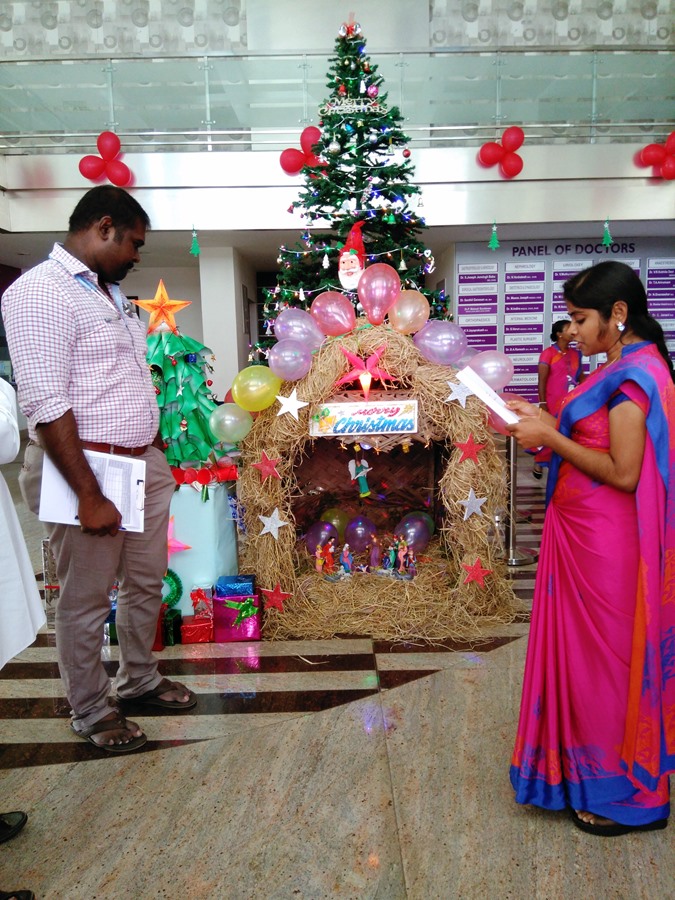
Annai Arul Hospital celebrated Christmas day celebration from 14th Dec till 23rd Dec 2017. Games like Wrapping Christmas gift blindfolded, Finding Santa, etc, and competitions like crib decoration, cake baking, making Christmas tree from recycle material and Christmas carols were conducted for the employees.  Employees from every department participated in all the events and enjoyed the Christmas spirit. It was a joyful season of celebration for all Annai Arul employees.

Read More

HOW TO IMPROVE YOUR HEART HEALTH

The first step to control your heart health is to control the cholesterol levels in your body. Cholestrol is also found in foods from animals like beef, poultry and full fat dairy products. In fact the body needs a fair amount of cholesterol to produce hormone, vitamin D and the bile acids for digesting fat. If the same cholesterol overshoots a certain limit then it leads to the development of health problems since they clog the blood vessels and interrupt the smooth flow of blood in all the vital organs including the heart. Over time the accumulation of high cholesterol leads to heart disease.

It is the liver that produces the necessary cholesterol and circulates it in the body through the bloodstream. The first step to control the production of cholesterol is through our diet. It is thus vital to avoid a diet rich in saturated and trans fats as this can trigger the liver to produce more cholesterol and increase the health risk.

Here are a few steps to improve the heart health.

1. ADD COLOURFUL FRUITS AND VEGETABLES TO MEALS
It has been acknowledged that fruits and vegetables are prime source of nutrients and beneficial to the whole body. They are the key to healthy heart. The colours only make them more appetising when served on the plate.

2. DOWNSIZE YOUR PLATE
Hold back your unhealthy eating habits, this can lead to serious heart health problems. Downsize each meal and make your plate lighter. You can infact think of using a smaller plate which can help you control your portion. A smaller plate also ensures that you avoid the tendency to eat more by feeling a need to clean your plate.

3. EXERCISE REGULARLY
The ideal exercise plan would be to do it for 30 minutes on a 5 day per week schedule. This will reduce body weight, burn excess fat and increase the good cholesterol (HDL) while decreasing the bad cholesterol (LDL). There is no doubt a active life is essential for a healthy heart.

4. CHANGE YOUR COOKING OIL
The recommendation is to replace all other cooking oils even extra virgin olive oil with the more simple Corn Oil. It is more effective in lowering cholesterol levels than olive oil. Corn oil has a neutral taste so it increases the flavour of foods.

5. INCREASE FIBRE INTAKE
When you take foods like oats and barley it increases the fibre content in the body and thus reduces the effects of bad cholesterol. It is suggested to increase the soluble fibre content in food by 5-10 grams each day.

6. REPLACE BEEF WITH FATTY FISH
Beef is a food that increases fat and subsequently bad cholesterol in the body. Comparitively the Omega 3 rich fatty fish helps lower the blood cholesterol level steadily and decreases the risk of cardiovascular diseases.

7. EAT NUTS
For ages nuts have been the food supplement for humans. The benefit of eating nuts are always manifold. One such benefit is the help it extends in controlling body weight and reducing the coronary heart disease. Nuts are known to be a great source of polyunsaturated and monounsaturated fats when they are consumed in moderation.

8. GET AT LEAST 6-8 HOURS OF SLEEP
The best way to lose weight and be active is to catch the right amount of sleep everyday. Those who are sleep deprived show slowness in metabolism and they have difficulty in losing weight. Those with higher body weight have higher levels of cholesterol and are more at risk of developing heart disease.

Read More

DO YOU KNOW ALL SYMPTOMS OF CANCER?

There are various kinds of cancer and their symptoms may also differ. There is the skin cancer which shows changes on the skin, the lung cancer, the breast cancer, oral cancer and bowel cancer etc. Here are a few of the symptoms you can look out for based on the position of the malignant growth in your body.

CHANGES TO THE SKIN

There are different moles and spots occurring on the skin due to various reasons. If a new spot on the skin changes size, shape or colour it could be a sign of skin cancer. Yet another spot that does not look like other spots on the body is also suspicious. If there are any marks that exist on the body and showing some changes than it will be better to get your doctor to examine it and maybe even do a biopsy to look for cancer.

A NAGGING COUGH (Any cough >2 weeks/ blood tinged – consult a doctor)

If you are a non-smoker then there is not much chance of you getting a persistent and nagging cough. It is caused by the postnasal drip, asthma or acid relax and even an infection. If your cough does not go away especially you are a smoker then it’s time to consult a doctor. You could be victim of lung cancer.

CHANGES TO BREAST

Mostly when there is a change to the shape and size of the breast it may not be due to breast cancer. Do a self check or consult your doctor if you suspect some changes. If there are any lumps you can feel or the nipples have changed and there is a discharge, redness or thickening accompanied by pain in your breast then immediately consult a doctor.

BLOATING

New onset dyspepsia, persistent vomiting, loss of appetite, changes in bowel habits.Bloating is considered normal in most cases since you may have it due to your diet or because of stress levels. But if the bloating persists then you have fatigue, weight loss and back pain. The constant bloating in women may be ovarian cancer. You will need immediate medical assistance.

PROBLEM IN URINATION (Blood in urine)

Many people especially men face urinary issues as they grow in age. The various problems may be connected with the urge to go more, leak while urinating and even a weak stream. When you see these symptoms then it may be due to prostate enlargement and at times prostate cancer.

SWOLLEN LYMPH MODES

Lymphs Modes are small bean shaped glands in the neck, armpits and other important places of the body. The lymph nodes get swollen while fighting an infection like cold, flu or throat pain. But certain cancers like lymphoma and leukaemia can also cause this kind of swelling.

BLOOD IN TOILET

If you see blood in the toilet after passing stool then it may be due to some inflamed vein called haemorrhoids, but it could also mean that your colon is affected and it may be a sign of colon cancer. Similarly if there is blood in the urine then it must be due to urinary tract infection or it may be due to kidney or bladder cancer.

CHANGES TO TESTICLES

If there is swelling you noticed in your testicles then you should be careful. A painless lump is a sign of testicular cancer. Sometimes, you may just have a heavy feeling in the scrotum and the testicles may feel larger. A physical examination by the doctor can determine the problem and an ultrasound scan can detect tumours if any.

MOUTH PROBLEMS

Mouth is a place where lot of problems can occur right from a little sore to continuous bad breath. If the sores or patches inside the mouth show white or red patches and it takes a couple of months to heal then you need medical assistance. This is very true of smokers. All this could be sign of oral cancer in the case of smother.

Read More