

Share on                    

Opening Hours : 24 x 7
  Contact : Emergency: +91 8939 59 9999

All posts by admin

ADULT VACCINES TO PROTECT YOURSELF

Everyone should get a flu vaccination every year, is what flu experts are recommending. Each year the vaccine is decided based on the strains of influenza virus that are expected to be widespread that season.  Flu shots are available at all leading hospitals, clinics and doctor’s offices.

 Tetanus Vaccine

 Bacteria that causes tetanus enters the body through a wound or cut. Tetanus leads to severe muscle spasms, stiffness and lockjaw

with inability to open your mouth or swallow. Tdap (tetanus-diphtheria-pertussis) is a one-time vaccine and Td (tetanus-diphtheria) every 10 years is all that you need to prevent it. Pregnant mother should receive 2 dose if not previously immunized.

 Prevent Chicken-Pox

 You can avoid chickenpox (varicella) with some precautions. But still you can get it by being in a room with someone who has it.

Usually adults with chickenpox have a higher risk of complications, hospitalisation and death. Varicella infection is more severe in a pregnant woman and it can be a medical emergency. Chickenpox infection also puts a person at risk of shingles and the chickenpox vaccine offers some protection against it too.

 HPV Vaccine

 HPV vaccines protect men and women against strains of papillomavirus before sexual exposure. The virus causes cervical cancers in women and throat cancers in men. Some available HPV vaccines also protects against genital warts in both sexes. The virus occurs due to sexual contact.

Protect from Meningitis

 Usually young adults who live in college dorms, travelers to certain areas and those who stay in military camps are prone to be affected with meningitis since it spreads fast through such over crowd communities. They should get vaccinated against meningococcal disease which is a leading cause of bacterial meningitis. Each year a lot of people die around the world due to meningitis. Those who don’t die suffer from brain damage or hearing loss.

 Protect from Hepatitis

 Hepatitis virus can affect you without even knowing about it. The risk factors of hepatitis A include consuming contaminated food and water.  An infected person may spread it by not washing hands after going to the toilet. Hepatitis B spread by contact of blood or body fluid from the infected person. Sharing needles during drug use is also another reason and same sex practice. Hepatitis B can lead to serious damage and even death. Consult your doctor for a Hepatitis shot. Hepatitis A : 2 dose 6-12

Months apart; Hepatatis B – 3 dose

Similarly protect yourself with vaccines against measles, mumps and rubella or pneumococcus which causes.

Streptococcus Pneumonia : Recommended for younger people with chronic medical problems such as heart disease, diabetes, renal failure, sickle cell anaemia, usually given once> 65 years of age.
Read More

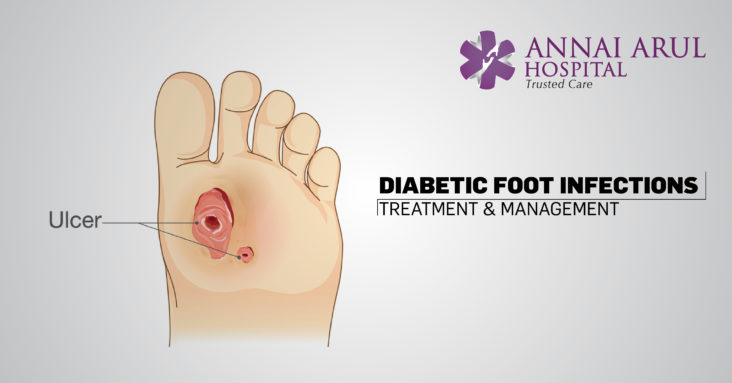
DIABETIC FOOT INFECTIONS TREATMENT & MANAGEMENT

There is a lifetime risk of foot ulcers in patients with diabetes type 1 and 2. Diabetic foot ulcers are the cause for debilitating morbidity and mortality. It accounts for a large percentage of non-traumatic amputations performed every year in hospitals around India. Infected foot ulcers due to diabetes also account for many hospital admissions. All this point to the importance of proper care and management of diabetic foot ulcers in a timely manner.

Risk factors for diabetic foot

There are several risk factors and indicators for diabetic foot. Uncontrolled sugar levels, overweight body and lack of proper treatment. The loss of protective sensation due to neuropathy, prior ulcers or amputations, foot deformity and excess pressure, external trauma, infections, chronic ischemia and peripheral artery diseases are some of the indications of diabetic risk. The risk of non-healing of wounds due to mechanical factors are also of great concern and a cause for diabetic foot ulcers.

What are the symptoms of foot ulcers?

The first signs of a foot ulcer is drainage from the foot which  might stain the socks or the footwear. There may occur some swelling, irritation, redness and a nauseating odour from one or both feet and all these may indicate a foot ulcer. The most visible sign though may be the black tissue which surrounds the ulcer. The tissue turn black because there is no healthy blood flow to the area and results in partial or complete gangrene, which is tissue death due to infection. There may be odorous discharge, pain and numbness in the feet.

Sometimes there may be no sign of foot ulcers until the ulcer has been really infected. You should see a doctor if you see a discolouration in your feet or feel any pain around an area that is callused or irritates.

What are the type of ulcers?

The doctor will identify the ulcers and their seriousness based on a predermined scale of 0 – 3 as follows:

0 – No ulcer but foot will be at risk of getting one in the near future

1 – Ulcer is present but not infected yet

2 – The ulceration has begun and it is deep, exposing the joints and the tendons

3 – Serious ulcer with extensive infection and abscesses

Management and treatment of foot ulcers

Treatment of diabetic foot ulcers requires good management and control. It all begins with control of diabetes or sugar levels and management of other contributing factors like hypertension, hyperlipedemia and heart disease if any. Weight management also has a great impact on controlling the progress of the ulcer. Yet another aspect is the control of renal problems like renal insufficiency, arterial insufficiency, treatment of would infections and offloading of the ulcer followed by appropriate and continuous wound care.

Read More

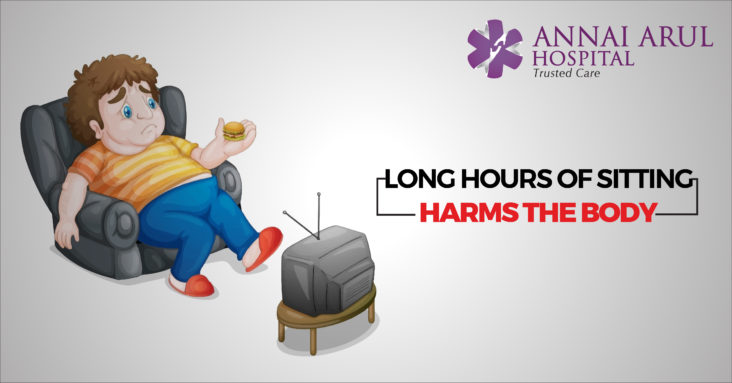
LONG HOURS OF SITTING HARMS THE BODY

Scientists have studied two people in the same profession but doing different tasks, like a driver and a conductor in a bus. Their lifestyle, diet was alike but those who sat for long hours were twice as likely to get heart disease as those who stood during their work.

Shorter life

You are more likely to have an earlier death from any health problem if you sit for long stretches of time. It does not help if you exercise every day or not. It does not mean that you should avoid going to gym. If you do that your life will be even shorter.

Dementia

People who sit too much can develop brain that looks just like that of someone with dementia. Sitting also raises the risk of heart disease, diabetes, stroke, BP and high cholesterol. Keep moving throughout the day even if you are in a sedentary job, it will help to give your brain some sort of change and refreshment that helps in the long run.

 Exercise Undone

Too much of sitting cannot be countered with good exercise. Even if you work out 7 hours a week, you can’t reverse the effects of sitting 7 hours at a time. Don’t waste all the hard work you put in at the gym, by hitting the couch often but keep moving and be active through the day.

Risk of diabetes

Sitting down burns calories slowly and the quantity if of course fewer. Sitting changes the way the body reacts to insulin, the hormone which helps burn sugar and carbs to get energy. This gets to spike of sugar in the blood and giving rise to lifelong diabetes.

GET DVT

Another effect of sitting down for long hours is the occurrence of DVT (Deep Vein Thrombosis). It is a clot that forms in the leg, often because you sit for too long. It can become serious if the clot breaks free and lodges in the lungs. Some people will have swelling and pain in the leg  whereas may will have no symptoms.

Weight Gain

When you sit for long hours watching TV or surf the web then you is more likely to be overweight or obese. Exercise every day is good but it won’t make a huge dent in the extra weight gained. It is always better to limit your sitting time.

Stress & Anxiety

If you are involved in too much screen based activity it can disrupt your sleep and make you feel anxious. Solitude can also make you withdrawn and cause social anxiety. Most of this time is spent either sitting or lying down and this can affect your health.

Back Pain

When you are constantly seated it puts huge stress on your back muscles, neck and spine. It’s even worse if you slouch, so try to sit in an ergonomic chair with right height and support for the back. Remember however comfortable you get, your back will still not take too much of sitting sessions. Get up once in a while and move around to keep your back out of extra stress and pain.

Too much of sitting is seen to cause varicose veins and even your risk of various cancers goes up. So it is always best to get up and get moving as and when time permits.

Read More

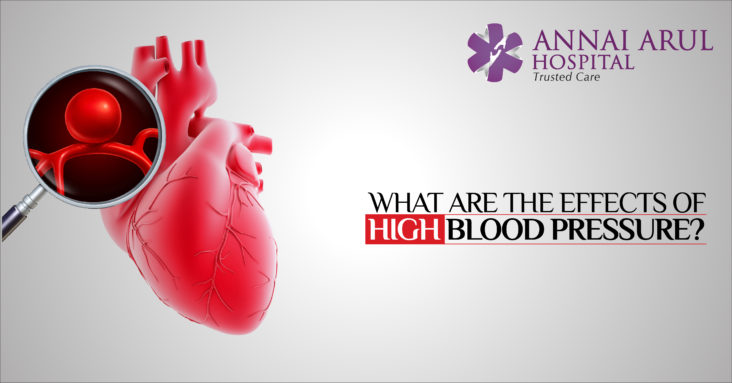
WHAT ARE THE EFFECTS OF HIGH BLOOD PRESSURE?

Everybody knows that high blood pressure causes severe health problems form damage to arteries to strokes and chronic heart problems.

Artery Damage

All arteries should be strong, springy and elastic to move blood easily from lungs and heart to various organs and tissues. High blood pressure pushes hard on the artery walls and damages it. This forms plaque on the walls of arteries and they turn narrow.

Aneurysm

When high blood pressure pushes against the artery wall it weakens. It can break and bleed into the body which is a very serious condition. It can occur anywhere in an artery but most commonly seen in the aorta. A damaged artery can cause aneurysm even it if your BP is under control.

What’s CAD?

CAD can happen when plaque builds up in the arteries that supply to the heart. The blood flow then gets slower, giving rise to chest pain and strange heart rhythm. A total block can lead to a heart attack.

Heart Attack

As the plaque in the artery builds up or when clumps of it come loose, they completely block the artery to the heart and leads to acute heart attack. The blockage starves the heart of oxygen and nutrients. This can cause severe damage to the heart.

Peripheral Artery Disease

PAD unlike CAD, affects the blood vessels that are further away from the heart like those in the arms, legs, head and the stomach. A person may get pain or cramps in the legs, often when they walk or climb stairs. The person may feel chronic tiredness.

The pain will go away when you rest and reappear once you move, if left untreated it can cause serious problems like stroke, ulcers and loss of circulation in the legs. Finally it can even lead to amputation of a limb.

PAD can also cause heart failure, enlargement of heart, stroke, dementia, kidney damage, eye problems, sexual problems and sleep apnea.

Read More

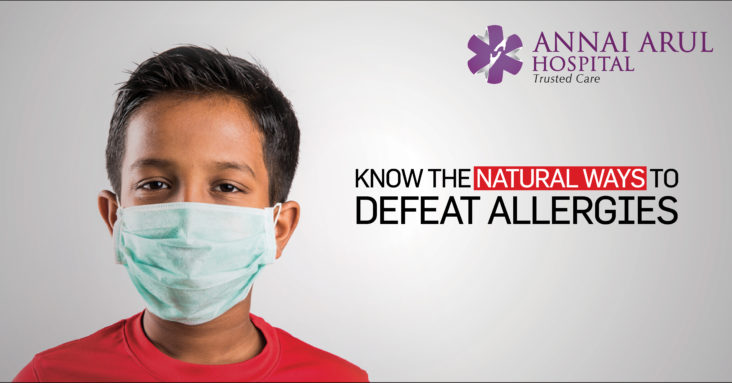
KNOW THE NATURAL WAYS TO DEFEAT ALLERGIES

Allergies exist in many different forms. Allergy symptoms occur when your immune system overreacts to an allergen—something that usually is harmless, such as plant pollen, dust mites, molds, insect stings or food. The allergic reaction to these could be runny nose, wheezing, rashes, fatigue, headache, nausea, vomiting or fever.

Effective treatment of allergic asthma includes identifying and avoiding allergens that trigger symptoms.

Shut Out Breezes

For your eyes it may look like a wonderful day, with streaming sunlight and caressing breeze. But if the pollen in those breezes is high, then it’s better to keep the windows and doors closed to protect the indoor air and prevent any onset of allergic reaction. A HEPA filter air-conditioning system would help to filter air that is circulated inside your home.

Wash Up

Everytime you come back home, you bring small pieces of the outside in with you. Your clothes, hair and skin are covered with tiny particles from everywhere you’ve been. So, it’s better to shower and change your clothes, so that you wash away the allergens. Always remember to leave your shoes at the door.

Wear a Mask

Wearing a mask when stepping outside can keep allergens from getting into your airways. A respirator mask available at any medical store will block out 95% of small particles and keep you allergen free to a certain level.

Eat Healthy

Those who ate lots of fresh vegetables, fruits  including grapes, apples, oranges and nuts and tomatoes had fewer allergy symptoms. There is no doubt that a healthy diet is good for the whole body as it increases your immunity and protects you from allergies and infections.

Rinse Out

There is a process called nasal rinse. A nasal rinse cleans the mucus from your nose and can ease allergy symptoms there. It also washes away bacteria, thin mucus etc and cuts down on nasal drips.

Drink More

When you feel stuffy or have postnasal drip due to allergies, sip more water, juice or other non-alcoholic drinks. The extra liquid can thin the mucus in your nasal passage and give you some relief. Hot fluids like teas, broth or soup have added benefit of steam on your nasal passage.

Go Clean

The best way to avoid indoor allergens is to keep the home clean. Harsh cleaning chemicals can irritate the nasal passage and aggravate your symptoms, so make natural cleaners with everyday ingredients like vinegar or baking soda. Use a vacuum cleaner with a HEPA filter to trap allergens.

Get Steamy

Inhaling some steam is a simple trick to clear a stuffy nose and make breathing easy. Hold your head over a warm (not too hot) bowl of water and place a towel over your head to trap the steam; you can also sit in the bathroom with a hot shower running.

Read More