Share on                    

Opening Hours : 24 x 7
  Contact : Emergency: +91 8939 59 9999

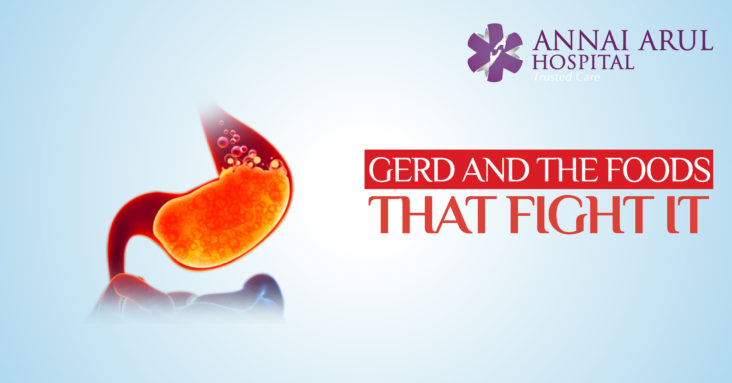
GERD AND THE FOODS THAT FIGHT IT

Our stomachs produce acids and when the stomach acids flow the wrong way, that is back into the oesophagus it is called acid reflux. Most of us occasionally get acid reflux but it goes away without any harm but if it happens often and doesn’t get better, it’s called gastro-esophageal reflux disease (GERD). The symptoms for GERD include chest pain, cough, trouble swallowing, especially while lying down. There is also an influx of food particles and sour liquid into our mouth.

ROLE OF FOOD HABITS

What you eat daily can have a big effect on GERD. Foods like chocolate, onions, acidic foods and red meat are prone to induce GERD. Other food may help or at least not make it worse.

CHICKEN BREASTS

Foods like chicken breast help in warding off GERD. Lean and packed with protein, chicken breasts are pretty easy to digest. Remember to take off the skin and bake or sauté the chicken to eat.

WONDER WATER

Water is the best beverage ever if you are suffering from acid reflux. Avoid using sugary drinks, alcohol and acidic juices which can irritate the system and cause problem. Carbonated drinks add to the gas and make one burp, this makes things still worse.

 GOODNESS OF GINGER

Ginger helps in calming an upset stomach. Ginger tea since it has no caffeine can bring some solace. You can also chew on some dried ginger and better if it doesn’t have lots of sugar.

WATERMELON

It is a low-acid fruit that will not trigger any symptoms. Nothing can beat a wedge of ripe watermelon on a hot summer day; it cools the body, the stomach and brings down the possibility of a acid reflux.

BROWN RICE

Brown rice is a complex carbohydrate, which means it will take longer to digest than simple carbs like white rice, pastries or sugar drinks. It is therefore better for reflux problems and the extra fibre in it helps better digestion when compared to regular rice.

OATMEAL

Research suggest that foods high in fibre particularly soluble fibre can help reduce GERD. Soluble fibre in oats reduce the symptoms and can be included in daily diet.

POTATOES

Like carrots, turnips etc. potatoes are also root vegetables that are good. They are full of healthy complex carbohydrates and digestibile fibre. Take care not to cook them with onions, garlic etc. since the acidity in these vegetables will cause irritation and acid reflux.

OLIVE OIL

Our body needs the right fats to work, but fatty foods can all make GERD worse. In the place of fatty foods a person can try olive oil to see what the result is.  A light touch of olive oil is enough as it contains loads of fat and calories.

THE GREENS

Reflux causes onset of gas in the stomach, so try to skip foods that makes it worse like beans, and dried fruits. Instead switch to greens like lettuce or celery which are low in calories and easy on the stomach, they will not cause more gas.

PROBIOTICS

A comprehensive GERD treatment plan must consider additional factors beyond basic dietary changes. For many people with digestive issues restoring balance to the bacterial flora in the intestines may benefit. Probiotics may reduce digestive issues by balancing the digestive system as a whole.
Read More

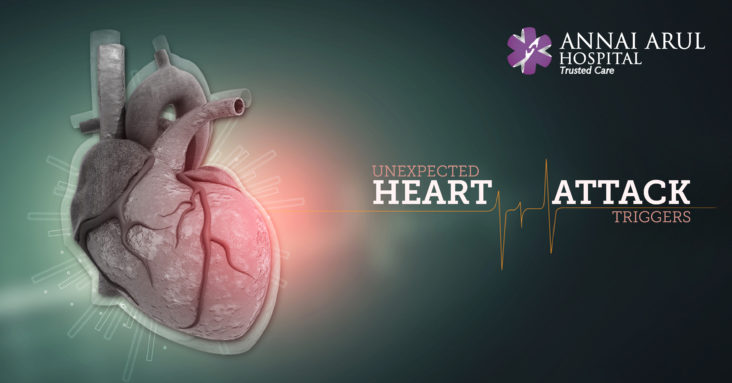
UNEXPECTED HEART ATTACK TRIGGERS

There are many things that we do without realizing that any of them can lead to or trigger a sudden heart attack. Here are a few of the triggers that are to be watched for.

Lack of sleep

Lack of sleep will make you grumpy and tired on a regular basis but it can also raise the risk of a heart attack. In a study researchers found that people who usually slept fewer than 6 hours a night were twice as likely to get a heart attack as those who slept 6 to 8 hours. The reason is not clear but losing sleep can raise the blood pressure and lead to inflammation, neither of which is good for the heart.

Migraine headaches

People who have migraine headaches are observed to have a heart attack later in their life than those who have no headaches. Headaches that include auras, strange sights, sounds or feelings before the actual pain starts seem to be at more risk.

Cold weather

Severe chillness can shock the system. When you step out in cold winter months it can cause the arteries to narrow, making it harder for blood to reach the heart. Above this the heart has to work harder to keep the body warm. All these together along with any hard work you do could exert more strain on the heart and trigger a heart attack.

Air pollution

Heart attack is seen to occur when air pollution levels are well above normal. When breathe polluted air on a regular basis the arteries get clogged and this will lead to disruption of blood supply to the heart. Sitting in traffic is dangerous, since it not only subjects you to breathing in vehicle exhaust fumes but creates stress, both of which are harmful to the heart.

A heavy meal

It is better to think twice before a second or third helping, it can hurt more than a broader waistline.  When you consume large amounts of food in one sitting, it leads to higher levels of stress hormones norepinephrine in the body. This raises the blood pressure and heart rate and ofcourse trigger heart attacks. Very fatty meals can cause a jump in fats in the blood and lead to damage of blood vessels which is also dangerous to the heart.

Very strong emotions

Strong emotions are a human nature but when they get out of bounds they can be harmful. Anger, grief and stress are known triggers of heart problems but even too much of joyfulness and sudden spurts of happiness can lead to a heart attack as well.

A surprise birthday party, a lottery, a birth of a grandchild are some occasions that can lead to excess of joy and trigger heart attack.

Vigorous exercise

The efforts you take to get into shape is supposed to protect your heart in the long run. Sometimes doing too much of exercise could be also be dangerous to health. About 6% of heart attacks are triggered by extreme physical exertion. So exercise should be in moderation and not done when you are stressed or angry.

Apart from these asthma, flu, natural disasters, sex, sports, alcohol and coffee drinking in excess can trigger heart attack.

Read More

CME on Fluid Therapy

On 10th Jan 2019 Annai Arul Hospital conducted a CME on Fluid Therapy . Dr. Mohammed Ishaq MD., FNB from Lyell McEwin Hospital, Adelaide (Australia) presented the topic of “Physiology and rationale of fluid loading in ICU setting” followed by a healthy discussion about the fluid therapy. Dr. Venkatesh MD.,DNB, Consultant Nephrologist at Annai Arul Hopsital presented about the “Therapeutic Considerations in Volume management in chronic sub normal GFR states” .Practitioners and consultants participated in the programme.

Read More

WHAT WOMEN SHOULD KNOW ABOUT THEIR HEART

Heart disease is the most common health challenge for both men and women. Even then it does not affect them the same way. Some heart conditions are seen to occur more in men than women and if it is the same problem then the symptoms may be different. For women, it is always important to know what to watch for and how to protect yourself as you get old.

Warning Signs

We all know that whenever someone has chest pain then we presume it to be a heart attack. In real life, women may have less obvious symptoms are are as likely to get shortness of breath instead of marked chest pain. You may also feel pain in the jaws, back and upper belly. Women will usually feel nauseous, lightheaded and dizzy.

What’s SCAD?

Spontaneous Coronary Artery Dissection (SCAD) is when the heart’s blood vessel gets a tear. This can slow the blood flow or block it. Ultimately leading to severe chest pain and other symptoms that feel like heart attack. This is a serious condition that requires immediately medical care. Women are more prone to get SCAD, especially when they have recently given birth to a child.

Broken Heart

A broken heart syndrome is medically known as stress-induced cardiomyopathy, it can happen more to women than men. It is caused by a sudden release of stress hormones and occurs after a very emotional event like divorce or death in a family. The thing that happens is that a part of the heat gets bigger and stops pumping efficiently, this cause intense chest pain and immediately medical help is required.

Menopause

In menopause women experience multiple changes to their bodies, while it does not cause heart disease, the many changes can lead to one. The levels of estrogen go down rapidly and arteries can get stiffer. Whereas the blood pressure, belly fat and LDL rises. Being active is one way of countering the effects of menopause.

Inflammation

If a woman is suffering from problems like rheumatoid arthritis, lupus etc. they have a chance of getting heart disease. Even if you are young, don’t smoke, and exercise regularly you can get affected. Inflammation can be kept in check with medications.

Diabetes

Diabetes can double a woman’s probability of getting heart disease. High blood sugar slowly slows down the flow of oxygen in your blood and lead to plaque build-up in the arteries. Women with diabetes also tend to be overweight or obese which can aggravate the BP and cholesterol problem. With proper diet and exercise the problem can be managed.

Read More

Christmas celebration 2018

Annai Arul Hospital celebrated Christmas from 19th Dec to 22nd Dec 2018. A Week of celebration was started with the spot games for all the employees. Employees enjoyed the Christmas season with the fun activities where gifts were given to the prize winners ( employees and patient attenders ). It was a joyful season of celebration with carols and Santa Clause.

Read More