
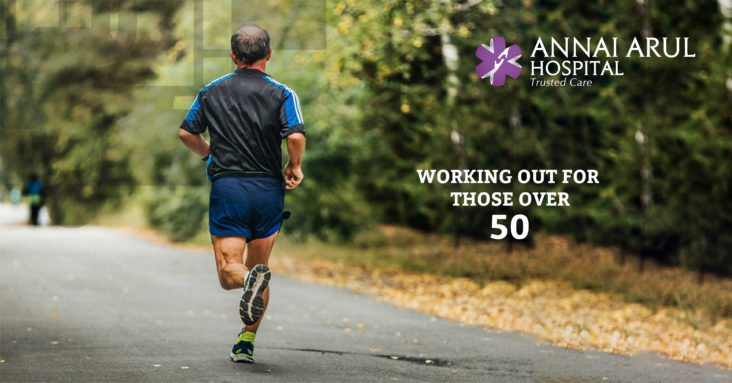
When you reach the ripe age of 50 or above the body is not the same as it was when you were 20. Even though you very much want to, you’ll not be able to do the same things that you did when young and nor should you attempt to. But there is a way out, it is exercise, which is the key to your independence and a good quality of life as you age. The only thing you should think about is being healthy with exercise without hurting yourself.
Benefits of exercise
Everyone tends to lose muscle mass as they get older; exercise is one way of helping the body rebuild it. Another thing is that muscles burn more calories than fat, even at rest; this can offset your slow metabolism. Heart disease is the biggest problem as you age, exercise helps stop, delay or sometimes improve serious illness like heart disease. Other diseases like high blood pressure, diabetes, stroke, Alzheimer’s, arthritis and osteoporosis can be controlled or even kept away with exercise.
Choice of exercises
Cardio exercise increases heart rate and makes you breathe harder; this builds your endurance and burns calories. Strength and weight training helps to maintain muscle strength, flexibility exercise ensures that your mobility is intact and you avoid sudden injuries. Equally important is balance training, so that you prevent falls and be on the move. Lower impact exercise with much less jumping and pounding will be right for your joints.
Advantage Walking
Walking is the simplest and most effective exercise for those past 50. It helps build your stamina, strengthens lower body muscles and helps keep away bone diseases like osteoporosis. Get it scheduled in your day and make it solo or better still social, thereby you’ll get exercise as well as chat with a friend or group.
Is Jogging OK?
Once you consult your doctor and get the go ahead then jogging can get you a bit more sweating. It ups your heart rate also. You should take it slow and steady, wear the right walking shoes and take small walking breaks in-between you’re jogging. Select soft surfaces like athletic tracks or grass, since hard surfaces will again affect your joints in the long run. Before you start jogging every day prepare yourself by doing the right kind of warm up for you calves and hips, by doing some stretching and strengthening exercise.
Other sports activities like golfing, cycling, swimming and tennis will have varied yet positive impact on your health, helping you regains strength and vitality. Yoga will help those above 50 to stretch, strengthen the muscles as well as improve breathing, lower blood pressure and relieve stress.
What’s best schedule
Those in good health can get at least 150 minutes of moderate cardio activity a week. Spread the schedule over 3 days or minimum 10 minute activity. Spend at least twice a week in working the muscles in your arms, legs, back, abs, chest and shoulders.

Walking is a god give gift to humans. Our bodies have evolved to undertake walking. We are all aware of the many pronged benefits of walking even though our knowledge would be mostly hearsay. Let us now examine how walking is beneficial for human health and wellness and what may be the specific benefits of making a habit of walking.
Distance and benefits
Walking on an average at least 5.5 miles per week at a slow pace of 2 miles per hour is enough to shower us with wellness and health. Such a walk lowers our risk of heart attacks, strokes and heart failure. Those who walk faster and further can reap even more benefits.
Walking and women
Women who walked for at least 30 minutes a day can cut their risk of a stroke by 20 – 40%. Just a little effort can do wonders to help our blood move through the body the way it should. Whatever sort of walk you undertake is good, but if you push yourself a bit and get your heart rate up, then it strengthens the heart and lowers the blood pressure.
Goal for health
It is said that walking 10,000 steps at a time means you have covered around 5 miles. This is a good goal for keeping you in fine health. Slowly you can work your way up. Better use a pedometer to count your steps, and step it up by at least 500 steps each week.
Brisk walking
Brisk walking is taken to be cardio exercise. The ideal count is 150 minutes of exercise that raises your heart rate every week. Walking definitely fits this target. Walking does not require any special equipment except a pair of good walking shoes. To get a cardio credit, you should do more than a stroll and pick up pace.
Walking vs. running
For many years experts believed that pushing yourself hard and your heart r ate was the best way to strengthen the heart. This is easily done with running, but it turns out that brisk walking is just is just as good when it comes to bringing down our risk of high blood pressure, high cholesterol and diabetes. All these help in keeping your heart healthy.
Losing weight
You should do a minimum of 300 minutes of brisk walking if you want to lose weight. Though it may sound like lot, it breaks down to less than 45 minutes of brisk walking each day.
If your schedule does not permit it then you can burn just as many calories with 20 minutes of high intensity exercise, 20 minutes of energetic running, followed by 1 minute of recovery walking.
This will improve the metabolism and help burn more fat.
Lowers risk of cancer
Walking lowers the risk of breast cancer in women because it lowers the estrogens levels in the blood stream and maintains optimal levels. Women and men who walk briskly or do other physical activities regularly are less likely to get colon cancer. Walking 30 minutes every day can keep cancer at bay.
Controls diabetes
Walking is really good for people with type 2 diabetes. An exercise like walking helps the hormone insulin get the sugar out of your bloodstream and into the cells where it is used to make energy. Walking thus lowers the risk of complication in diabetes, like nerve damage and kidney disease.
Walking is also good physical therapy, for improving arthritis and back pain condition. Walking is good for our bones since it is a weight bearing exercise.
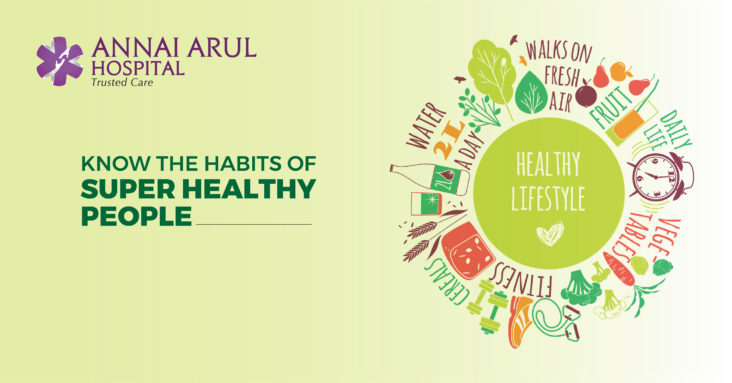
Admit it or not, we are all slaves to certain habits. Some of these habits make us into people with good behaviour, health and full of energy for life, whereas some bad habits bring the opposite results and we end up with lot of problems in life including bad health. Therefore, we should try to cultivate good healthy habits very early in life and stick to them. Here are few habits that can help a person turn into super healthy person.
Daily breakfast
The habit of taking regular, daily breakfast has many benefits. It launches your metabolism and prevents you from overeating later in the day. Adults who have daily breakfast perform better at work and children who eat a morning meal score well at school. If an elaborate breakfast is not for you at least start the day with some pieces of fruit or a granola bar.
Drink enough water
Drinking water and keeping you hydrated can do so many good things for you. It not only quenches your thirst but helps you lose weight too. Water helps to stay away from sugary drinks that are linked to obesity and type 2 diabetes. If not plain water adds flavour with slices of orange, lemon, lime or watermelon in your bottle of water.
Have exercise breaks
If you feel lethargic during the day or at work, just don’t reach out for another cup of coffee, instead get up and move your limbs. Do some easy lunges and stretches. It can refresh body and mind. A brisk walk in the park for 30 minutes can help keep the blues away. You can have this walks even in short bursts if you cannot have it at a stretch.
Cut back screen time
The present day life is filled with screen time of one nature or other. It may be your computer, lap-top, mobile or just the TV. It is better to set a time to log off from all the social media buzz. When you cut back screen time, you will get lot of time to pursue healthy habits like walking, playing, preparing dinner or dancing. Ultimately all these activities will move your body and help keep your healthy.
Quit Smoking
If you have an urge to light up, just decide to quit it. When you take one step forward your body will take twice as much and repair itself quickly. As you smoke your heart rate and blood pressure increases and you start feeling its effects. So, once you give up the habit your heart and pressure will return to normal, making you much healthier.
Have good sleep
A good night’s sleep keeps you in a better mood. Sleep also helps in sharpening memory, giving focus and helps you learn new things. It lowers the risk of heart disease and helps maintain body weight. Cultivate a habit of a sleeping schedule and go to sleep and wake up at the same time every day.
Get mindful
Getting mindful is easy with meditation or to enjoy the smell of blooming flowers around you. It is this mindfulness that will help you reduce stress, relieve pain and improve your mood. Every washing dish can be good for the brain as long as you do it mindfully.
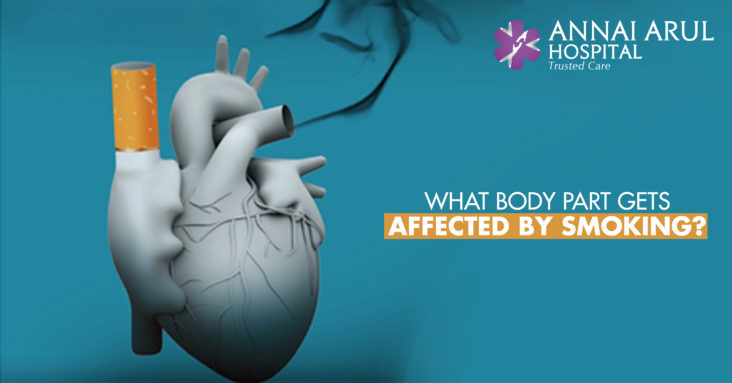
We are all aware of the dangers of smoking. It is known that smoking causes many health problems not only to the person who smokes but to others who are passive smokers. Smoking affects most of the body parts and internal organs causing major health issues to the smoker.
The Joints
The smoker overtime will experience pain and inflammation of the joints in the limbs. Smokers usually suffer from rheumatoid arthritis (RA) and like for any other health problem medications don’t work effectively for people who smoke.
The Skin
Smoking affects human skin in multiple ways. Sooner than later a smoker will be faced with wrinkles and a speeding up of the aging process for the skin. The damage once done is not reversible and of course smoking can make much skin disease worsen, including skin cancer.
The Eyes
Smoking speeds up macular degeneration, which is a condition that destroys the central vision. The result is that a smoker finds it difficult to read, write and see other people’s faces properly. Smokers are also at high risk of developing early cataract and blurry vision.
The Gums
A habit of continuous smoking causes heavy damage to gums and teeth. They result in tender, bleeding gums which are painful during chewing. This also leads to bad breath and other gum diseases that cause a smoker to lose teeth.
The Brain
If you are a smoker then you increase the risk of getting a stroke by over 3 times. A stroke is caused by a blood clot in the brain which can result in facial paralysis, blurred vision, trouble walking and even death. Smoking actually raises your blood pressure and cause hypertension. The blood vessel in the brain swells due to blood pressure and it can burst or spill blood to the nearby tissues causing what is called as cerebral aneurysm.
The Digestive System
Expect peptic ulcers, Crohn’s disease, and inflammation of pancreas, colon polyps and even cancer. The risk for all these diseases is very real for a smoker. A smoker also gets type 2 diabetes more easily, which can later affect the liver and pancreas.
The Lungs
Lungs in a human body are the most vulnerable of organs when a person is in the habit of smoking. Lung cancer is linked to smoking and so also cancers of the mouth, kidney, liver, bladder, stomach, colon and rectum. Smoking is a major cause of pulmonary diseases, which can affect the air sacs in the lungs and cause difficulty in breathing.
The Heart
Smoking is a major cause for many types of heart diseases. Smoking actually hardens and narrows the arteries and also causes the blood to thicken. All these can produce small and larger clots that hinder blood flow from the heart leading to a heart attack.